
Latest News
Marble Canyon Photos: Sparky the Wrangler 4XE in Arizona’s Cliff Dweller Country
If you came here for Marble Canyon photos, you’re in the right place. These images show off Sparky, our most recent shop build: a Jeep Wrangler Rubicon 4XE photographed just outside Marble Canyon, Arizona, where the landscape is so outrageously good it’s hard to drive past this spot and not stop for some photos. Along the way, we’re digging into what makes this build special, why it performs so well on the highway, how our build partners helped bring it together, and what makes the Marble Canyon area worth far more than a quick pull-off and a camera roll full of red rock.
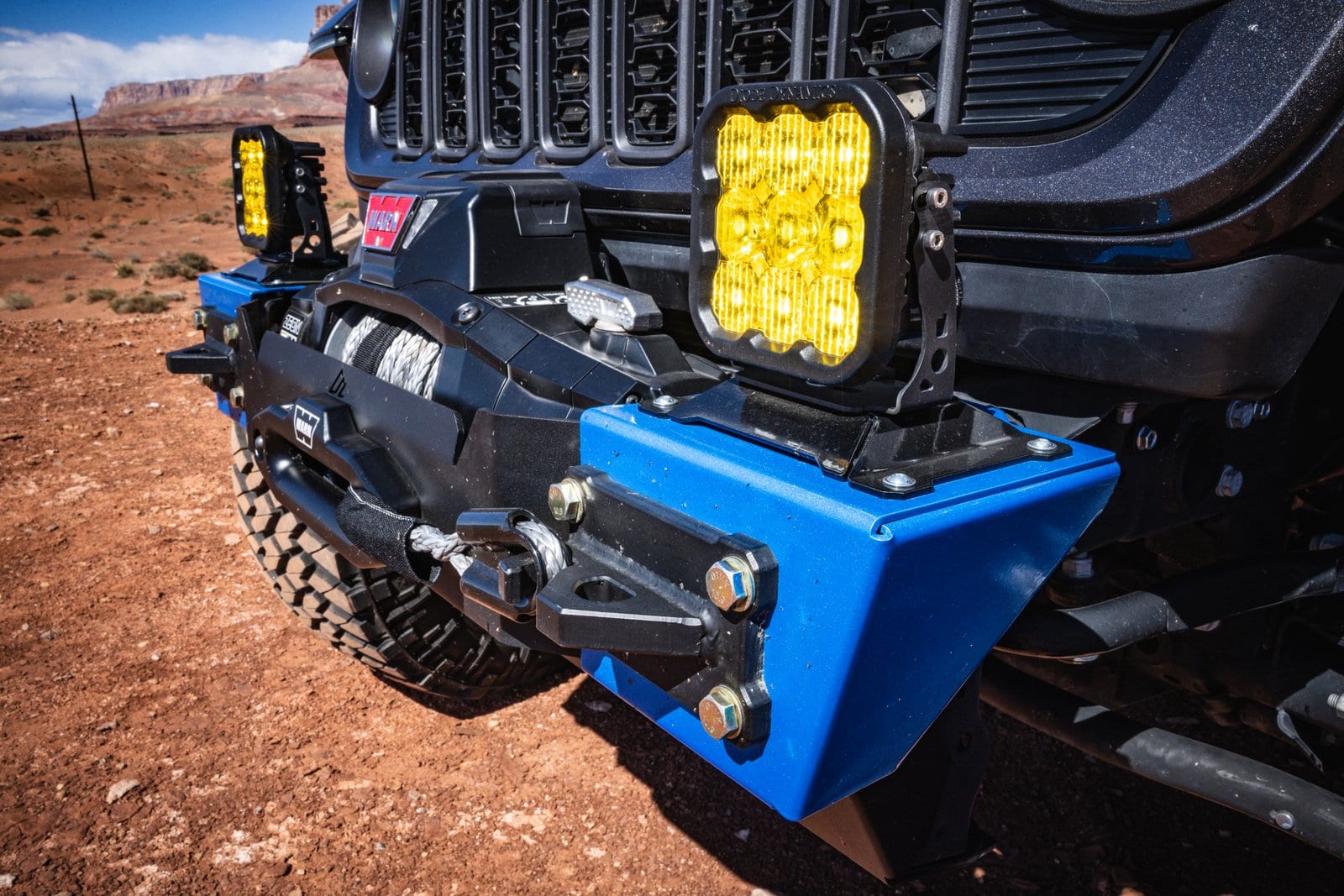
See the Full Sparky Wrangler 4XE Build
Every component, every decision, and the full breakdown behind one of the best riding and most dialed 4XE builds we’ve ever put together.
Explore the Full Build →
Why Marble Canyon, Arizona Is the Perfect Backdrop for a Wrangler 4XE Build
Marble Canyon sits in one of those stretches of northern Arizona that makes even seasoned road-trippers act like first-timers. The area marks the beginning of the Grand Canyon at the upstream end, and it’s framed by towering walls, open desert, the Colorado River corridor, and that unmistakable high-desert light that somehow makes steel, rubber, and sandstone all look better at once.
For trip planning and official area information, the National Park Service’s Glen Canyon National Recreation Area page is the best starting point. Marble Canyon also puts you close to Lees Ferry, one of the most historically important access points on the Colorado River, and near the dramatic escarpments of Vermilion Cliffs National Monument, managed by the Bureau of Land Management.
That combination is what makes this location so good for a shoot like this. You get the wide-open approach roads, layered geology, and huge views that make a properly built Jeep feel right at home. Sparky doesn’t look posed out here. It looks like it belongs.
Marble Canyon Has Real History, Not Just Good Lighting
The name “Marble Canyon” goes back to the 19th century, when explorer John Wesley Powell used it during his expedition through the Colorado River system, even though the canyon walls are better known for limestone and other sedimentary layers than actual marble. The area later became tied to river crossings, frontier travel, and the long story of moving people and supplies through a region that is still more rugged than polite.
Lees Ferry is a big part of that story. Long before modern overland rigs and roadside photo sessions, it became the most practical crossing point on the Colorado River for a huge stretch of northern Arizona. That history still gives the area a sense of movement and passage; even today, Marble Canyon feels like a threshold between places, not just a destination.
And if you’re interested in the human history beyond crossings and canyon walls, it’s worth knowing where the region’s famous cliff dwellers are actually located. They are not in Marble Canyon itself. The best-known preserved cliff dwellings in this part of northern Arizona are farther east at Navajo National Monument, where Betatakin, Keet Seel, and Inscription House preserve the story of Ancestral Puebloan communities. That broader context matters: this landscape has been traveled, used, adapted to, and respected for centuries before any of us pointed a Wrangler toward a scenic turnout.
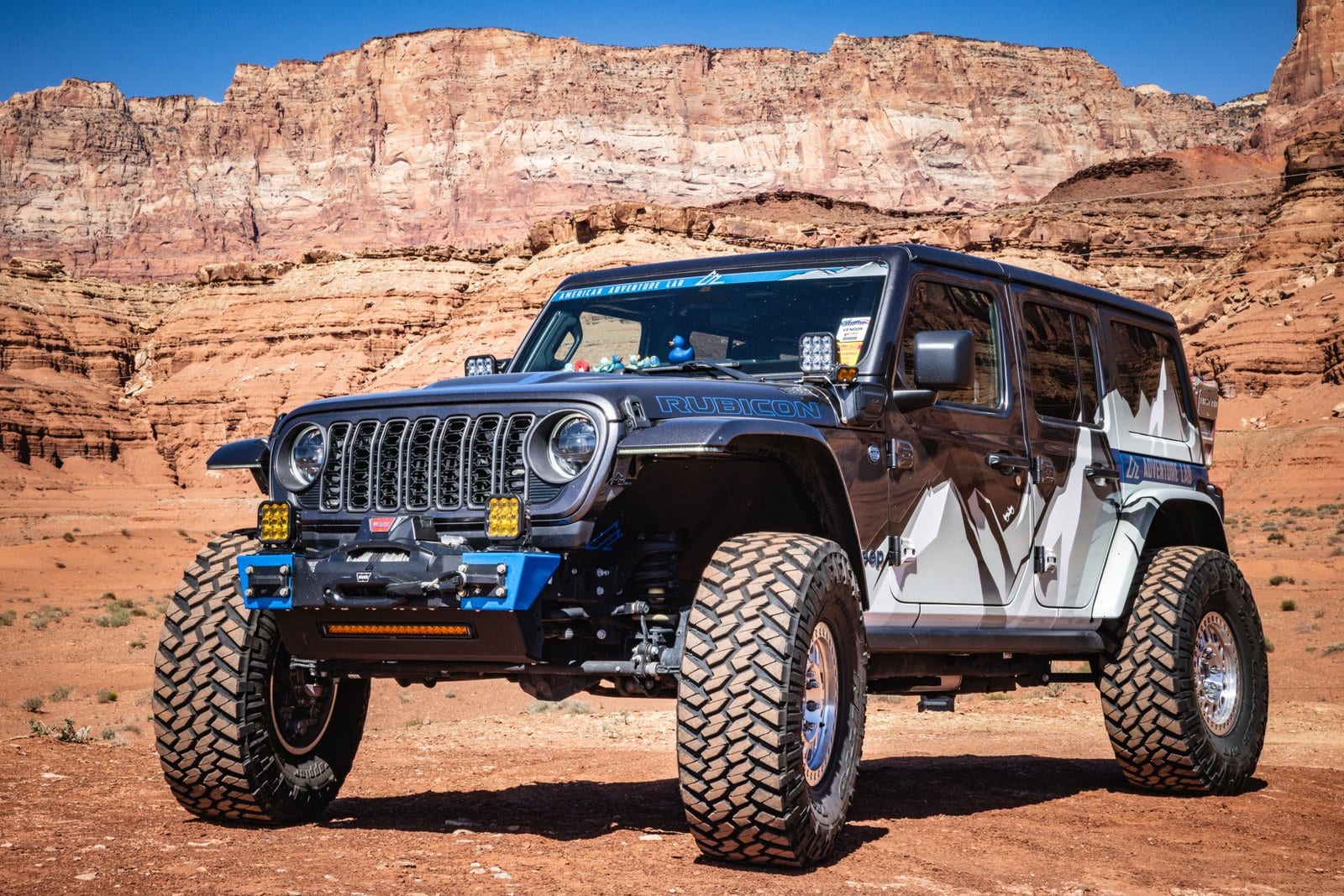
Sparky: A Wrangler Rubicon 4XE Build With Real Trail Presence and Real Highway Manners
There are Jeep builds that look tough in a parking lot, and there are Jeep builds that feel genuinely sorted when the road gets long, the gear gets heavy, and the terrain stops cooperating. Sparky lands firmly in the second category. This build was never about adding parts for the sake of catalog flex. It was about engineering a Wrangler Rubicon 4XE that could travel well, work hard, and still stop traffic in a place like Marble Canyon.
We also need to give credit where it’s due. This build came together with help from standout partners including 74Weld, Raceline Wheels, Nitto Tires, Diode Dynamics, WARN, and REDARC. That matters, because the difference between a good build and a great one usually comes down to how well the pieces work together as a system.
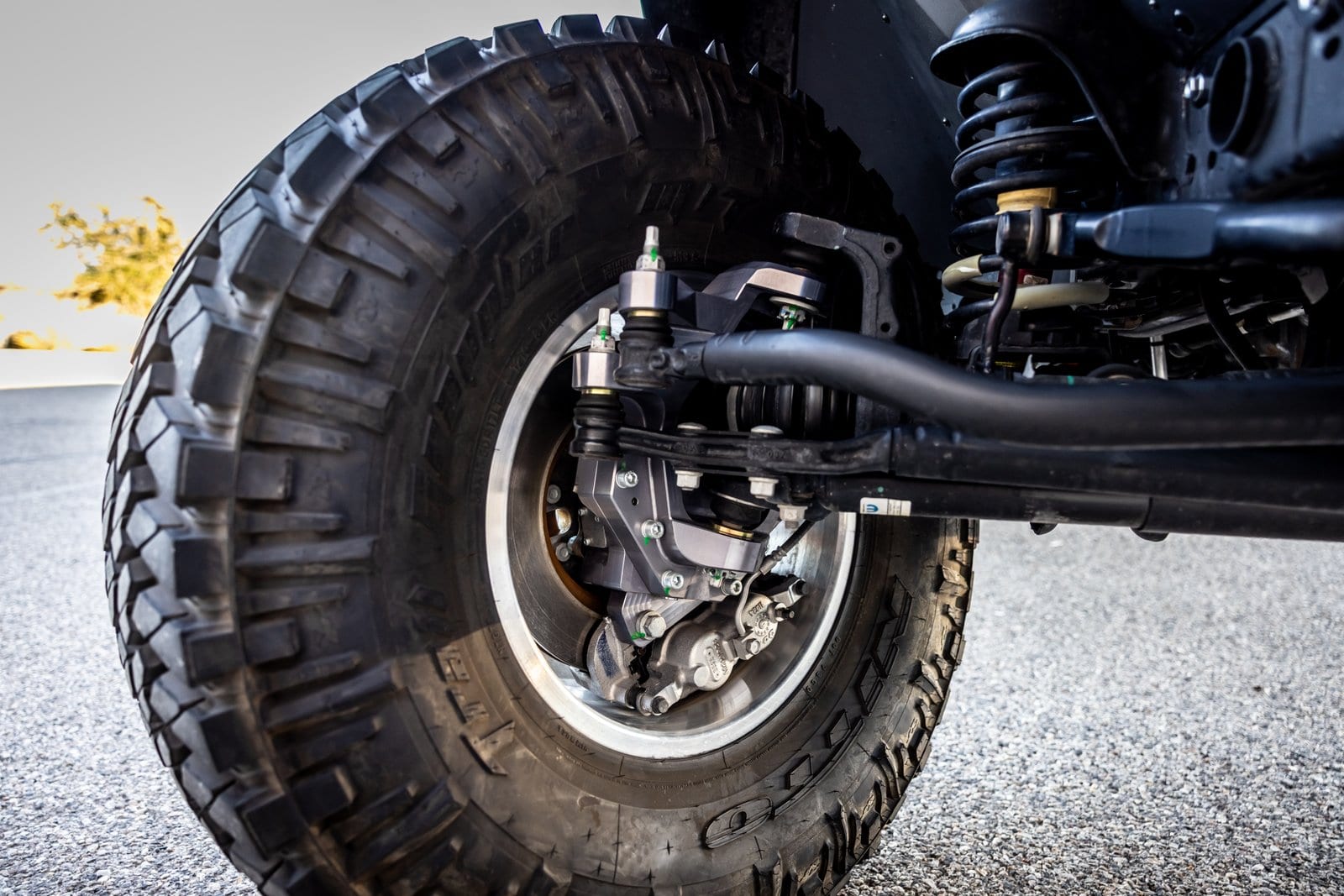
Diode Dynamics helps handle lighting duties. WARN brings the recovery credibility every serious trail build should have. REDARC contributes to the electrical and power-management side of the equation that matters even more in a modern 4XE. But if there’s one change that defines how Sparky feels from behind the wheel, it’s the portal setup from 74Weld.
This is definitely the best riding Jeep we have ever built. That’s not marketing fluff. That’s specifically thanks to the portals allowing all the suspension components to stay at their OEM angles and locations. On a Wrangler, that matters more than people think. When the geometry stays where Jeep intended it to live, you get a more composed ride, better manners at speed, and a setup that feels remarkably civilized for something this capable.
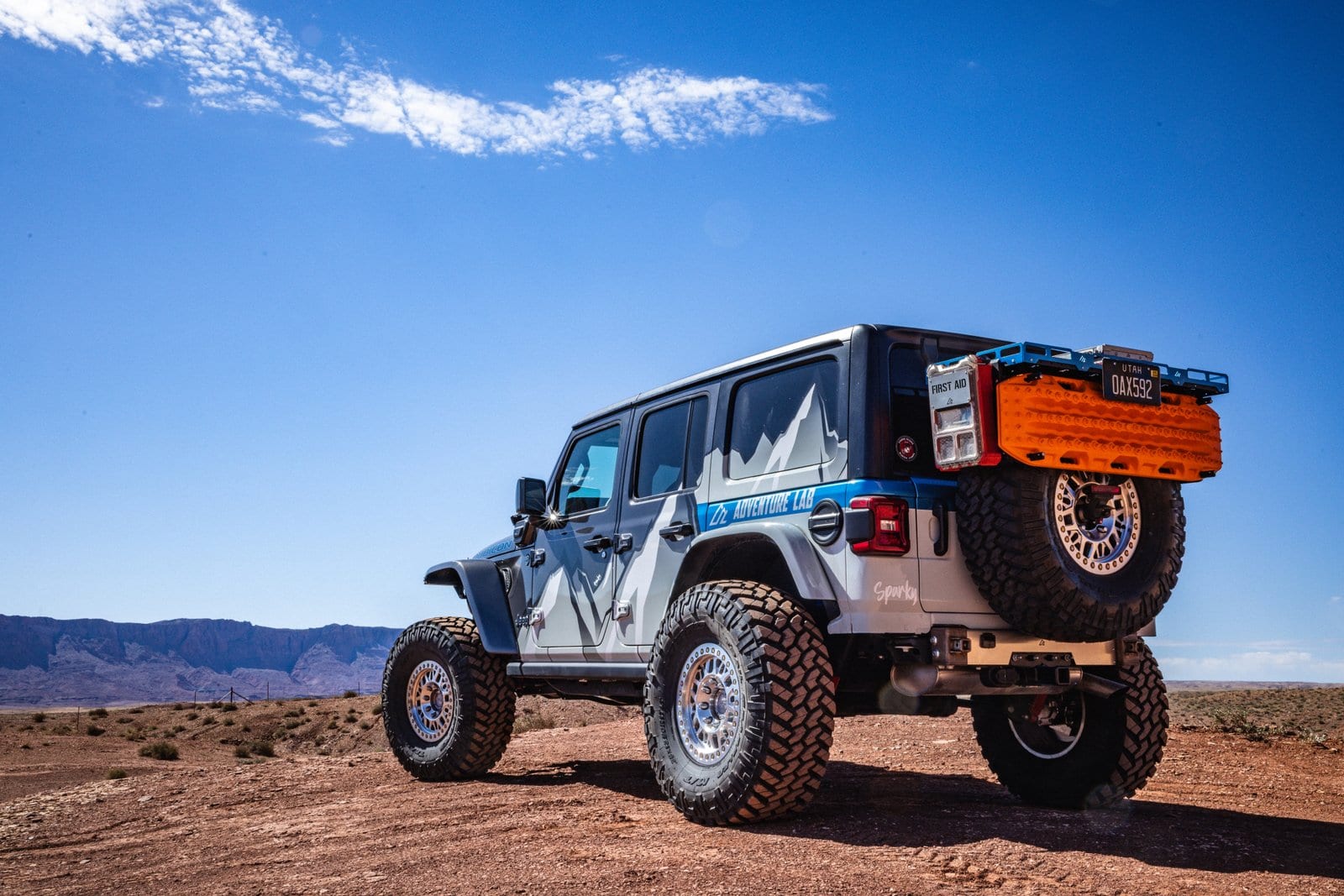
Why This Portal-Equipped Wrangler 4XE Performs So Well on the Highway
Portal-equipped Jeeps tend to grab attention for their stance and capability, but what impressed us most about Sparky is how well it behaves on pavement. Usually, once a build gets tall, heavy, and aggressive enough, there’s some compromise in ride quality or steering feel. This one dodges a lot of that drama.
The reason is simple, even if the engineering is not: portals create lift at the hub instead of forcing the entire suspension system into awkward geometry. That means the suspension components can remain at their OEM angles and locations, which pays off every mile you drive. On the highway, Sparky feels planted, composed, and far less busy than a Jeep of this stature has any right to feel.
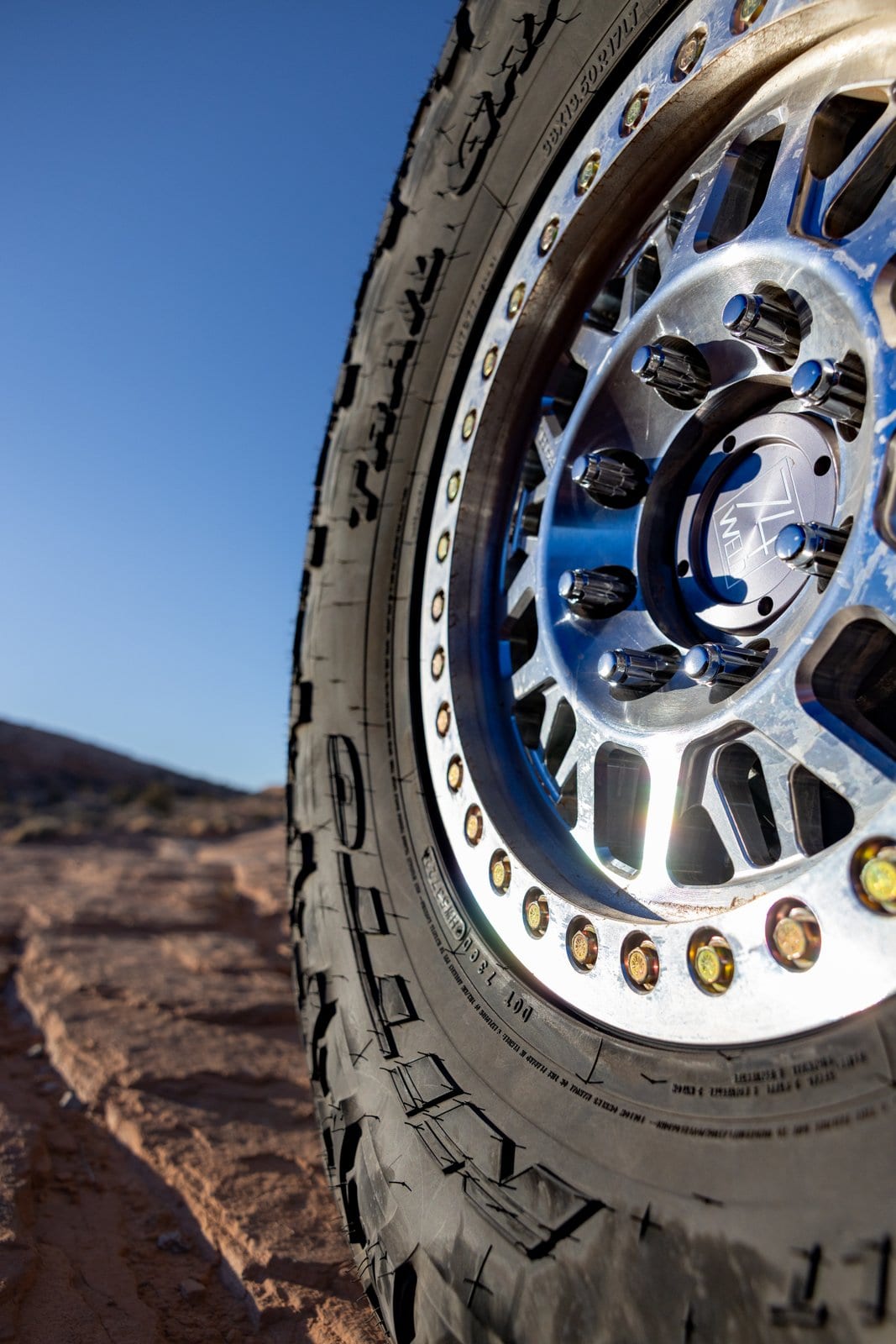
The extra width provided by the Portals is also exceptionally nice when combined with the large +44 Offset Raceline Forged Beadlocks. That wider stance adds confidence without making the Jeep feel clumsy. It looks right in photos, sure, but the real win is how stable and settled it feels when you’re covering distance to get to the good stuff.
Then there are the tires. Combined with 38-inch Nitto Trail Grapplers, this has to be the most perfect wheel and tire combination available for Portal-equipped Wranglers. The proportions are dead-on, the footprint suits the build, and the finished package gives Sparky the kind of stance that makes people ask questions at fuel stops and then keep asking after they see it moving down the road.
That’s the thing about this build: it’s not just photogenic. It’s deeply usable. Marble Canyon gave us the backdrop, but the highway drive getting there is what confirmed this rig is more than a good-looking idea.
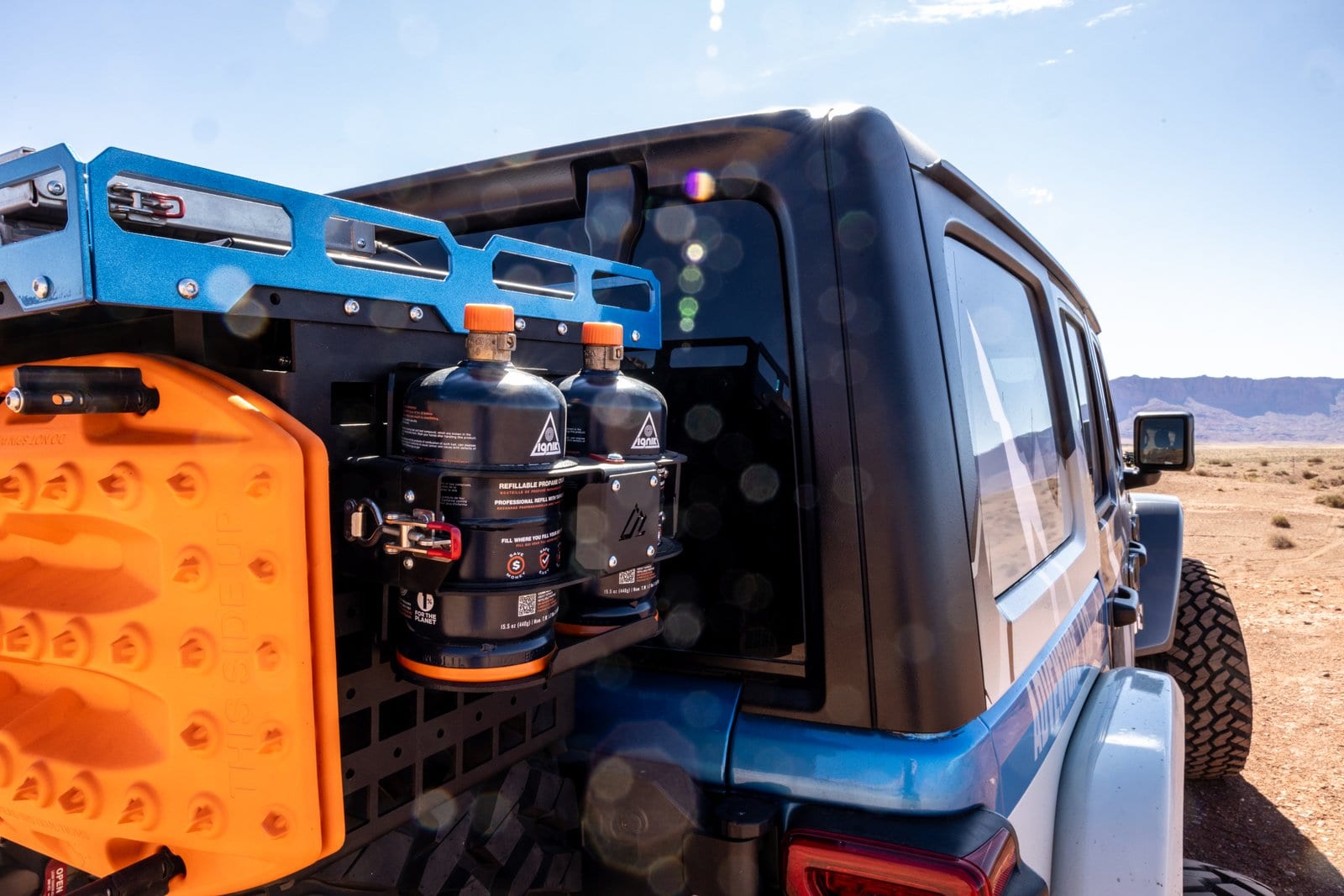
The Modular American Adventure Lab Gear Behind the Build Philosophy
Sparky also reflects the broader American Adventure Lab approach: vehicle-specific, modular, engineering-driven gear that solves real storage, access, and integration problems. For Jeep owners researching how to build a more capable, more organized 4XE or JLU, this ecosystem is worth a serious look because compatibility is the whole game.
Here are the core American Adventure Lab components and companion solutions that fit this build philosophy:
- M.A.S.S. Spare Tire Platform (STP) for adding modular utility at the rear of the Jeep.
- Jeep Wrangler JL/JT Modular Front Bumper Package for a vehicle-specific front-end foundation.
- Jeep Wrangler 4XE A-Pillar Light and Antenna Brackets to cleanly integrate lights and communications gear.
- Jeep JLU 4XE M.A.S.S. Plus Storage Platform for organized cargo management in the plug-in platform.
- Jeep Wrangler JL Tailgate Table – VersaTable for camp utility without wasting space.
- Jeep JLU M.A.S.S. Cargo Shelf – Adjustable Height to create layered, adaptable storage.
- Jeep JL – JT Overhead MOLLE Shelf for overhead organization that doesn’t feel like an afterthought.
- Jeep JL Dual ARB Compressor Mount for clean onboard air integration.
- Jeep JL-JK Flip’n Slide Drawer (6×4) for secure, accessible drawer storage.
- 6" M.A.S.S. Duo Drawer (6×3) for a more configurable drawer-based setup.
- Ultralight Flat Slide (6×3 pattern) when you need smooth access to heavier gear.
- Jeep JL-JT Front MOLLE Door Pockets to make dead space useful.
- Jeep JL-JT Rear MOLLE Door Pockets for the same modular advantage in the back.
What ties all of that together is the same thing that makes a build like Sparky work: not randomness, but ecosystem thinking. For the enthusiast who cares about R&D, fitment, and long-term usability, a modular system beats a pile of one-off solutions every time.
Planning Your Own Marble Canyon Photo Stop: What to Know About the Area
If these Marble Canyon photos have you thinking about heading north with a camera and a full tank, good instinct. This corner of Arizona rewards the slow roll. But it’s also the kind of place where doing five minutes of homework on official sites can make the difference between a smooth trip and a “well, that escalated quickly” travel story.
Start with the Glen Canyon National Recreation Area for current park information and regional context. If Lees Ferry is part of your route, the official Lees Ferry page is the right place to check before you go. For nearby public-land exploration and the broader red-rock setting that gives this area so much visual drama, the Bureau of Land Management’s Vermilion Cliffs National Monument page is a helpful resource.
If you want to add a deeper cultural stop to the trip, make time for Navajo National Monument. That’s where you’ll find the famous cliff-dweller sites associated with Betatakin, Keet Seel, and Inscription House. They’re farther east than Marble Canyon, but they belong in the same mental map of northern Arizona: epic landforms, long human history, and places that still feel meaningfully connected to the landscape around them.
In other words, don’t treat Marble Canyon like just another pretty roadside backdrop. It’s a corridor of geology, river history, Indigenous history, and western travel routes that gives every photo more story than it first appears to have. That’s part of why Sparky works so well here. The Jeep isn’t trying to overpower the scene. It’s participating in it.
Conclusion: Marble Canyon Photos Are Better When the Jeep Is Worth Photographing
Sparky, our Wrangler Rubicon 4XE, earned its place in these Marble Canyon photos. Between the 74Weld portal setup, the +44 Offset Raceline Forged Beadlocks, the 38-inch Nitto Trail Grapplers, and support from Diode Dynamics, WARN, and REDARC, this build delivers something rare: it looks wild, works hard, and still rides better on the highway than any Jeep we’ve ever built.
If you’re building your own adventure-ready Wrangler and want the same kind of vehicle-specific, modular thinking behind it, start exploring the American Adventure Lab gear linked above. Then point your rig toward Marble Canyon, keep one eye on the official land-management sites, and don’t be surprised if you “accidentally” stop for photos. Again.
