Adventure Trailer Kit – Buildout Your Way!
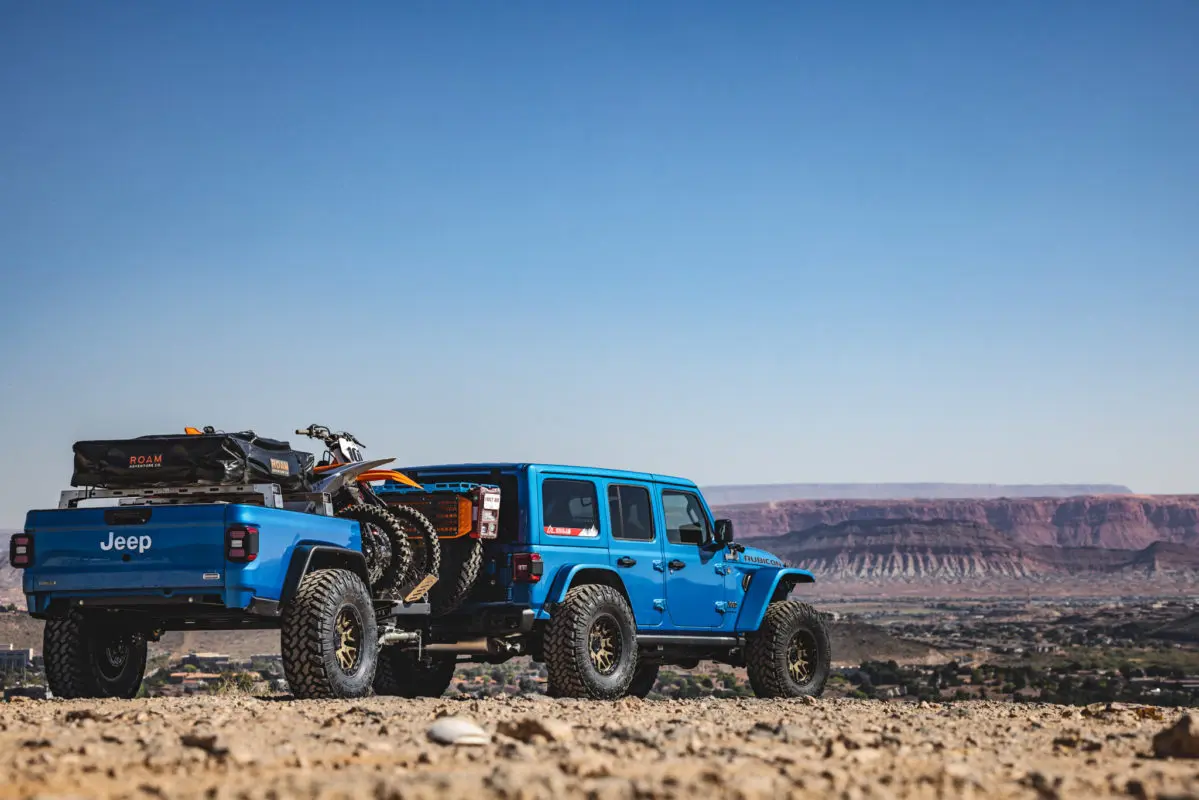
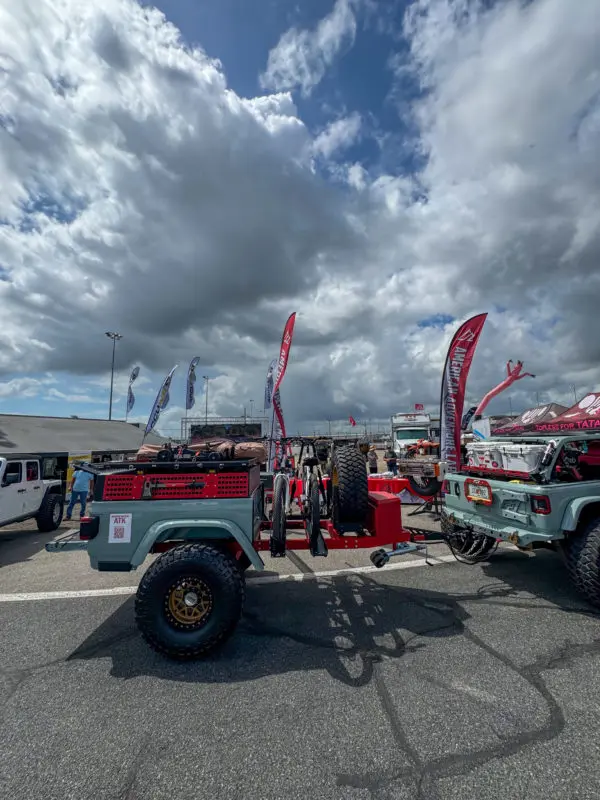
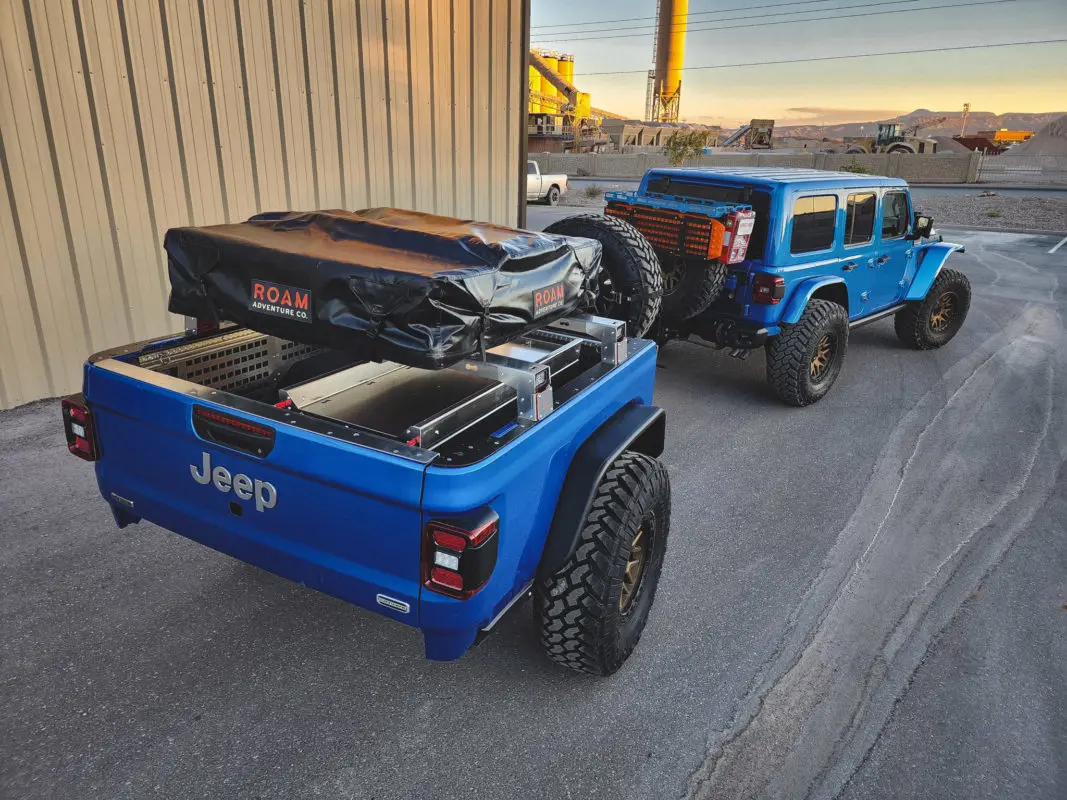
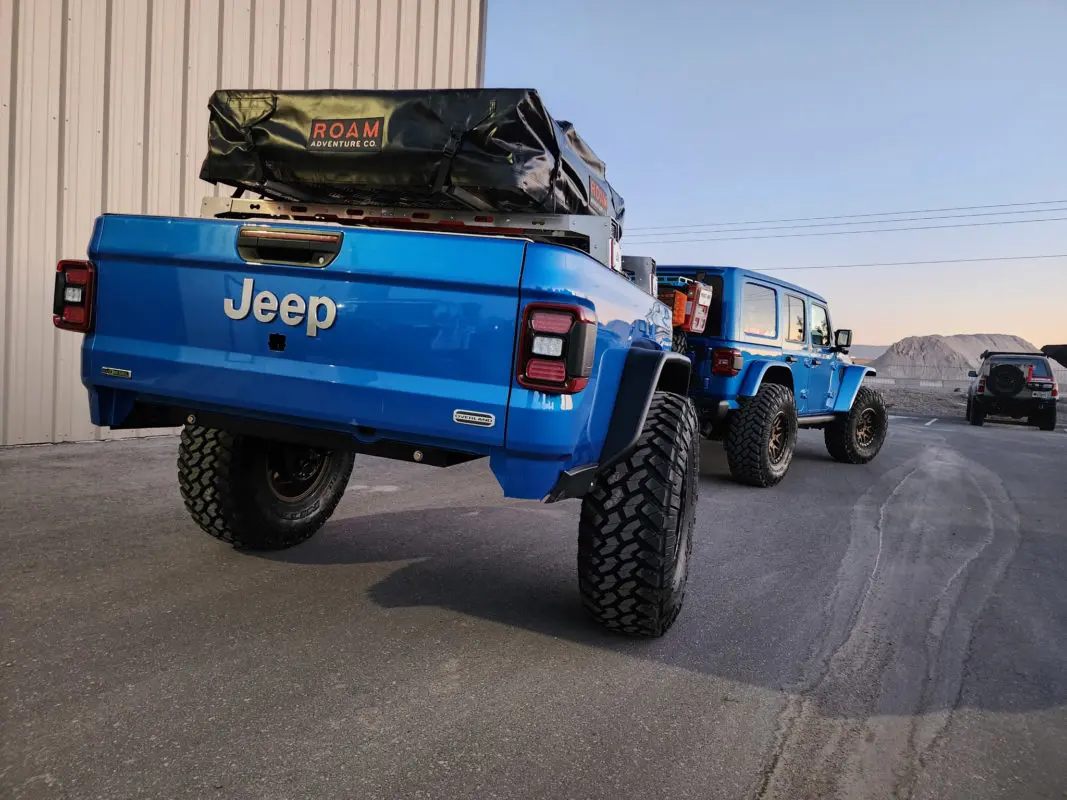
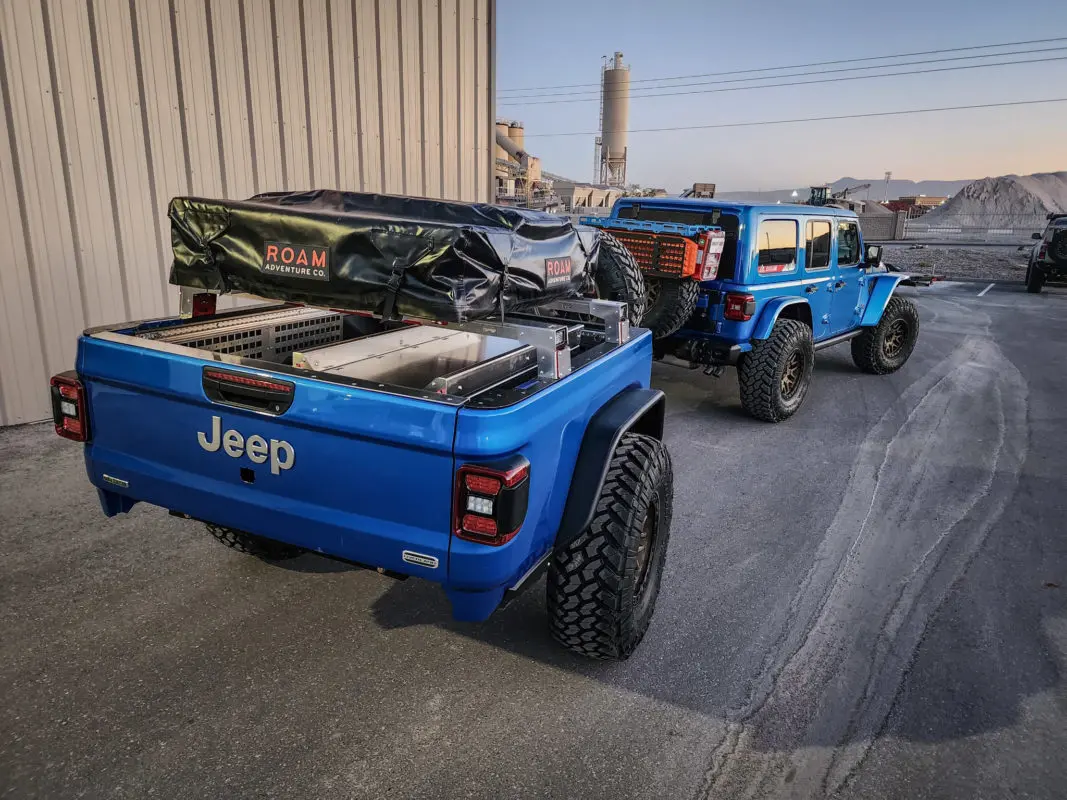
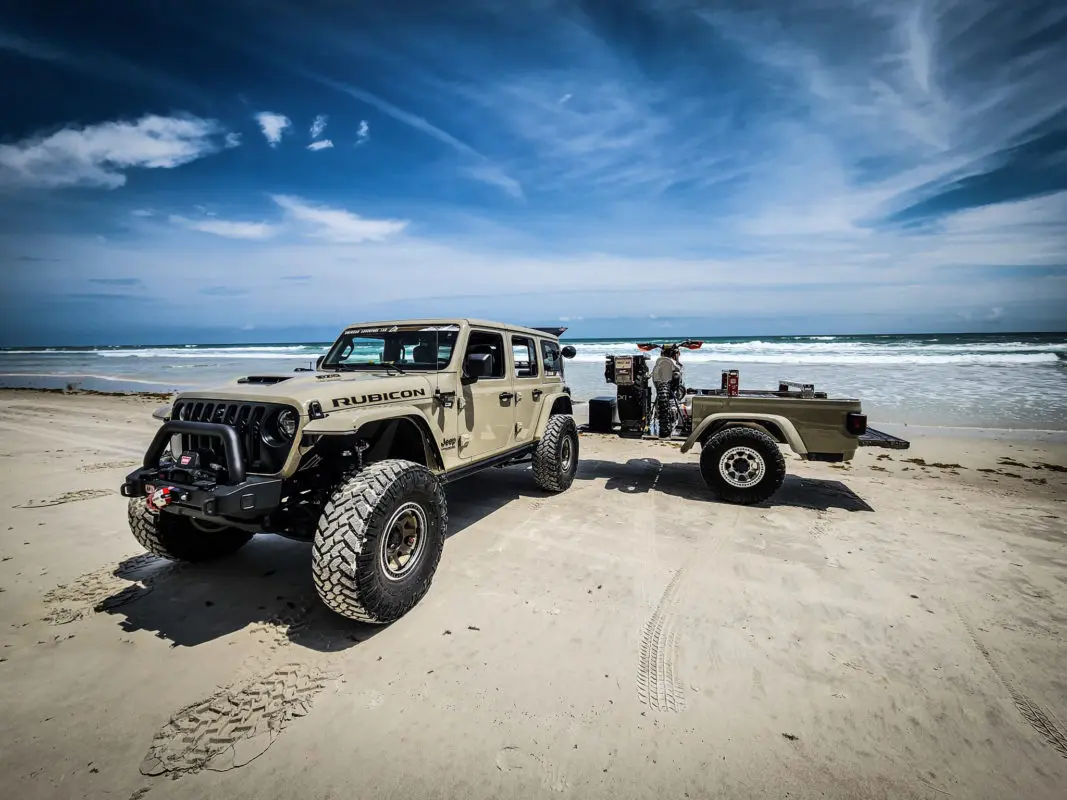
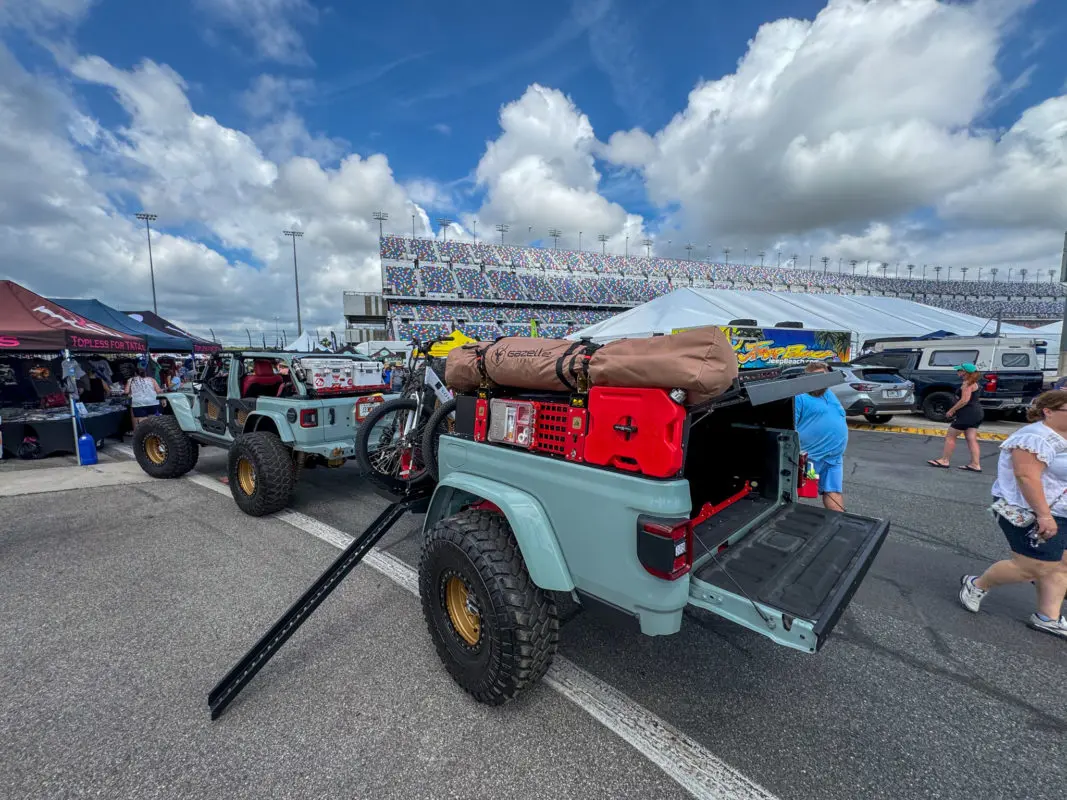
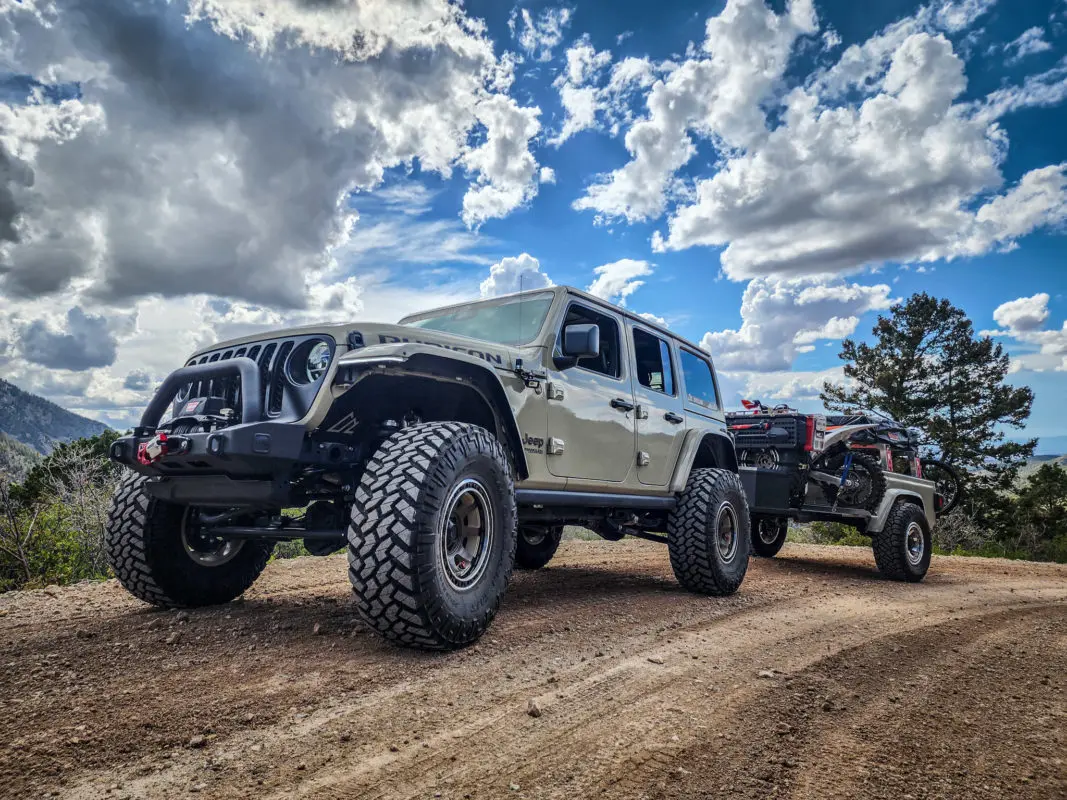
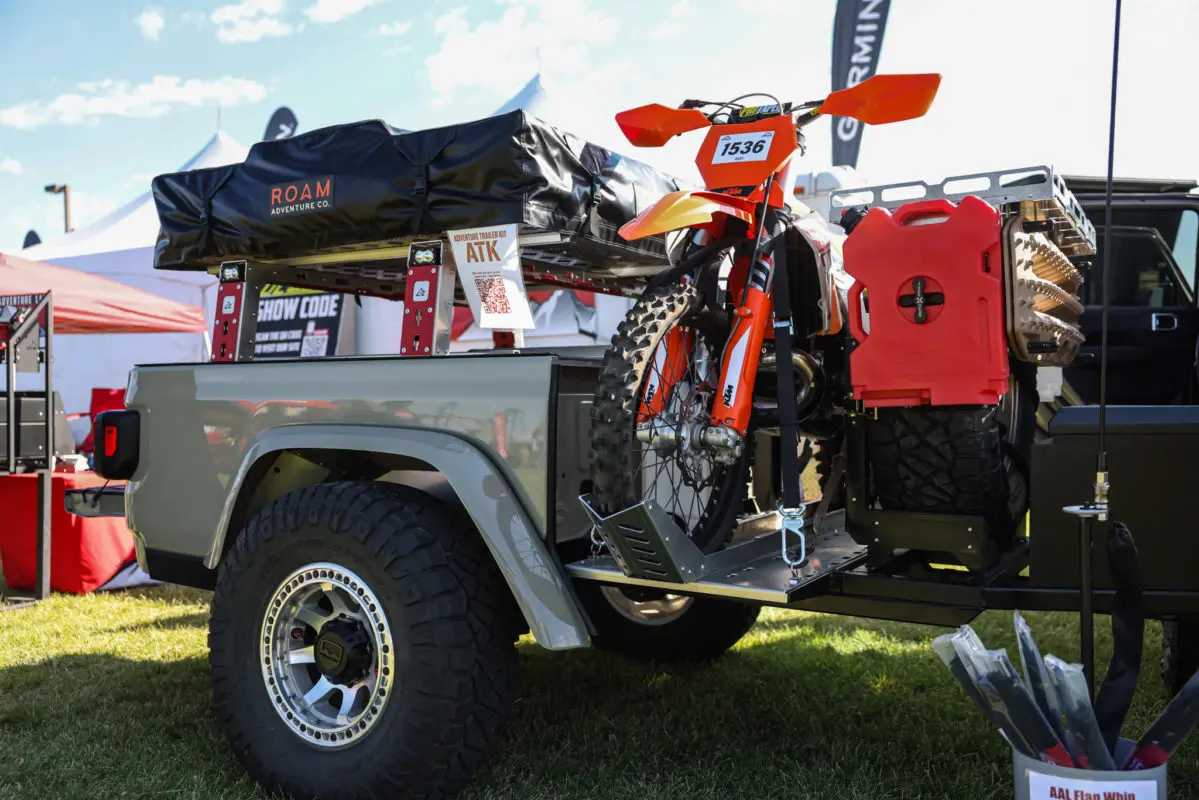
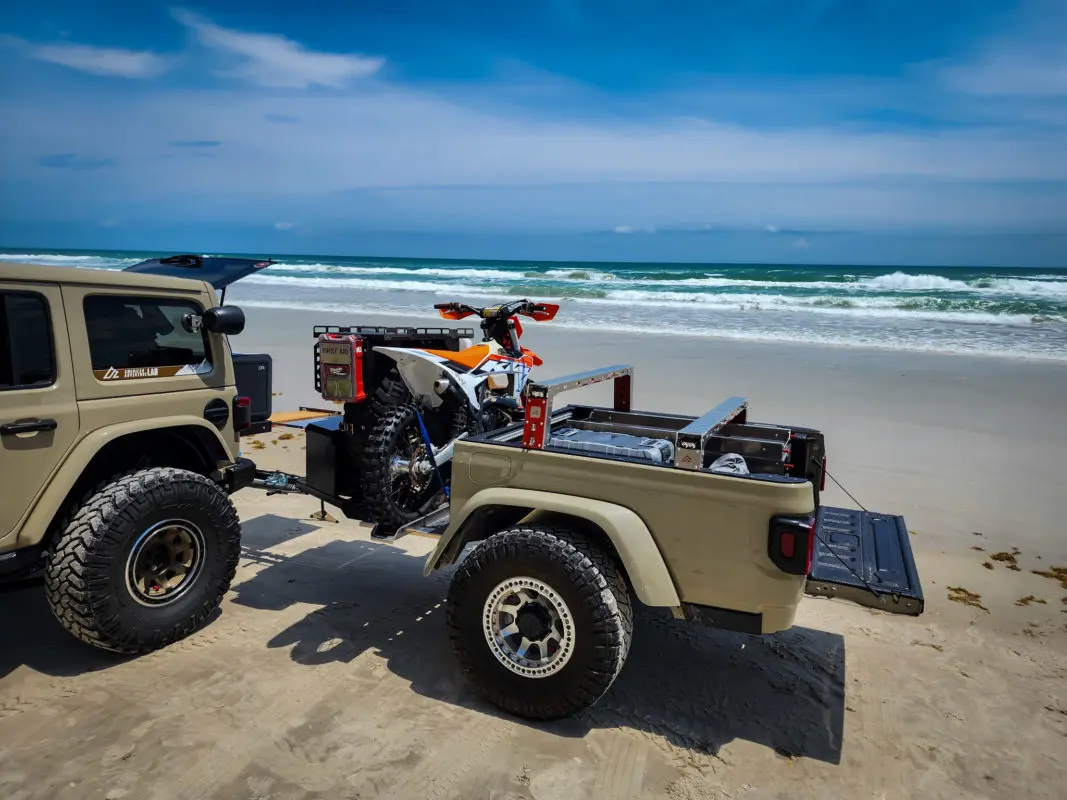
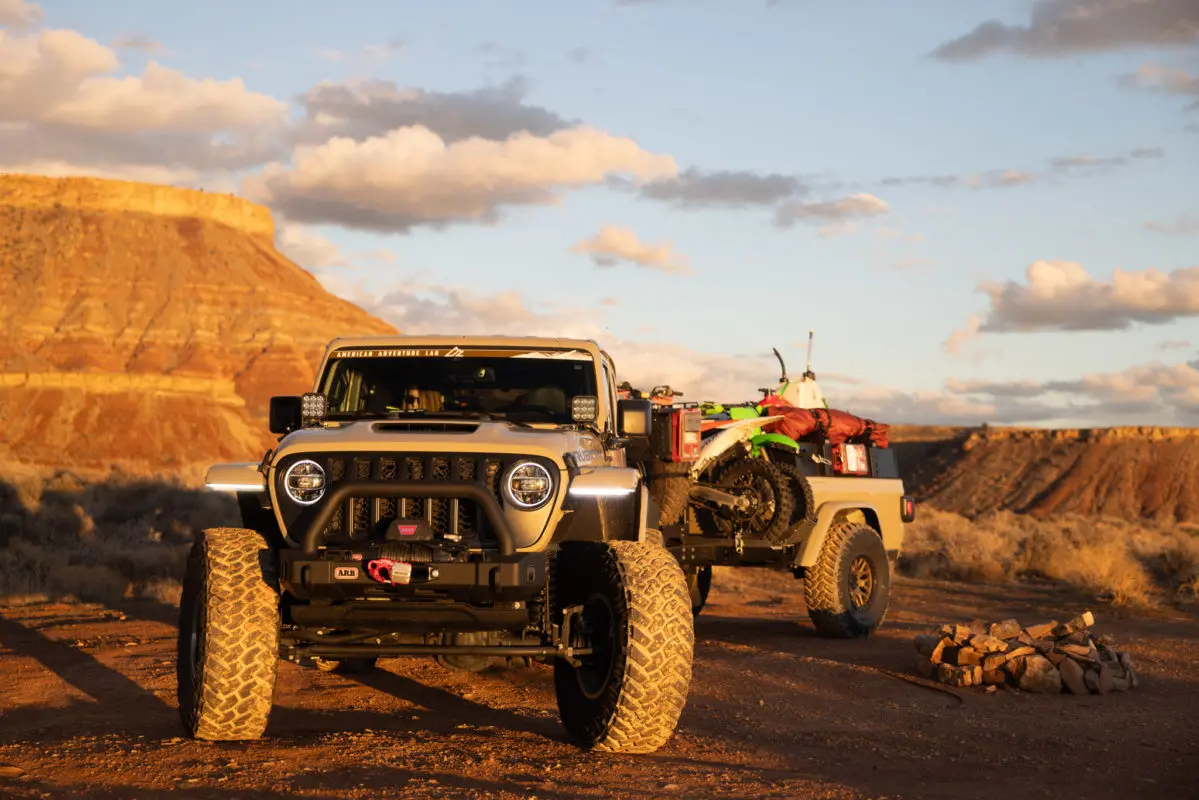
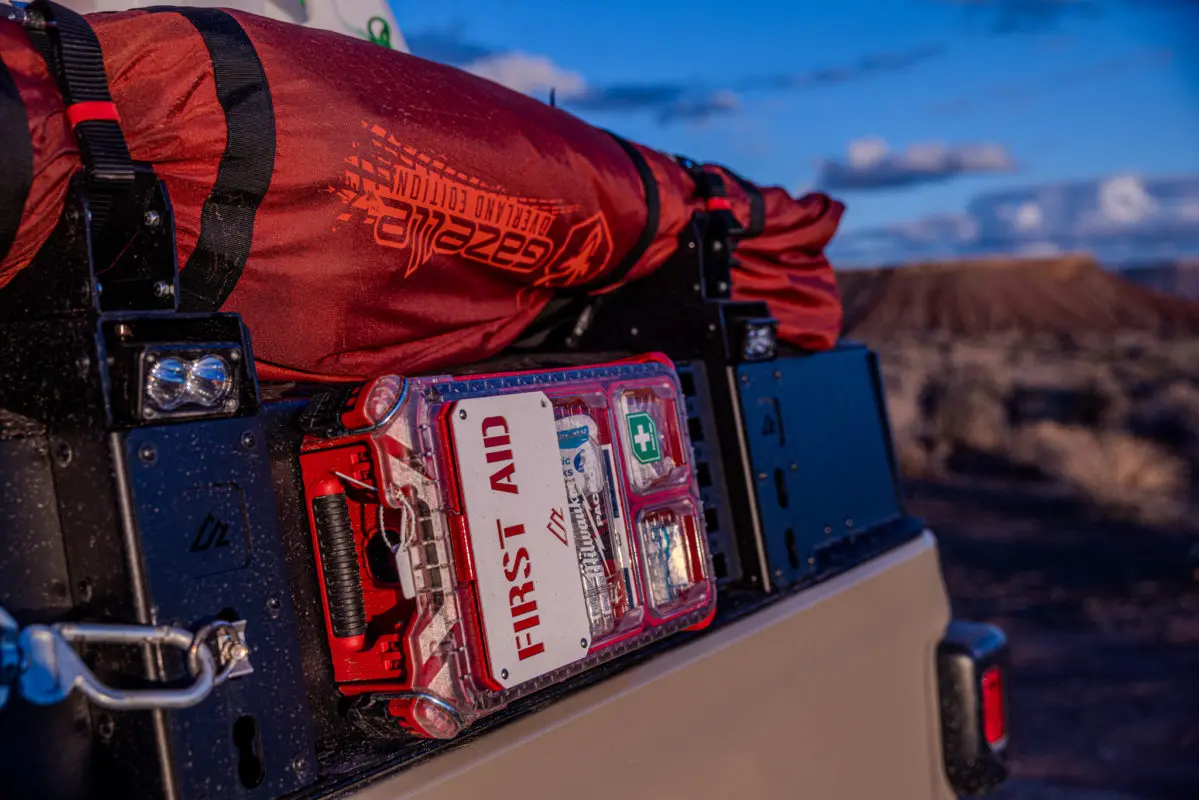
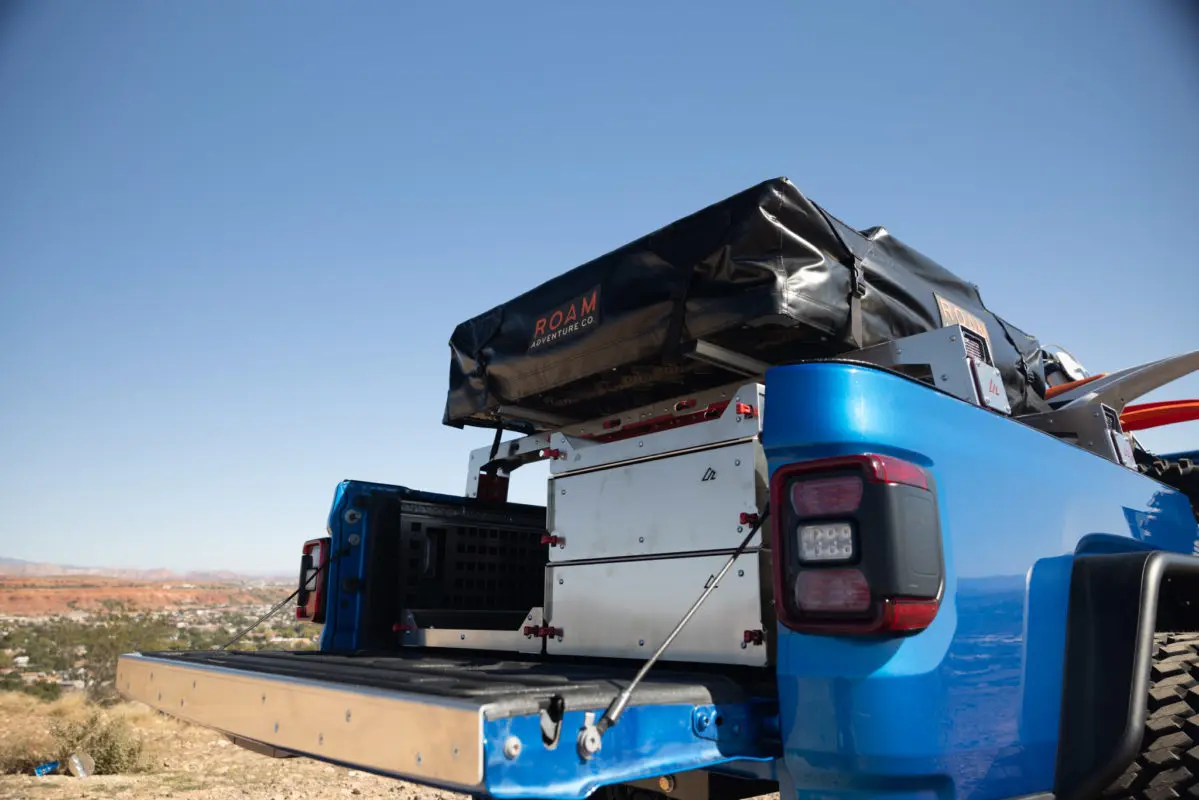
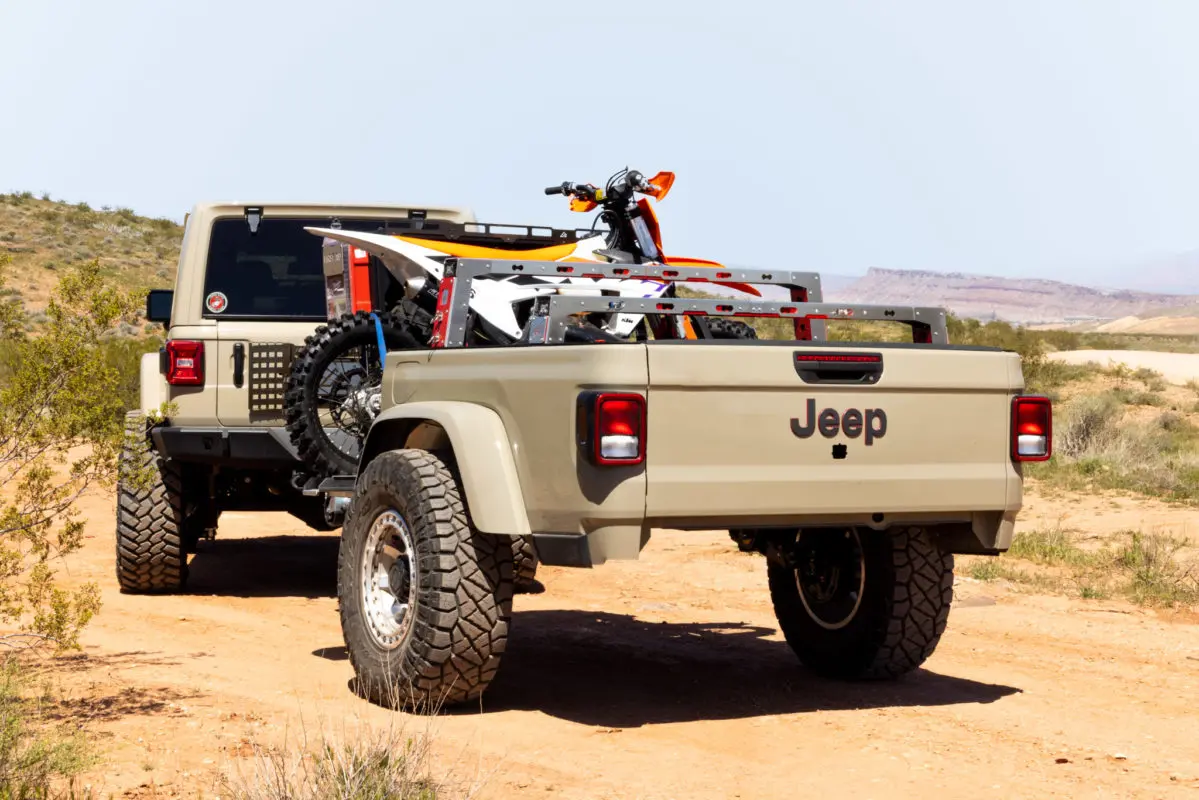
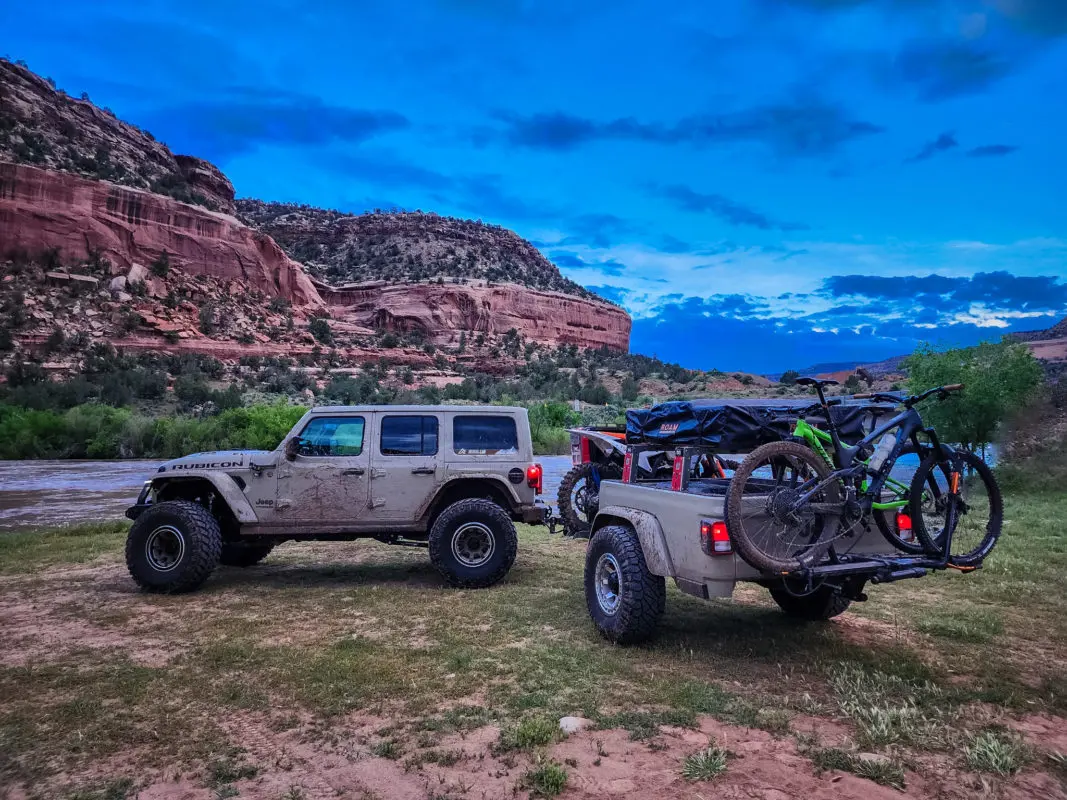
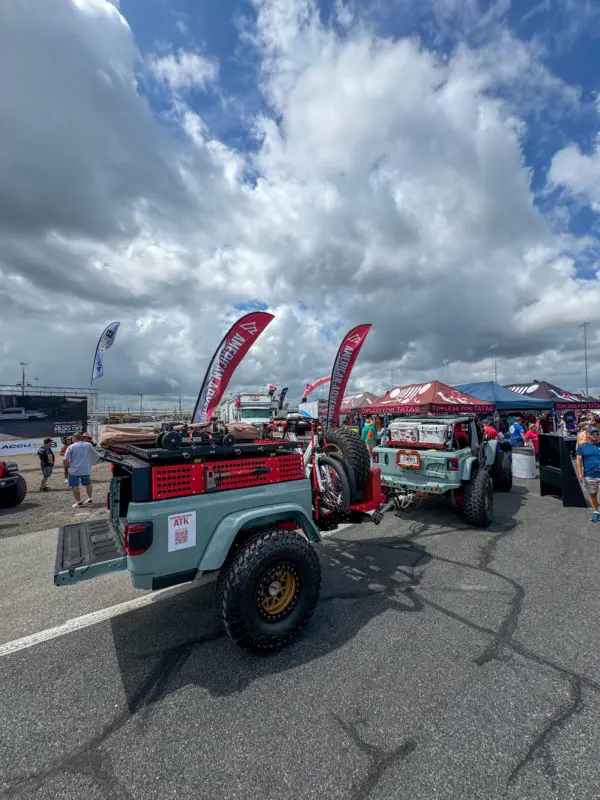
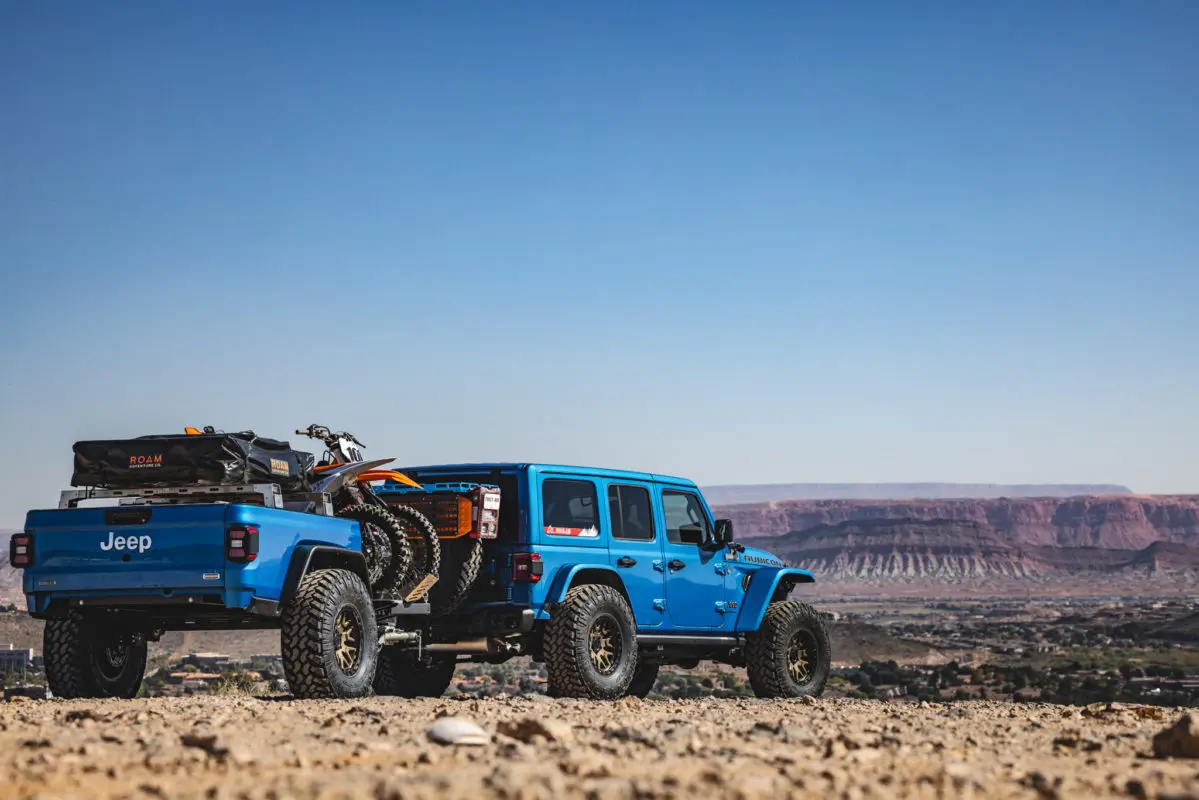
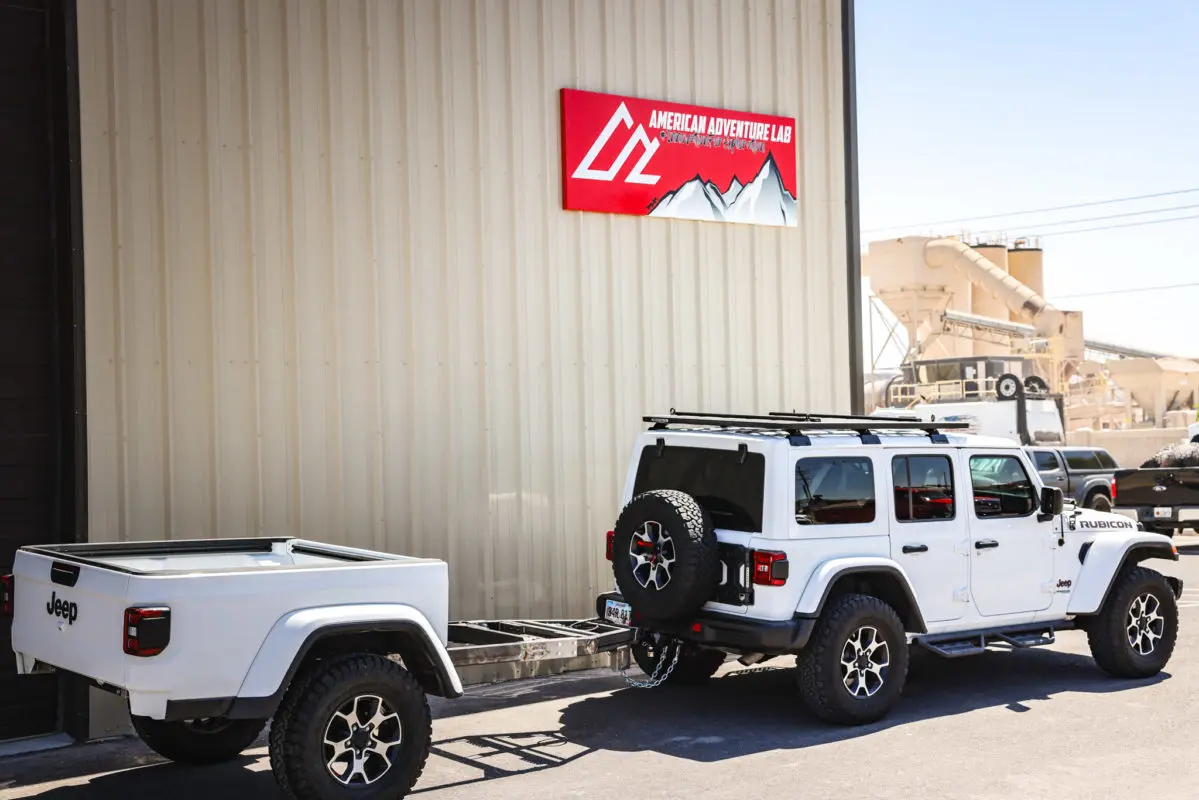
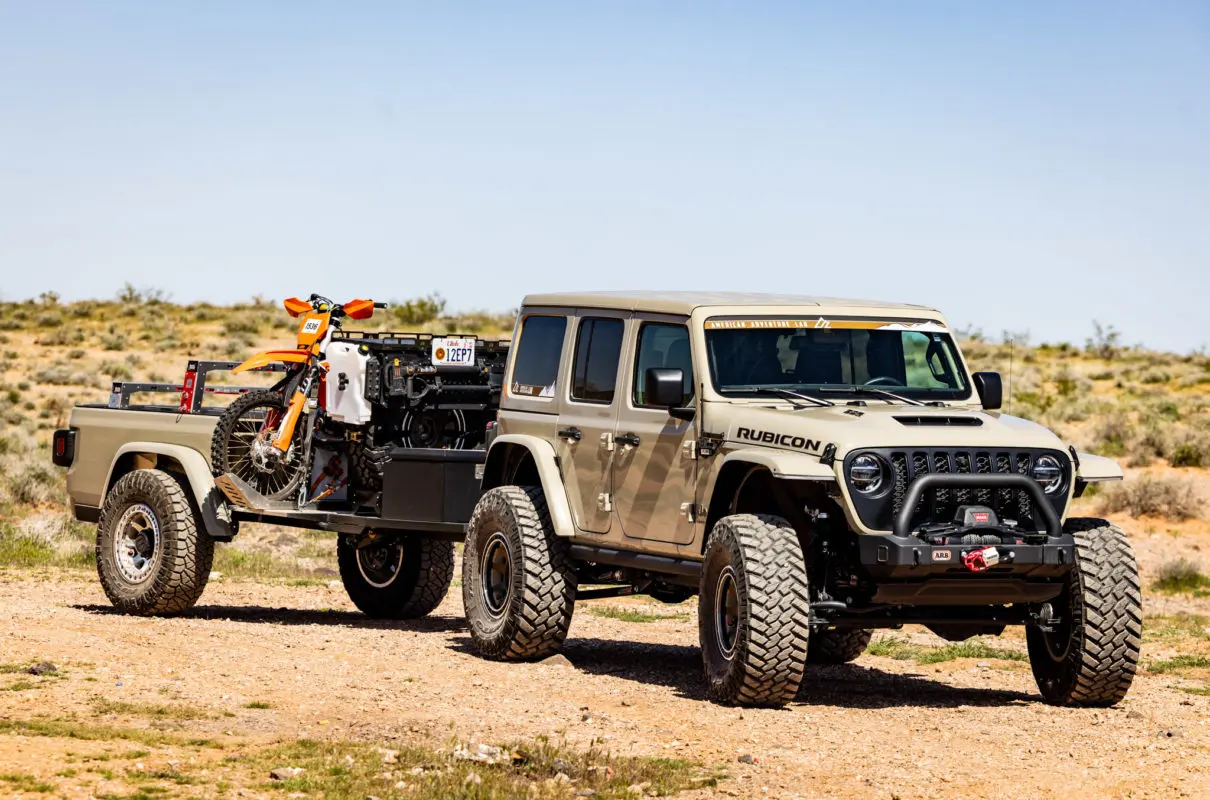
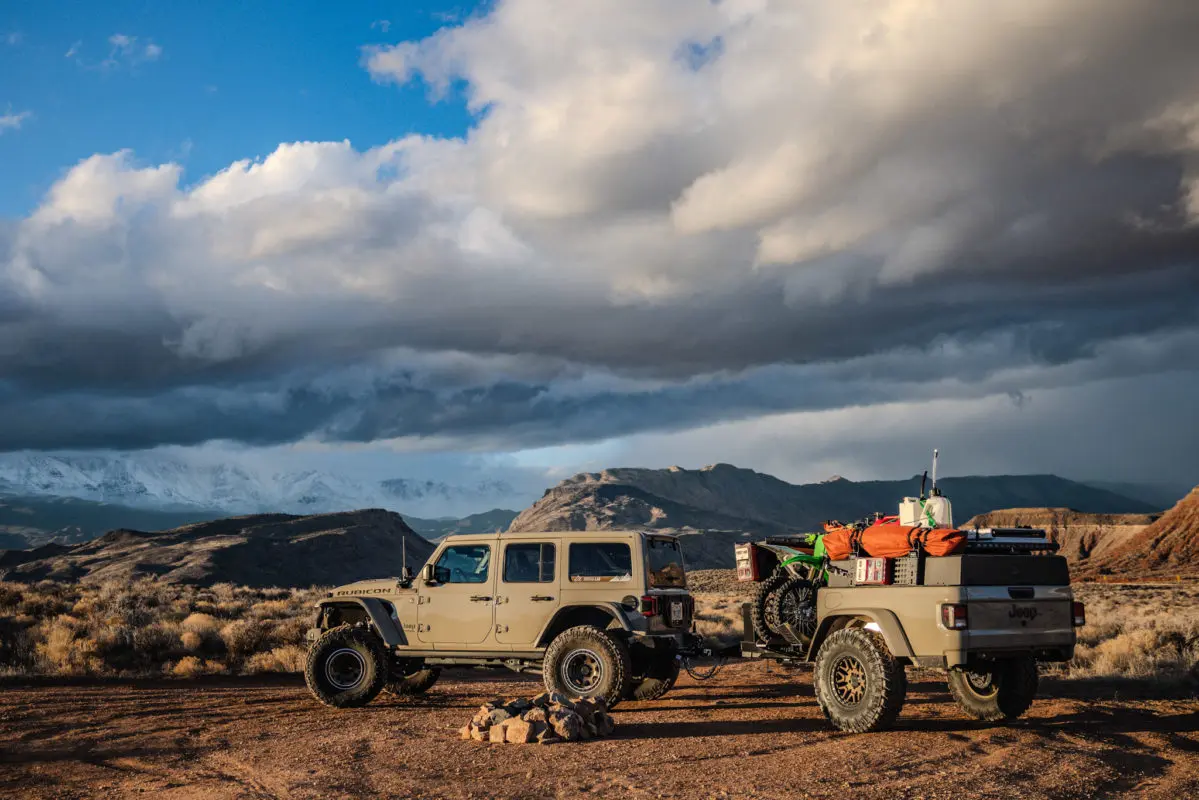
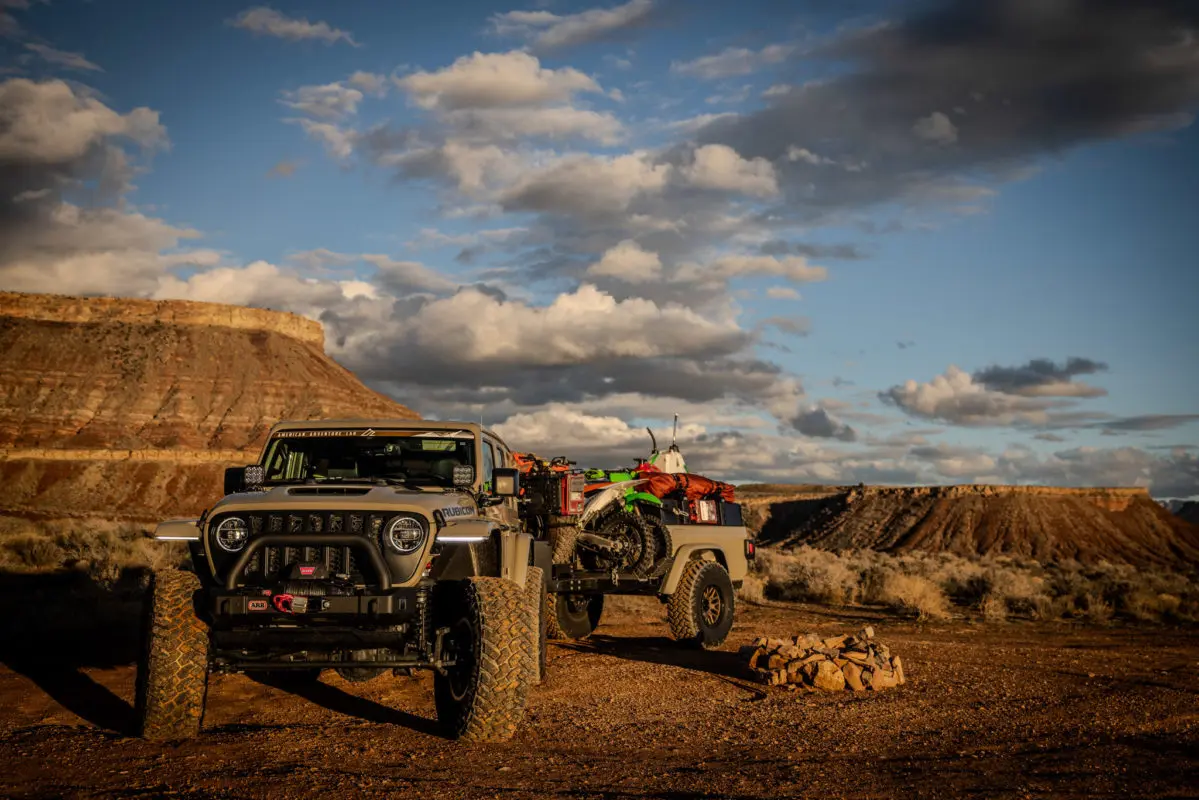
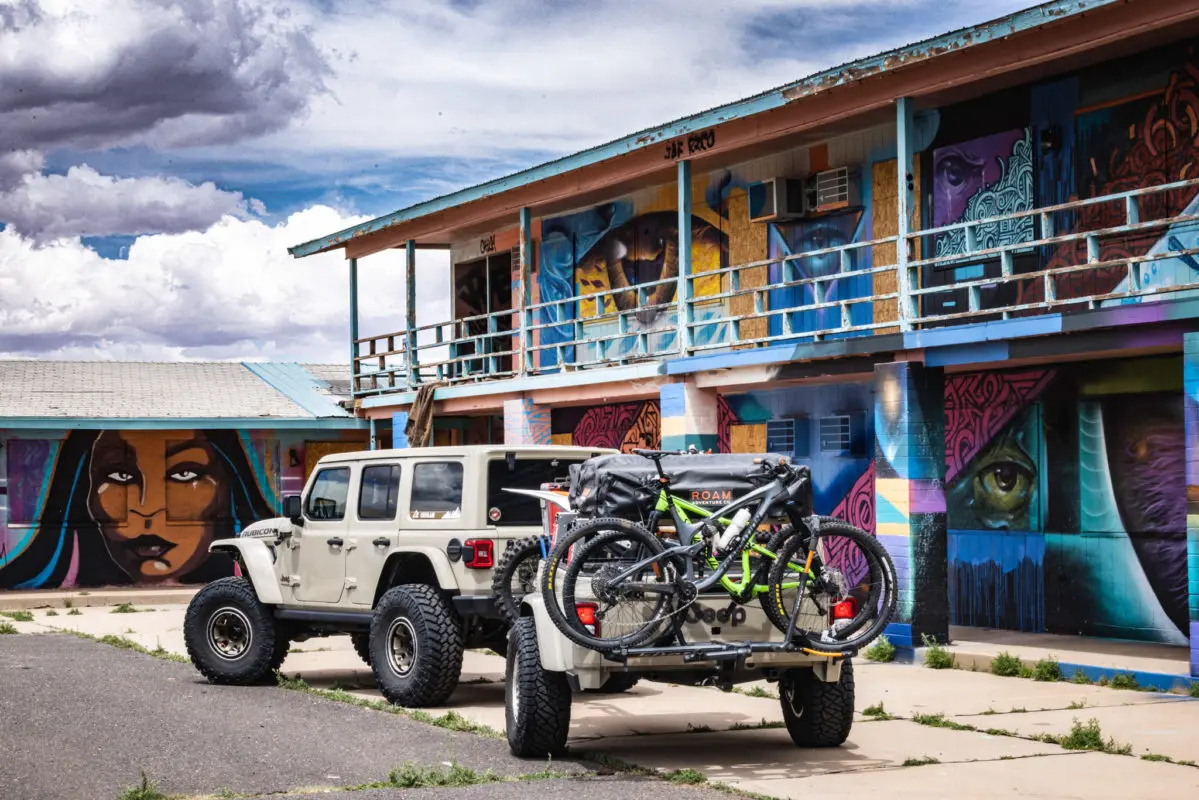
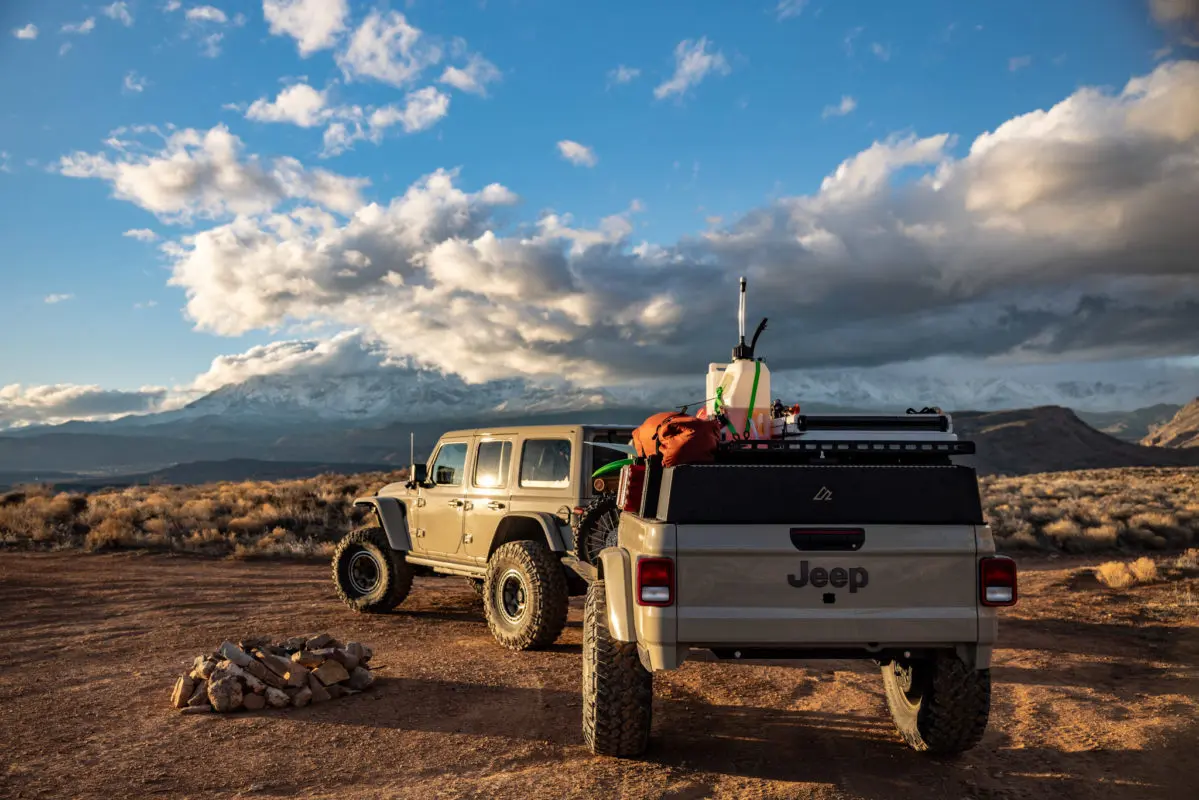
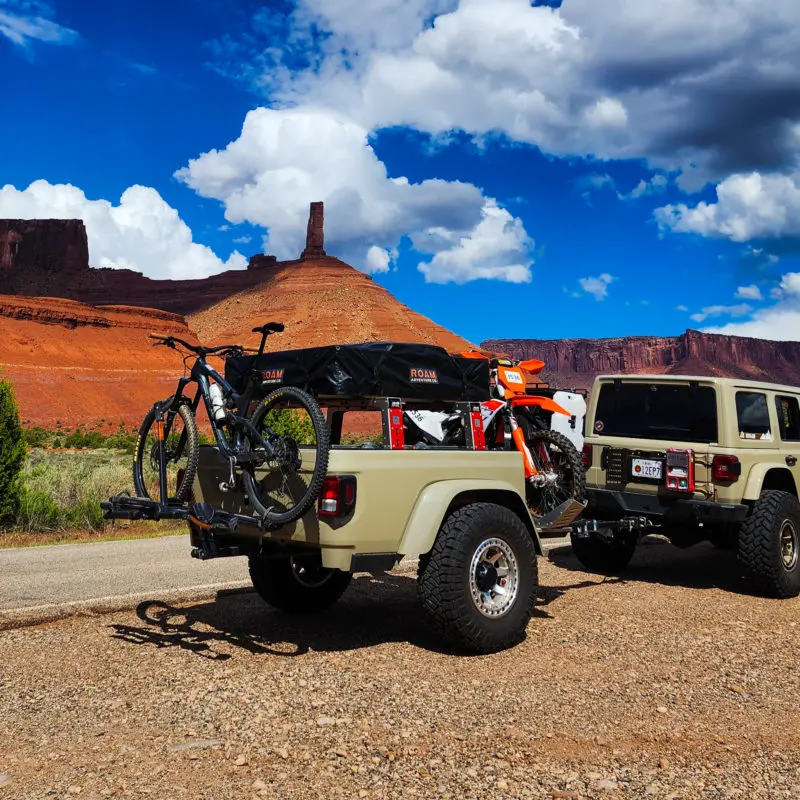
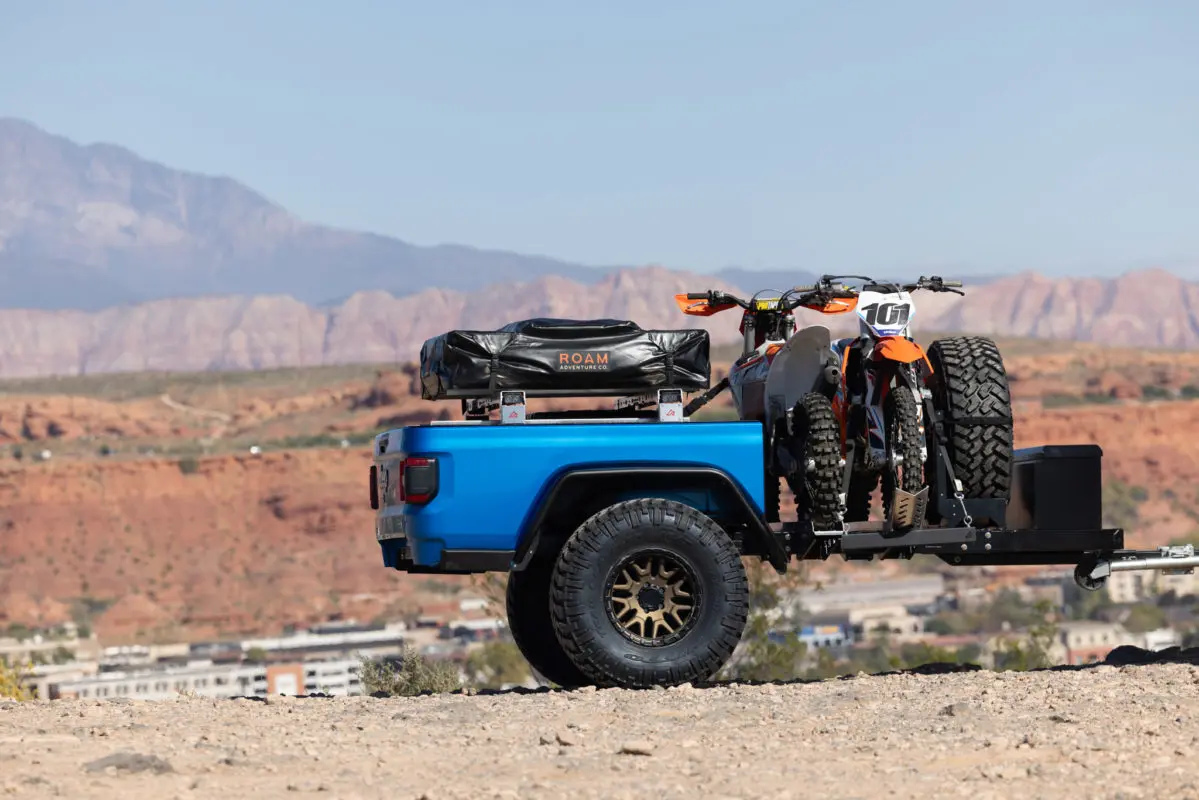
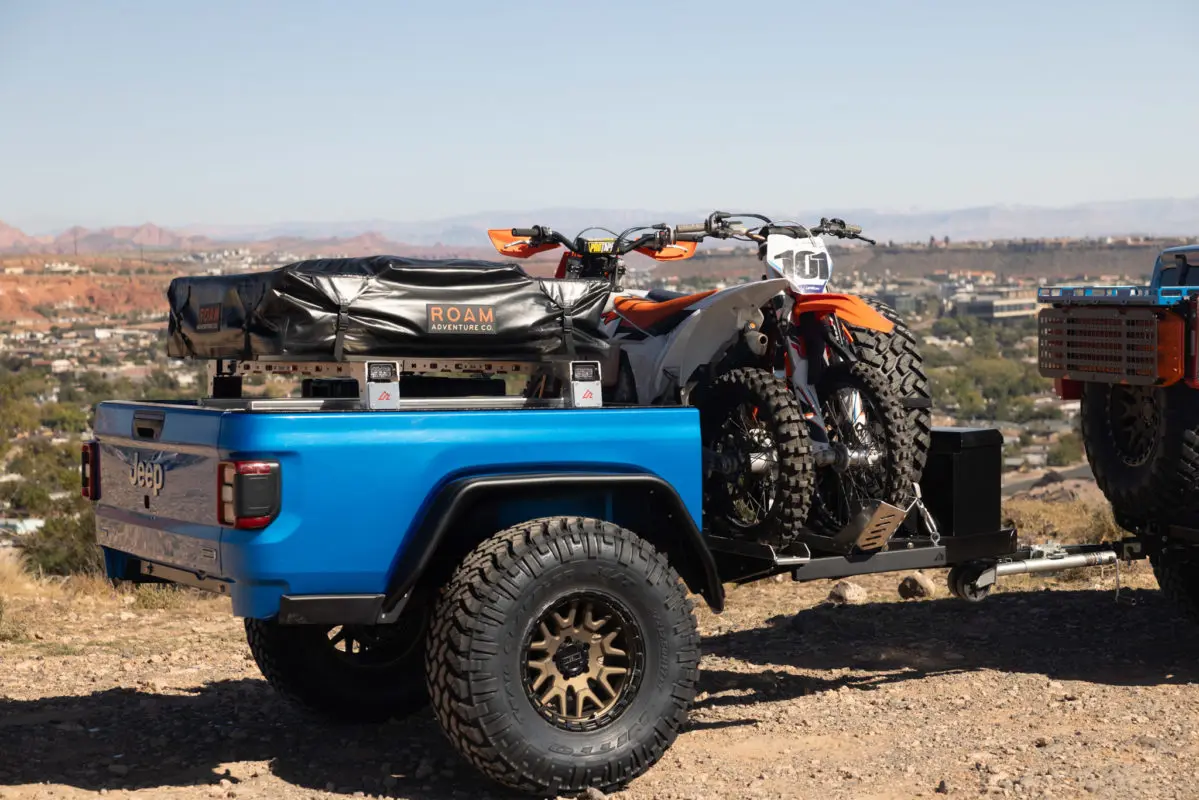
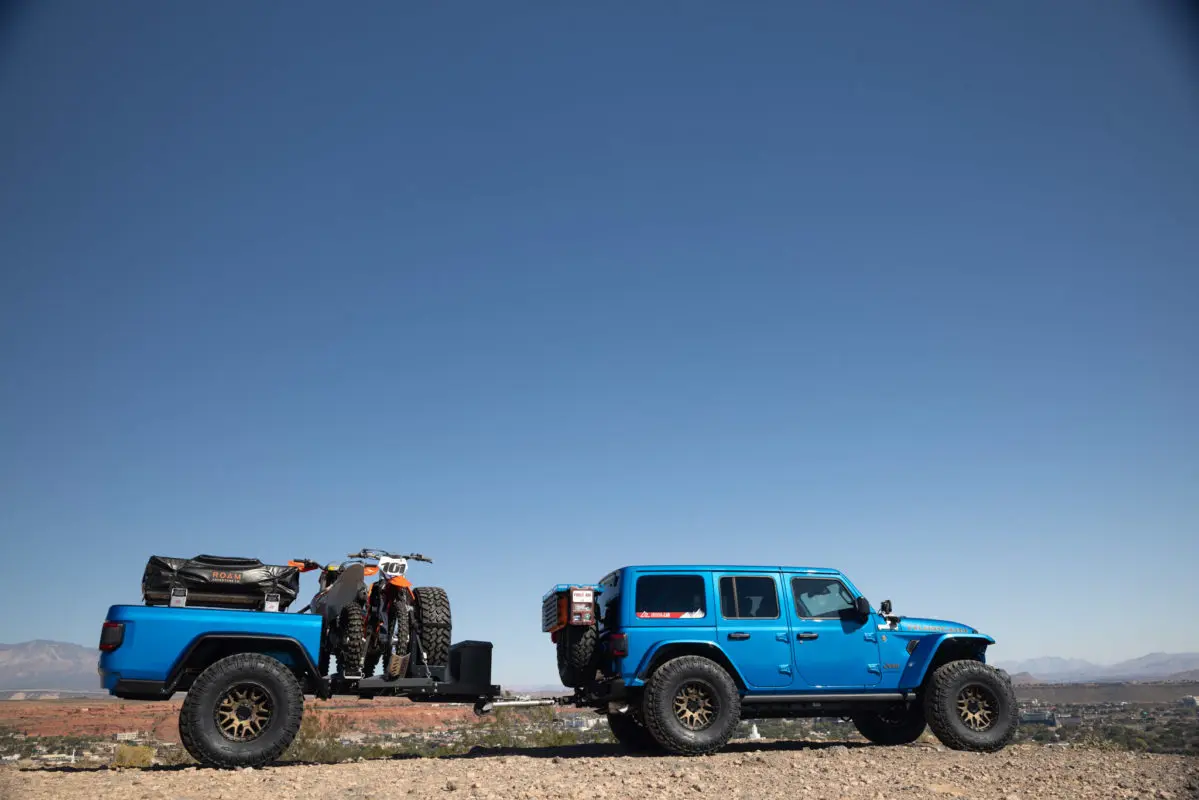
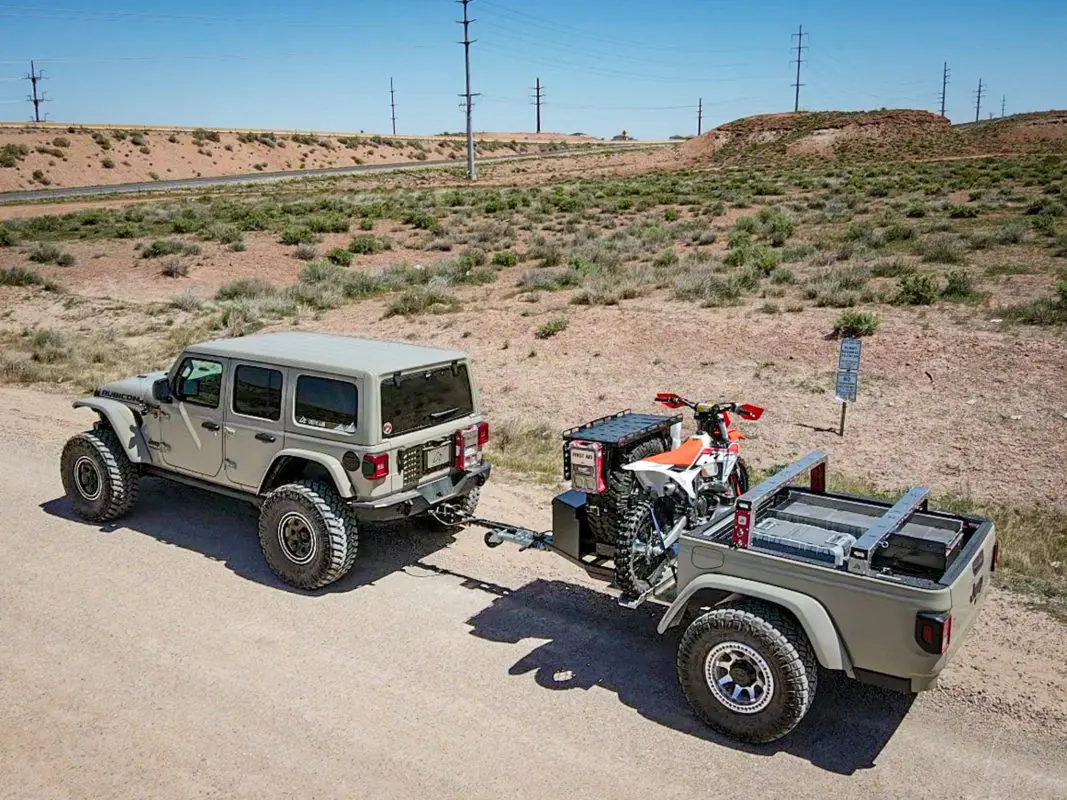
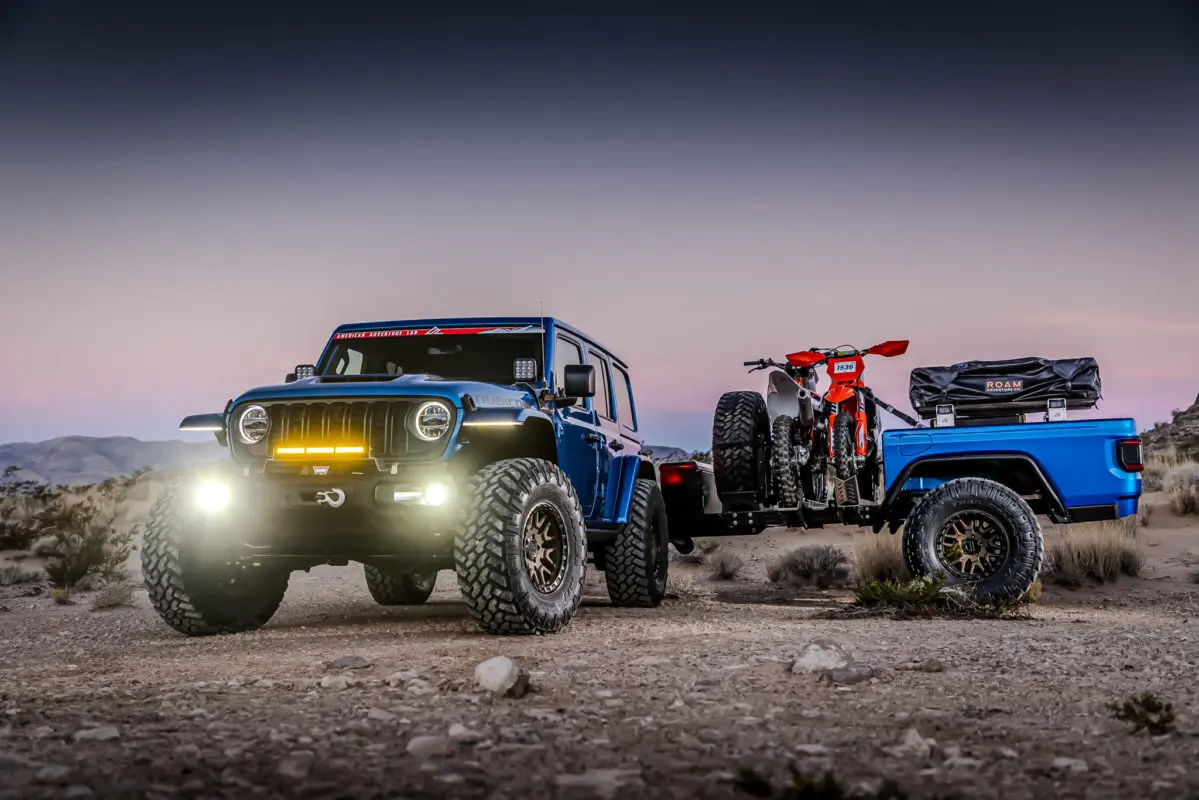
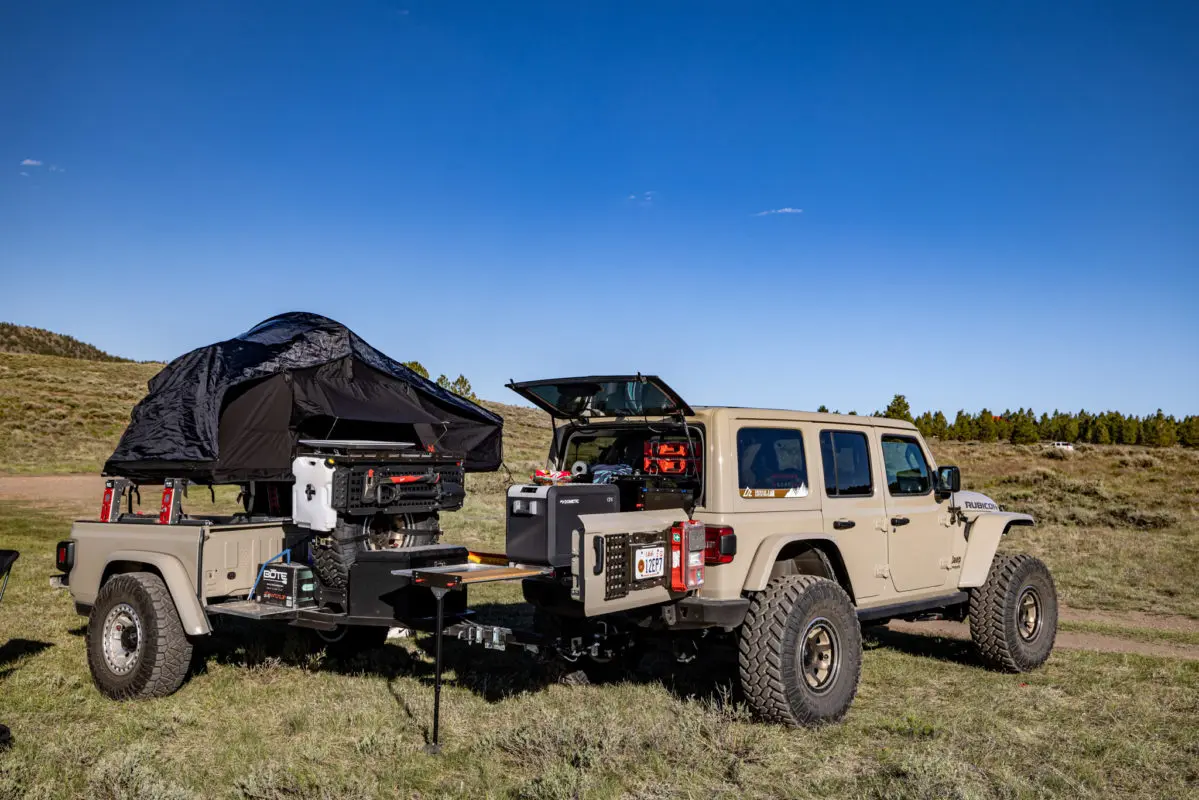
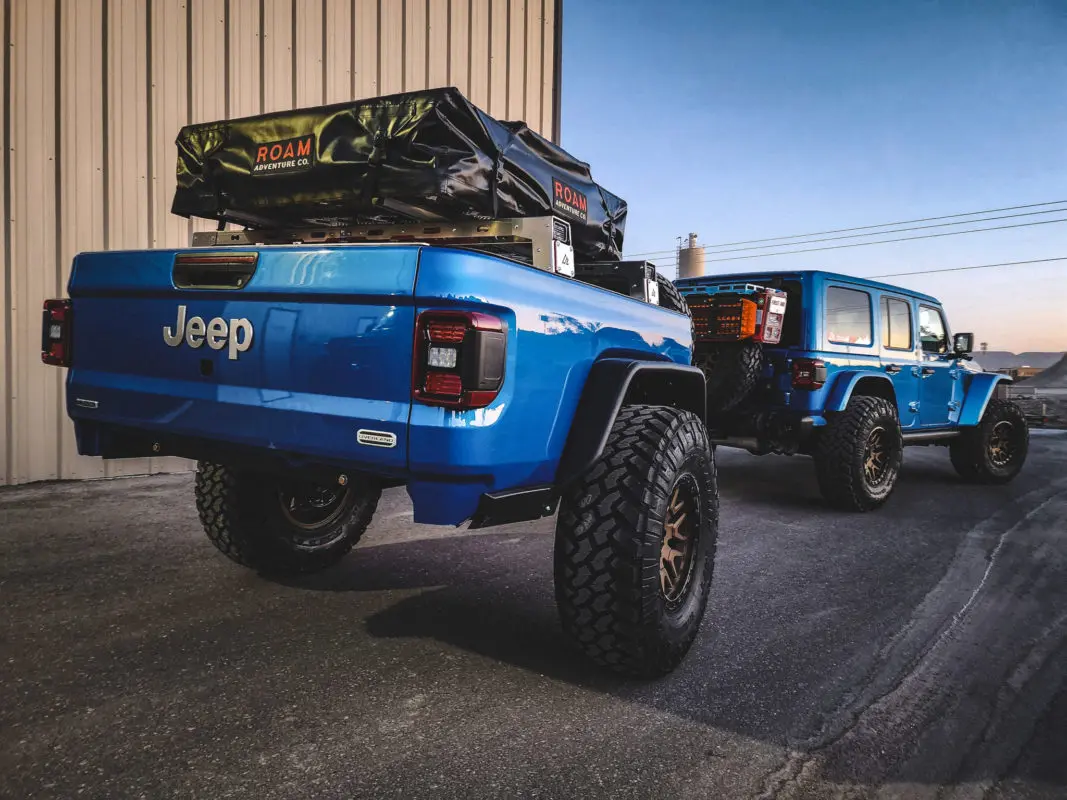
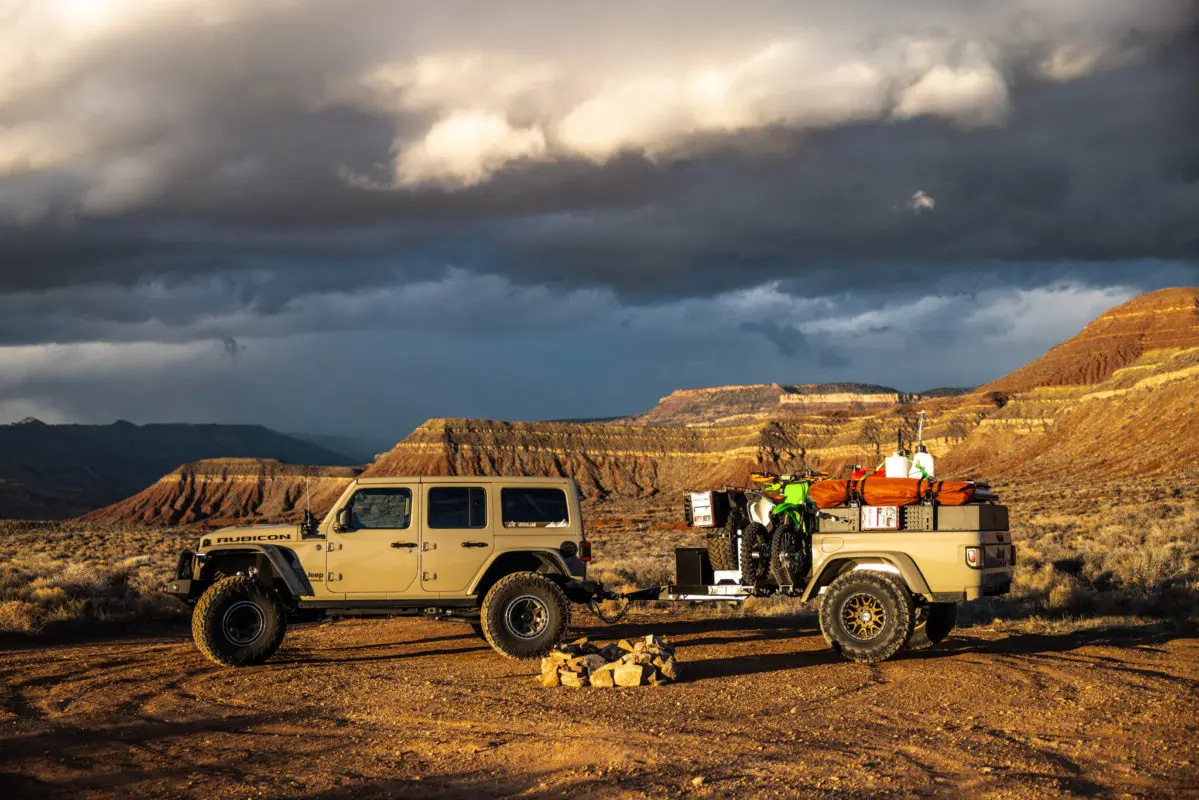
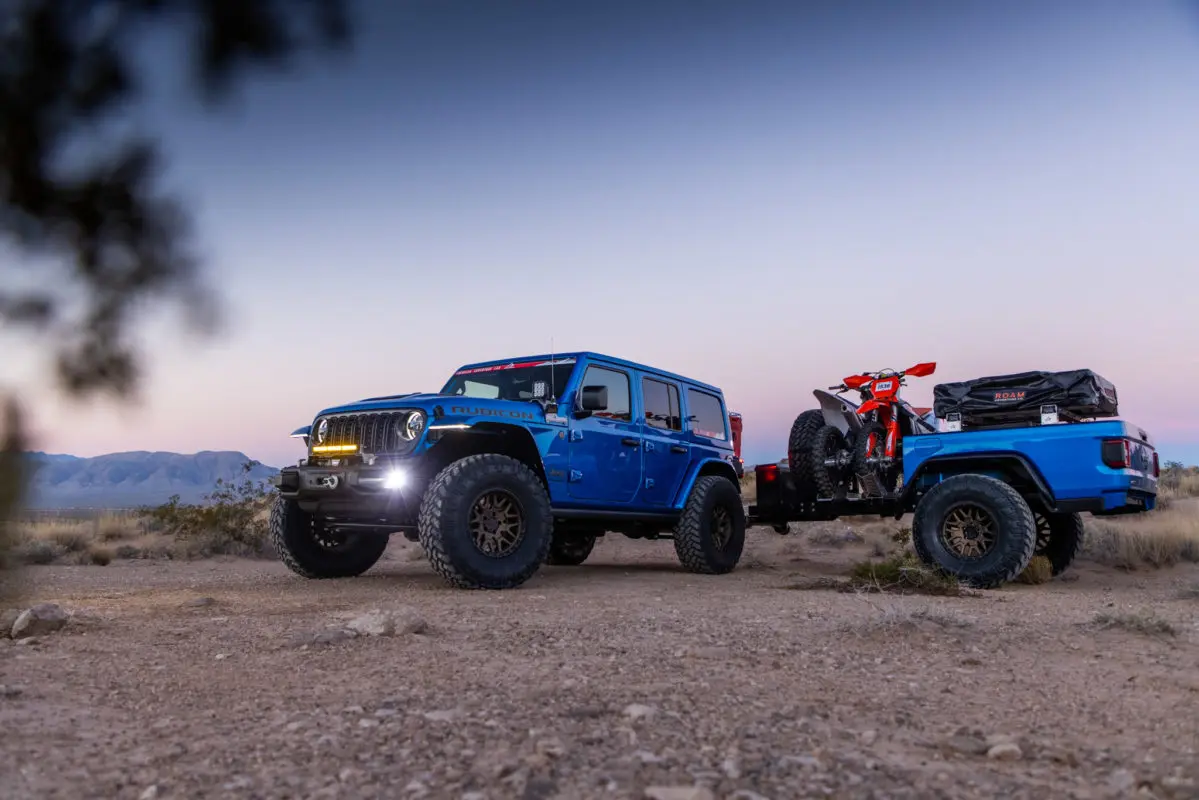
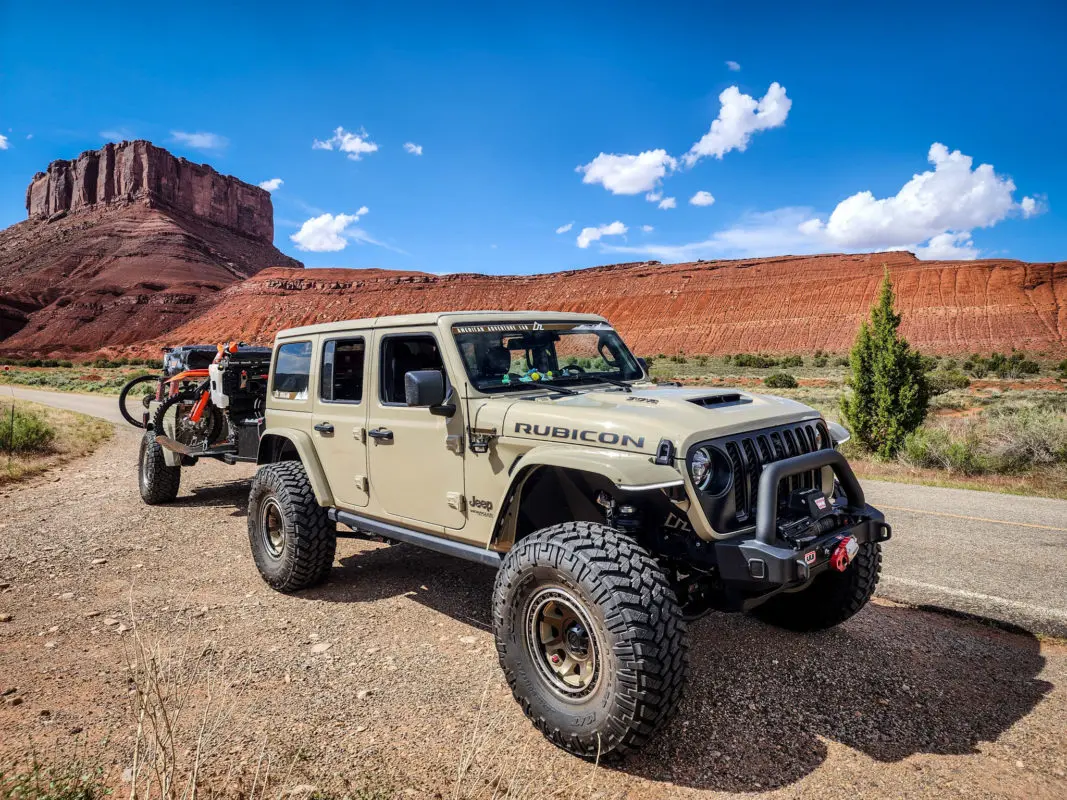
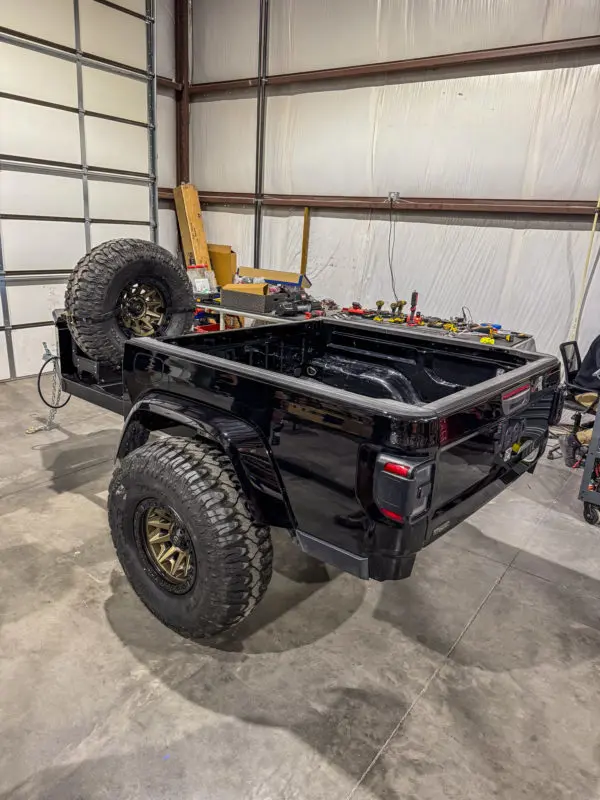
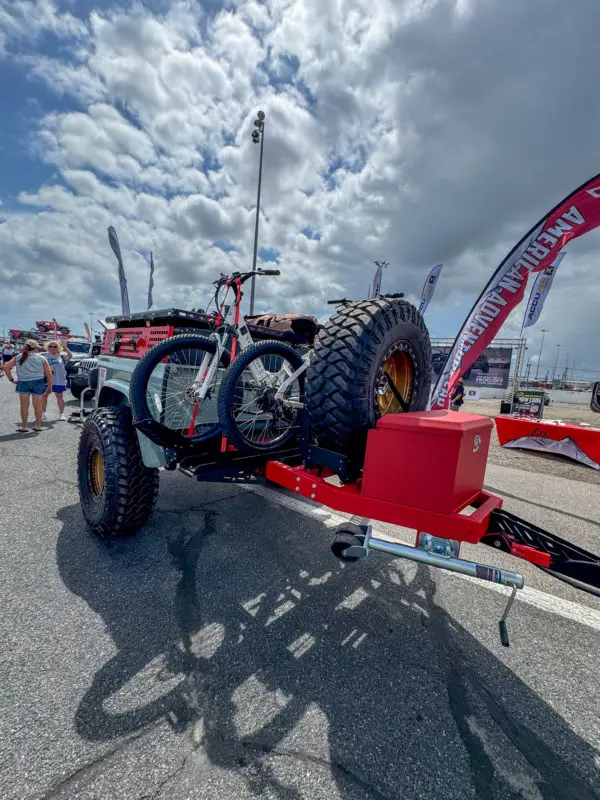
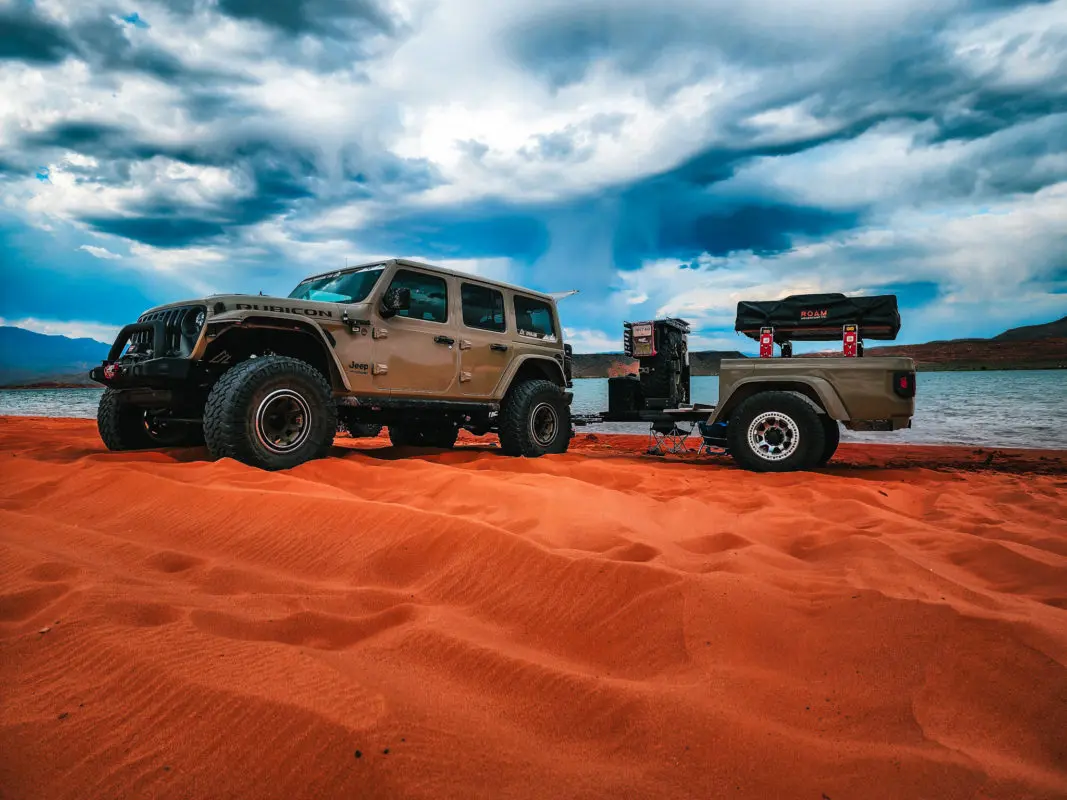
Introducing the Adventure Trailer Kit (ATK) from American Adventure Lab, a revolutionary concept in outdoor adventure gear. The ATK is more than just a trailer; it’s a customizable, modular adventure platform that puts you in control of your outdoor experience.
Imagine a frame that arrives at your doorstep, ready to be built out according to your needs and desires. With the ATK, you can choose the features and functionality that matter most to you, creating a tailor-made adventure companion that is as unique as you are.
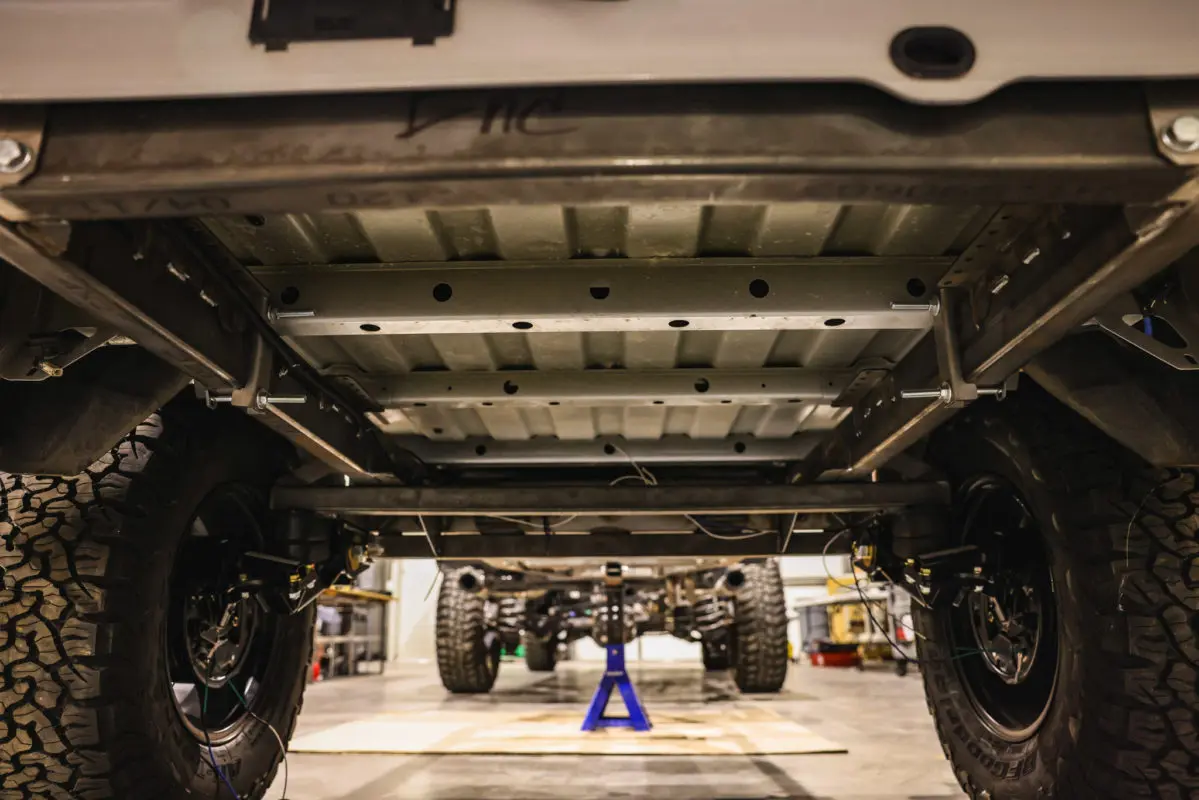
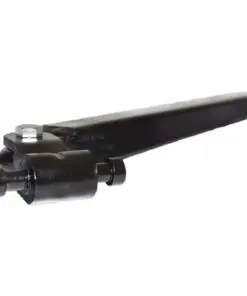
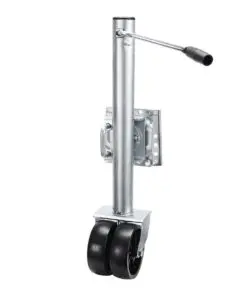
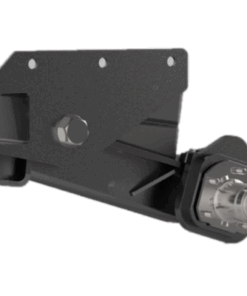
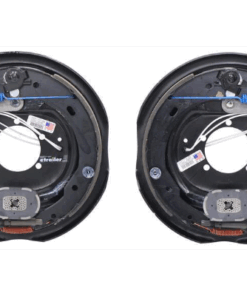
Key features of the ATK include the robust Timbren axle-less suspension, capable of handling up to 3500 pounds and providing a 4-inch lift for off-road clearance. Optional electric brakes and parking brake ensure safety and stability, whether you’re navigating challenging terrain or setting up camp for the night.
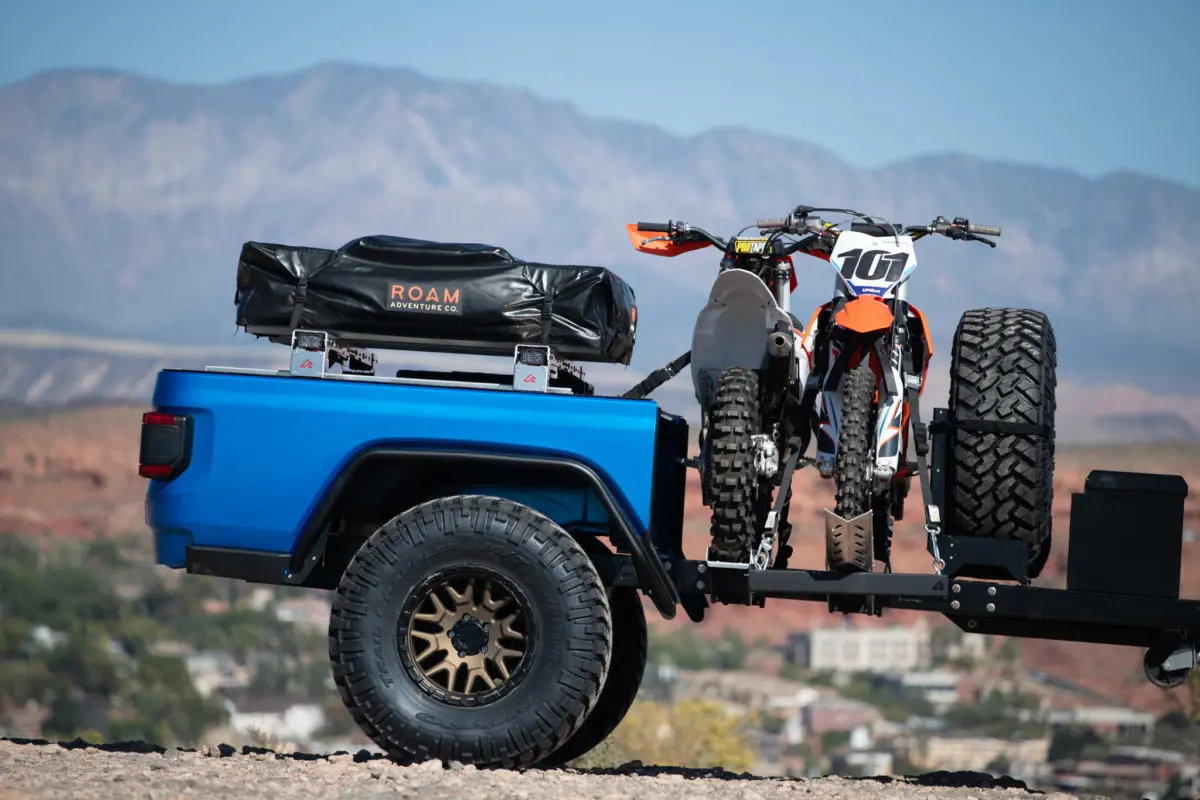
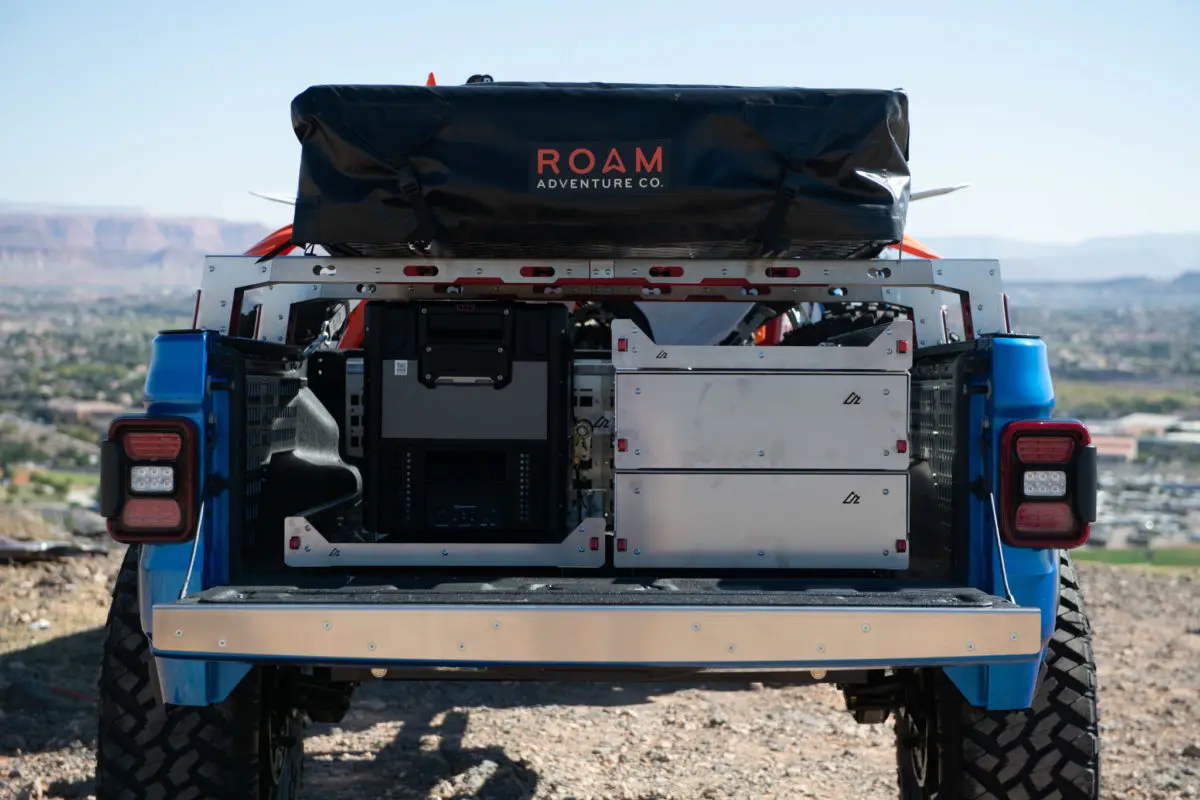
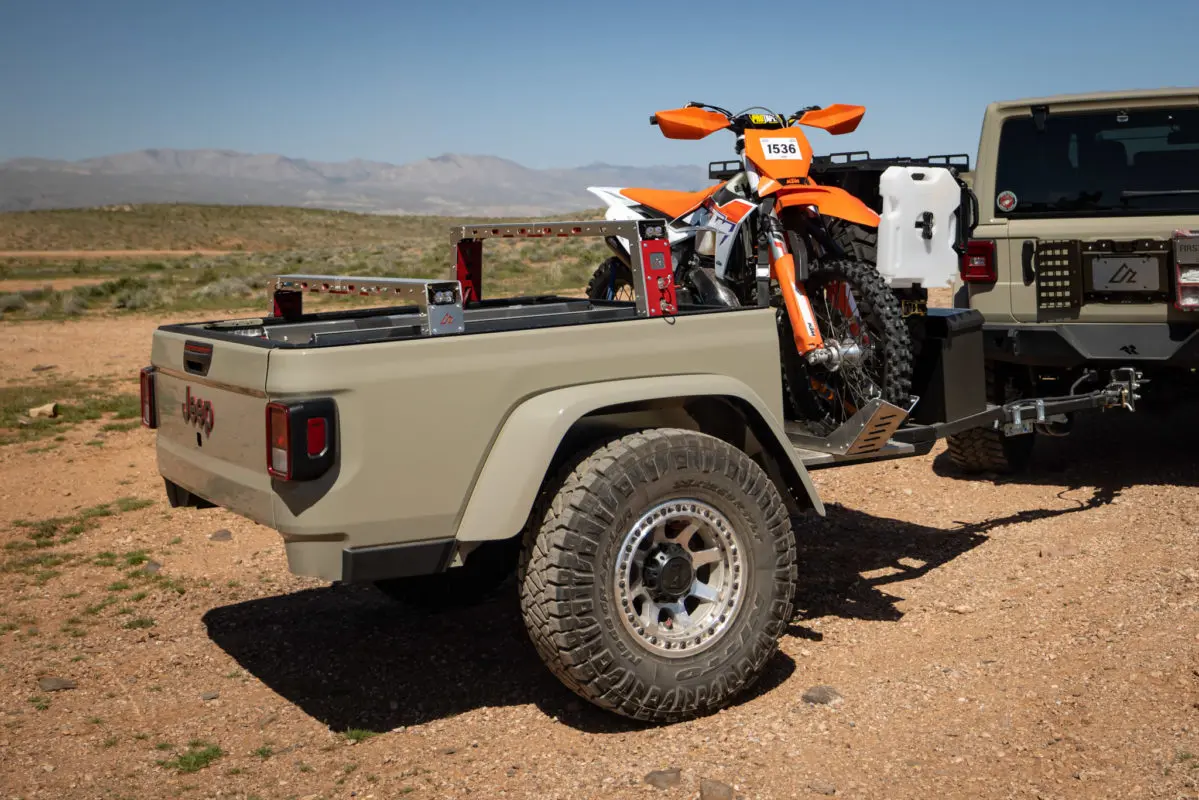
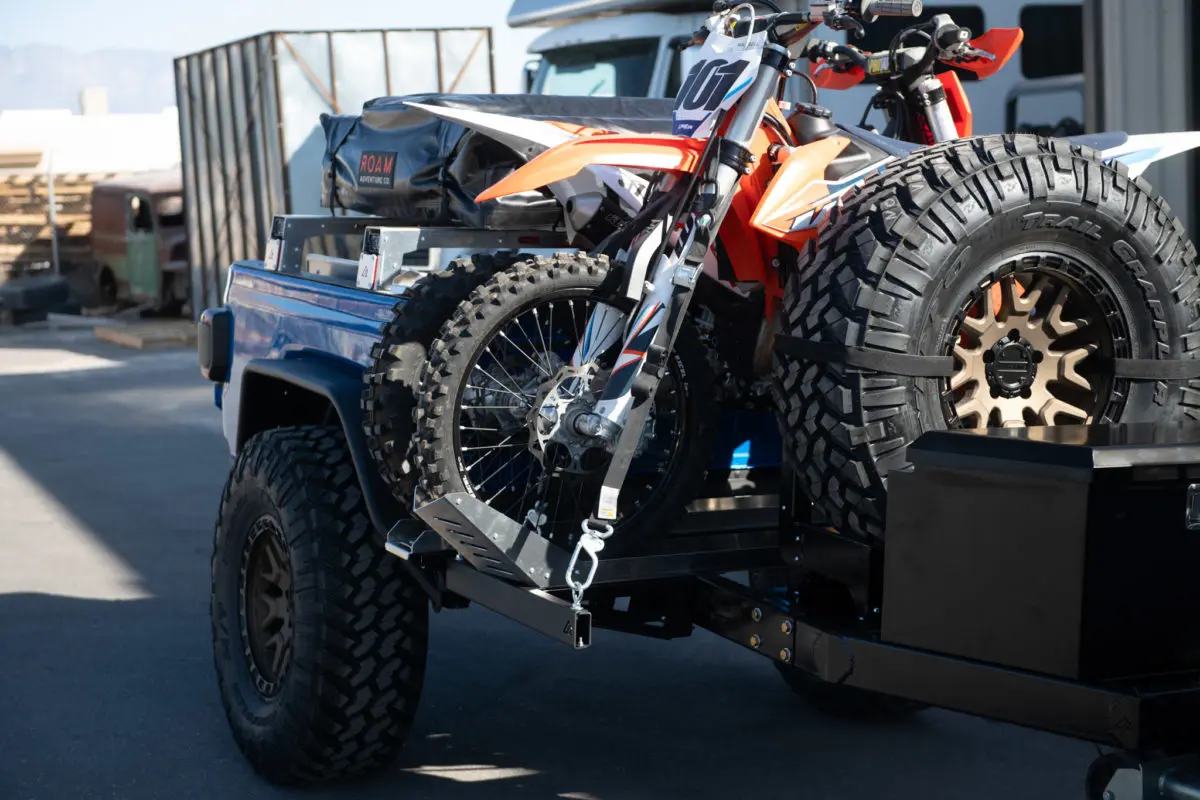
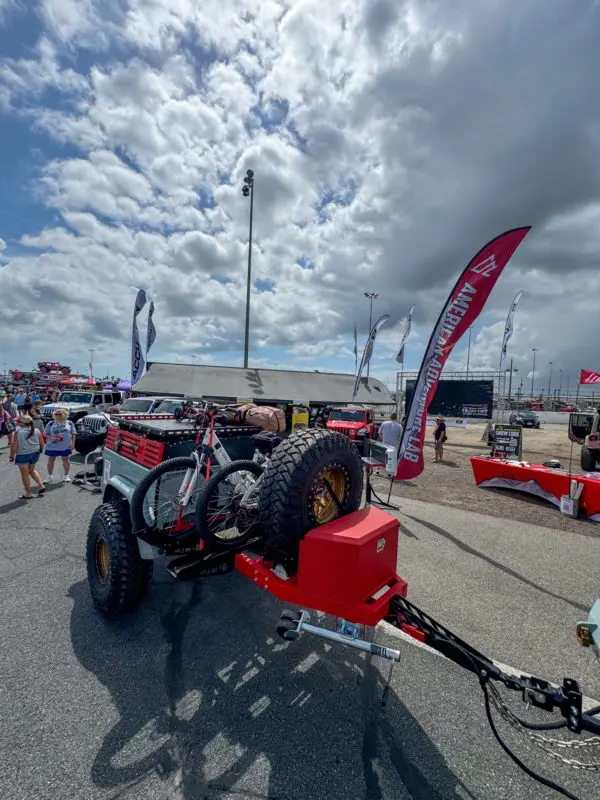
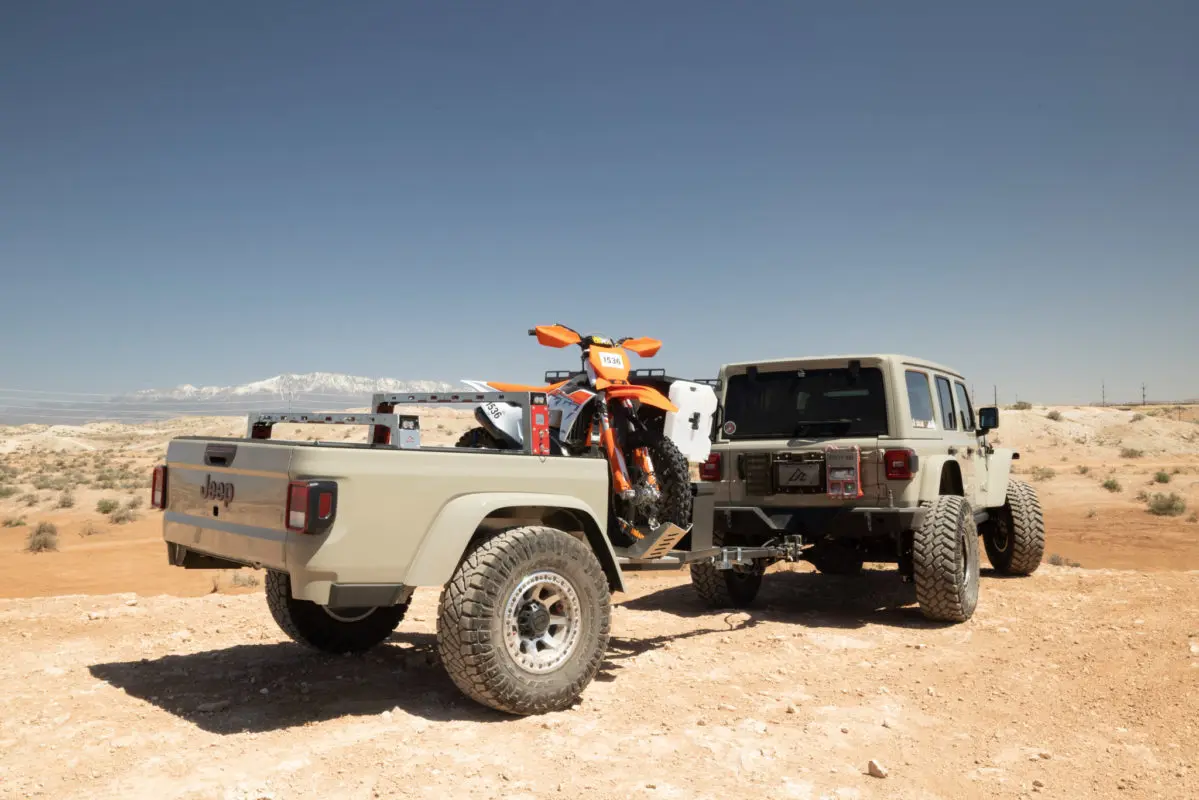
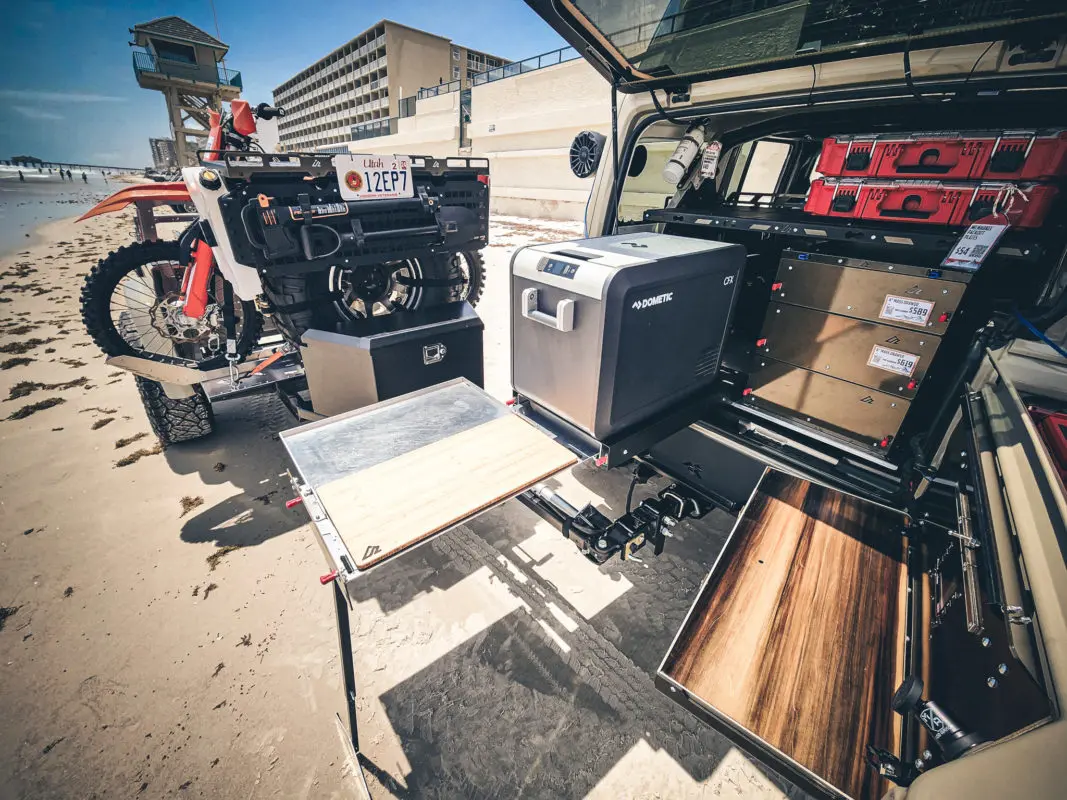
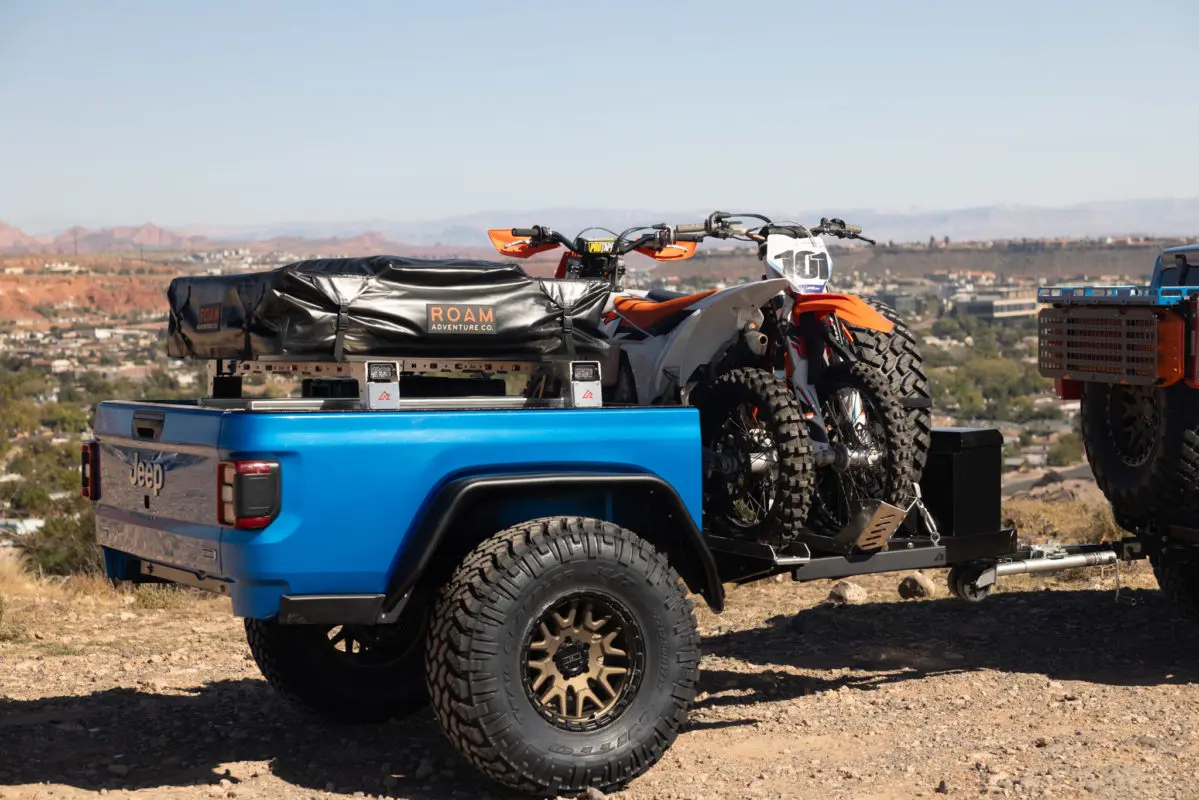
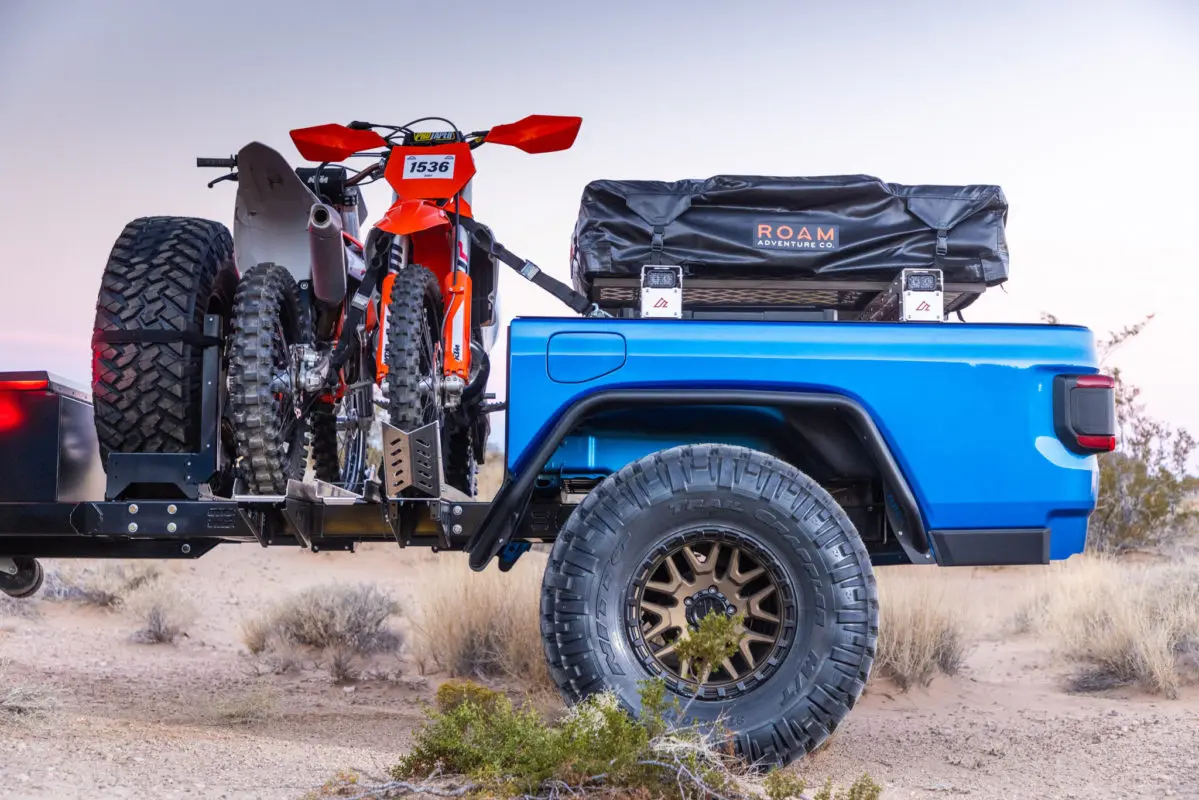
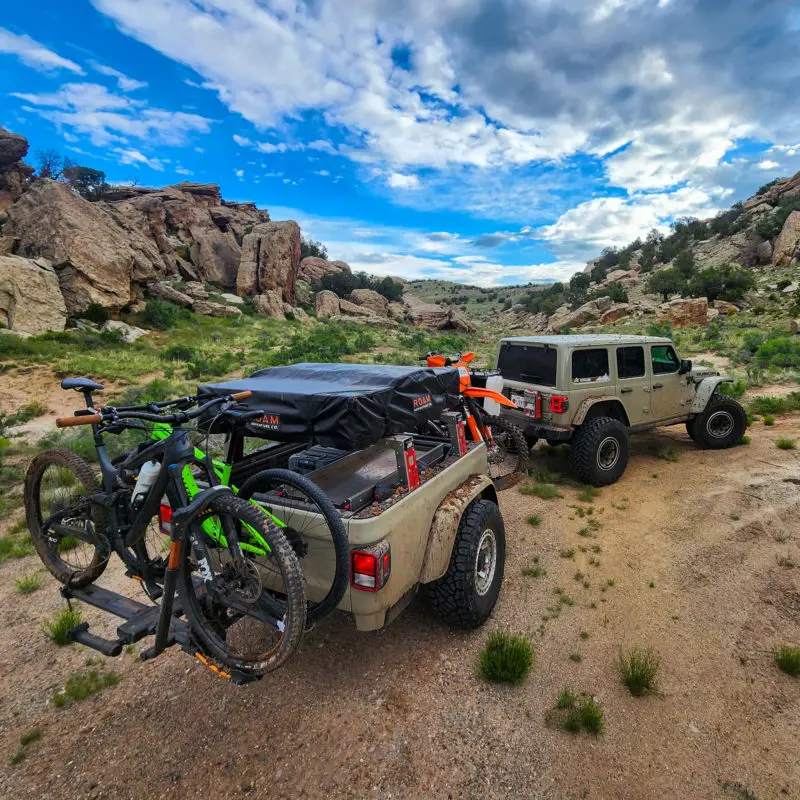
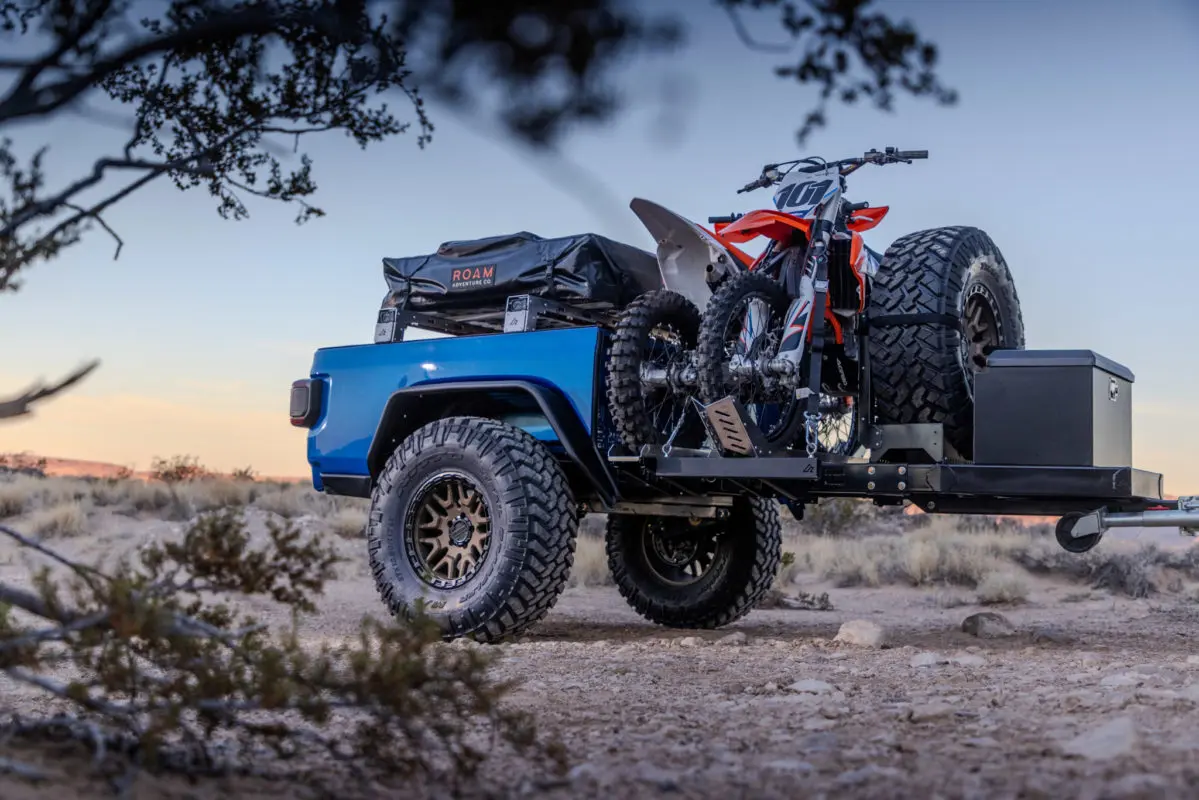
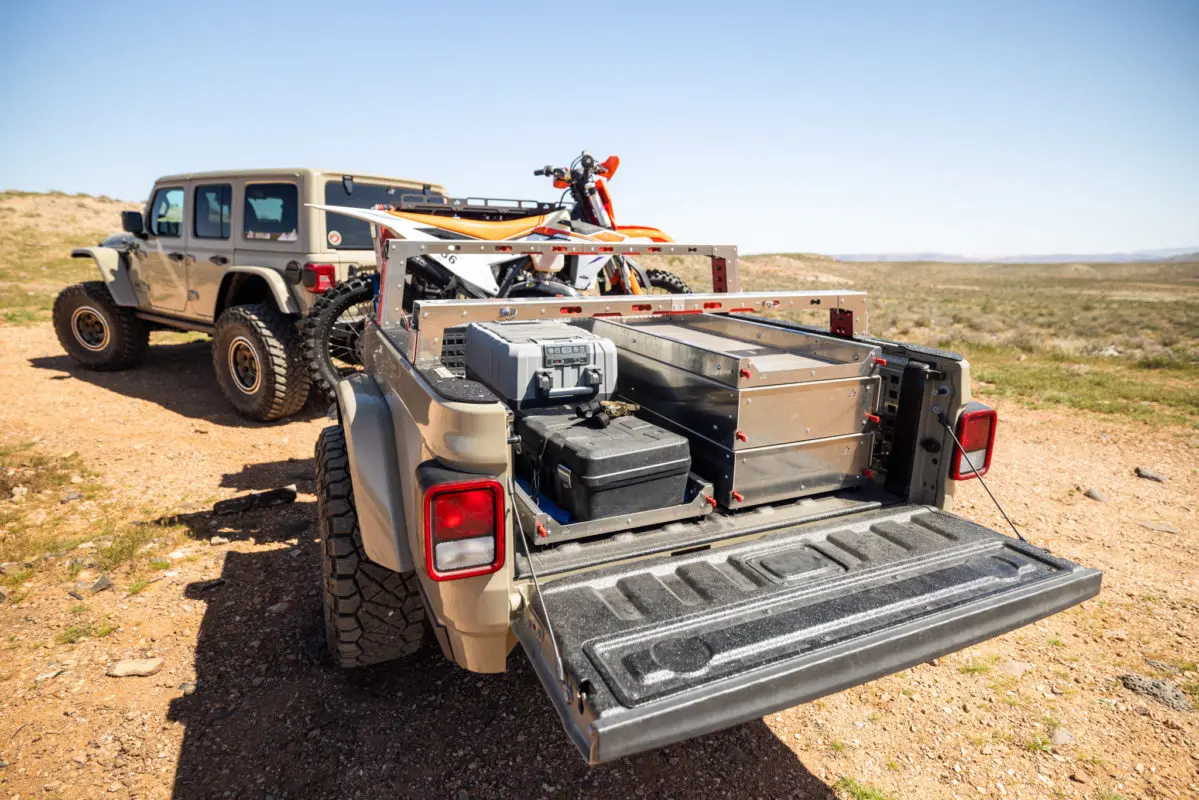
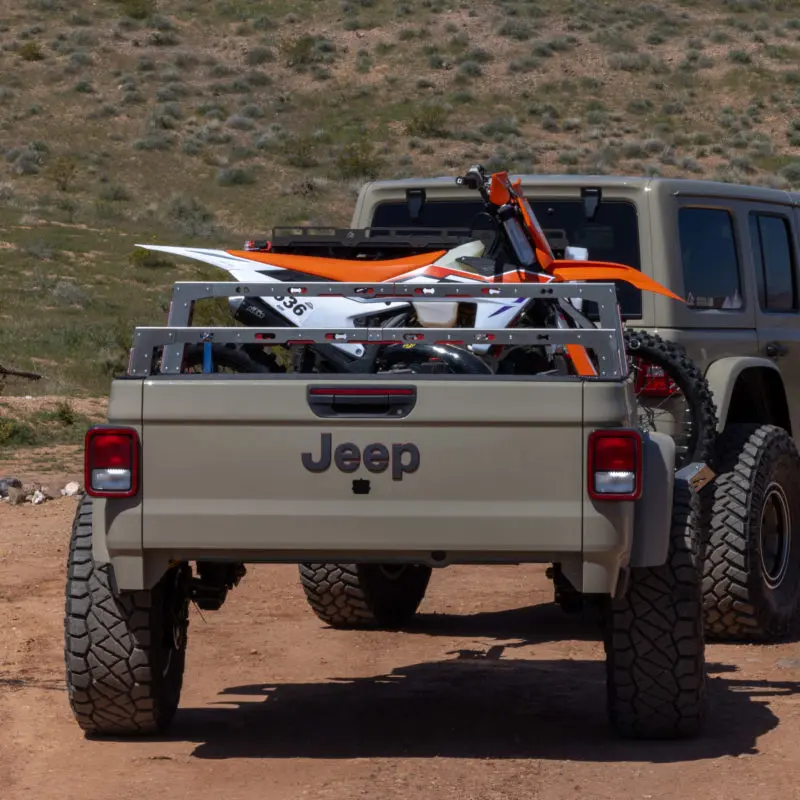
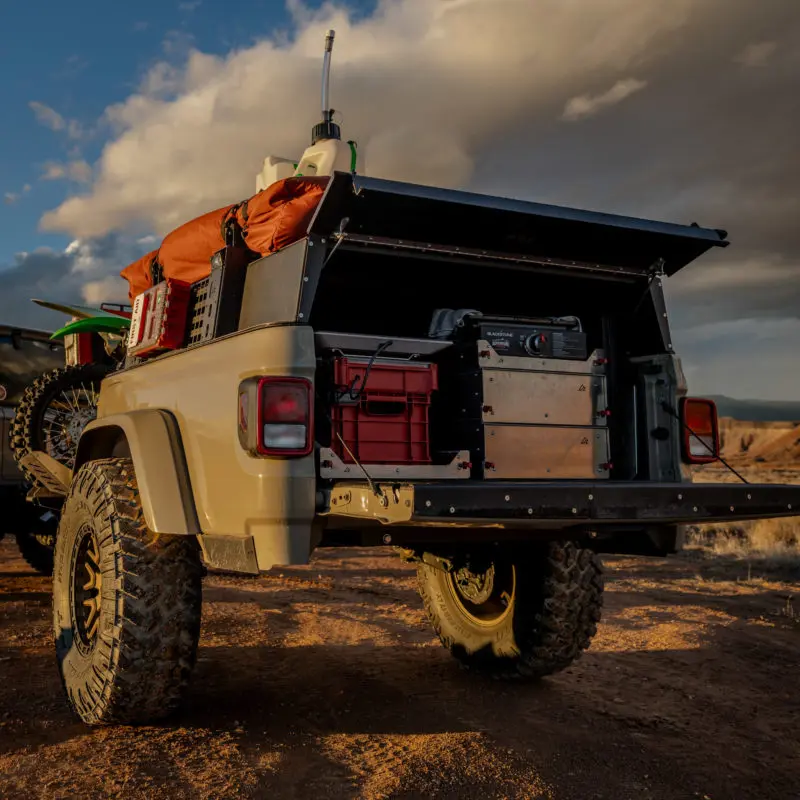
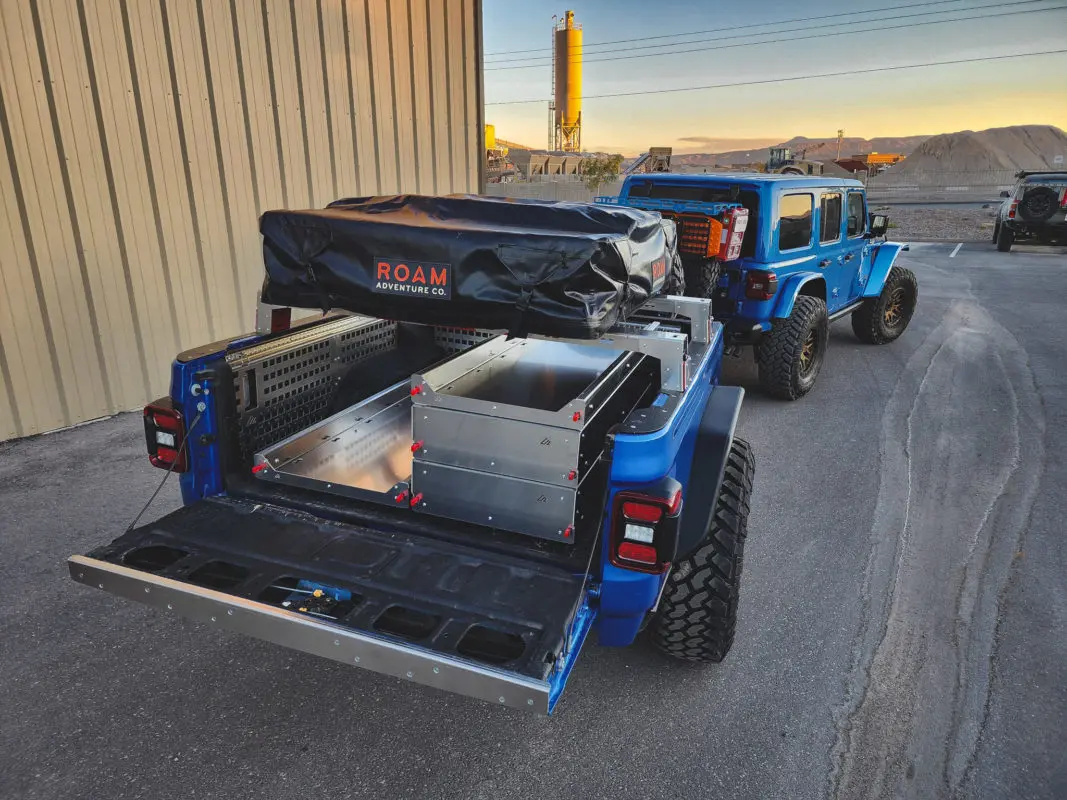
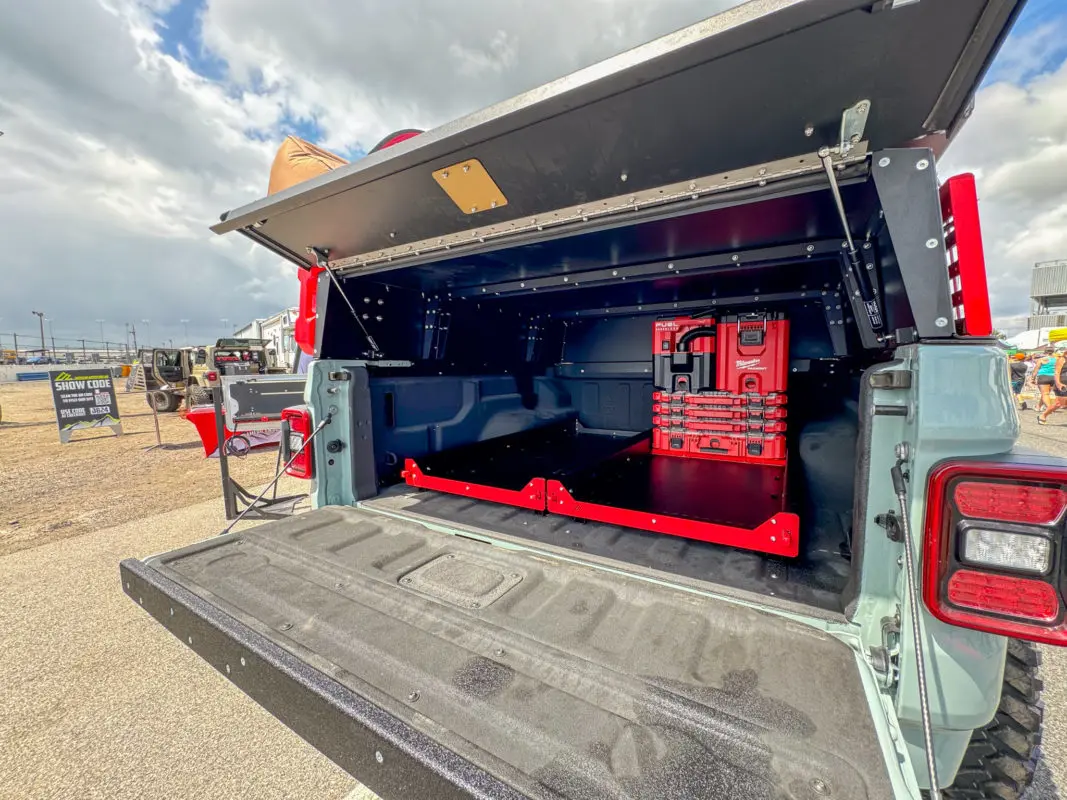
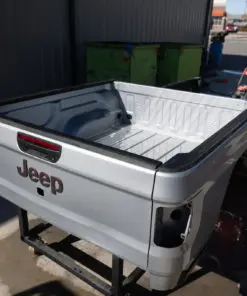
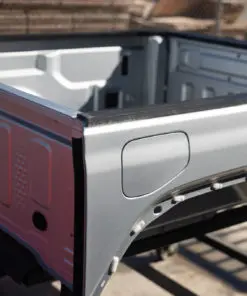
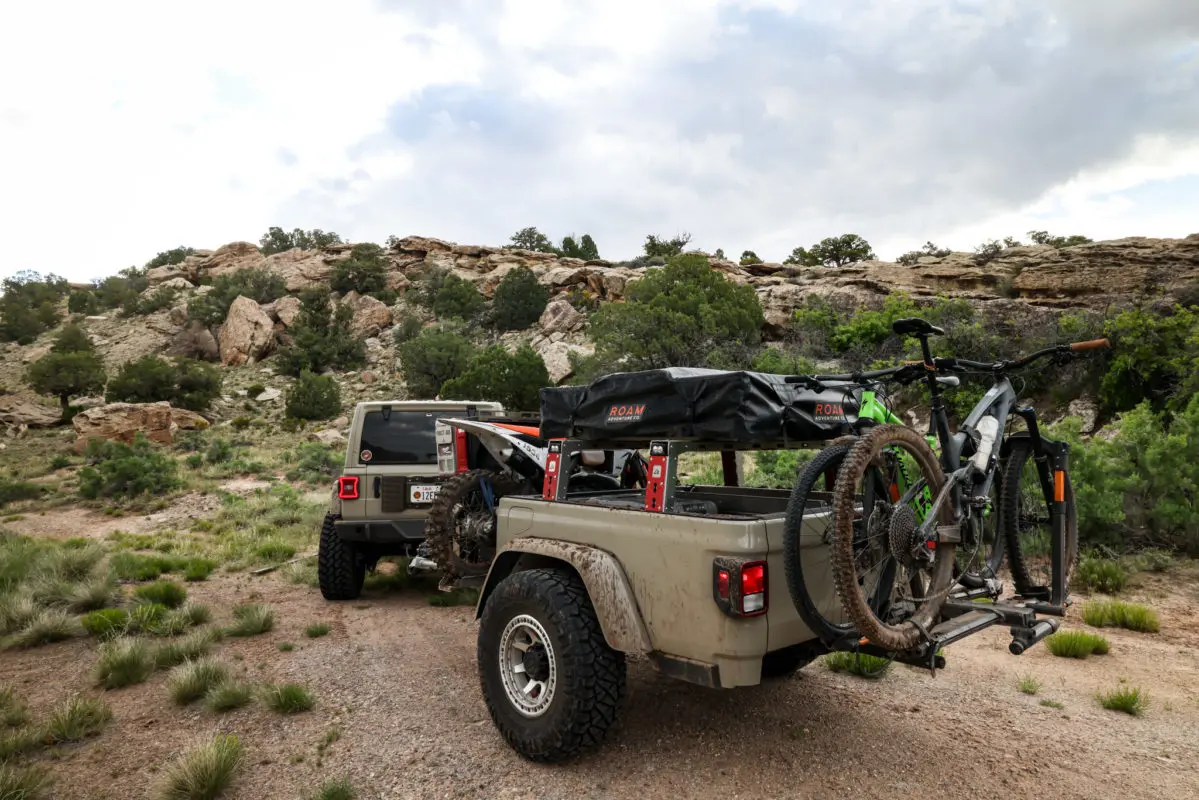
The ATK offers versatility like never before, with multiple wheel patterns available to suit your towing vehicle(based on brake drum selected). Truck bed mounting kits for popular models like the Gladiator and Tacoma make installation a breeze, while the innovative Flex Space allows you to attach a variety of modules, from dirt bike trays to refrigerator boxes.
Illuminate your adventure with the ATK’s integrated lighting harness (Gladiator only, at the moment), and keep your rear auxiliary battery charged and ready for anything with the included charging harness.
We’re constantly innovating and improving, and we want to hear from you. Have an idea for a new module or feature? Shoot us a message on Instagram or email us at [email protected]. Let’s work together to make your adventure dreams a reality with the Adventure Trailer Kit from American Adventure Lab.
DISCLAIMER: Due to the offset and hub size of most factory Jeep wheels, they will not work with the trailer hubs. Our recommendation would be to purchase trailer wheels or aftermarket wheels with enough negative offset and large enough hub bore. Or to use wheel spacers to get the wheel far enough away from the suspension arm.
Shipping Charged Separately
Because this is such a large product that can be configured in a number of ways, we will be charging shipping after the order is placed based on your address and current delivery rates. If you have any questions please reach out to [email protected] and we can help get those answered. These are also built to order so lead times will depend on current availability and current queue of orders.
What is the concept?
This product is shaping up to be a frame kit that can be shipped to your home where you can assemble it with the functionality you choose. The included features may contain:
- Timbren axle-less suspension (3500# rated, 4″ lift)
- Electric brakes (optional)
- Parking brake (optional, used for keeping trailer stationary at your camp site)
- Multiple wheel patterns available
- Truck bed mounting kits (Gladiator, Tacoma, etc.)
- Flex Space – area used for attaching various modules we will be building (ex. dirt bike tray, mountain bike mounts, refrigerator box, diesel heater mount, etc.
- Various hitch options (Lock’n’Roll, 1-7/8″ ball, pintle, etc.)
- Lighting harness (Gladiator only, currently)
- Rear auxiliary battery charging harness
Rigid Platform
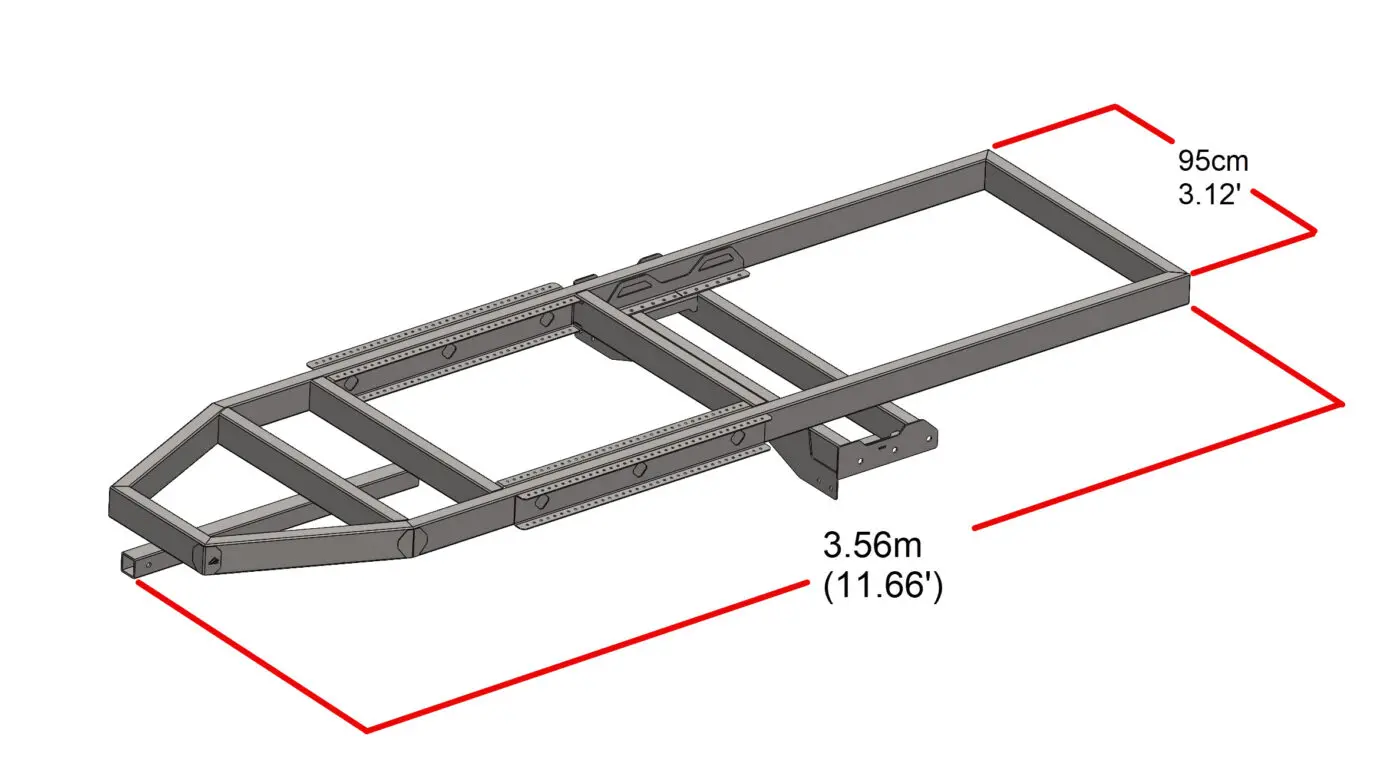
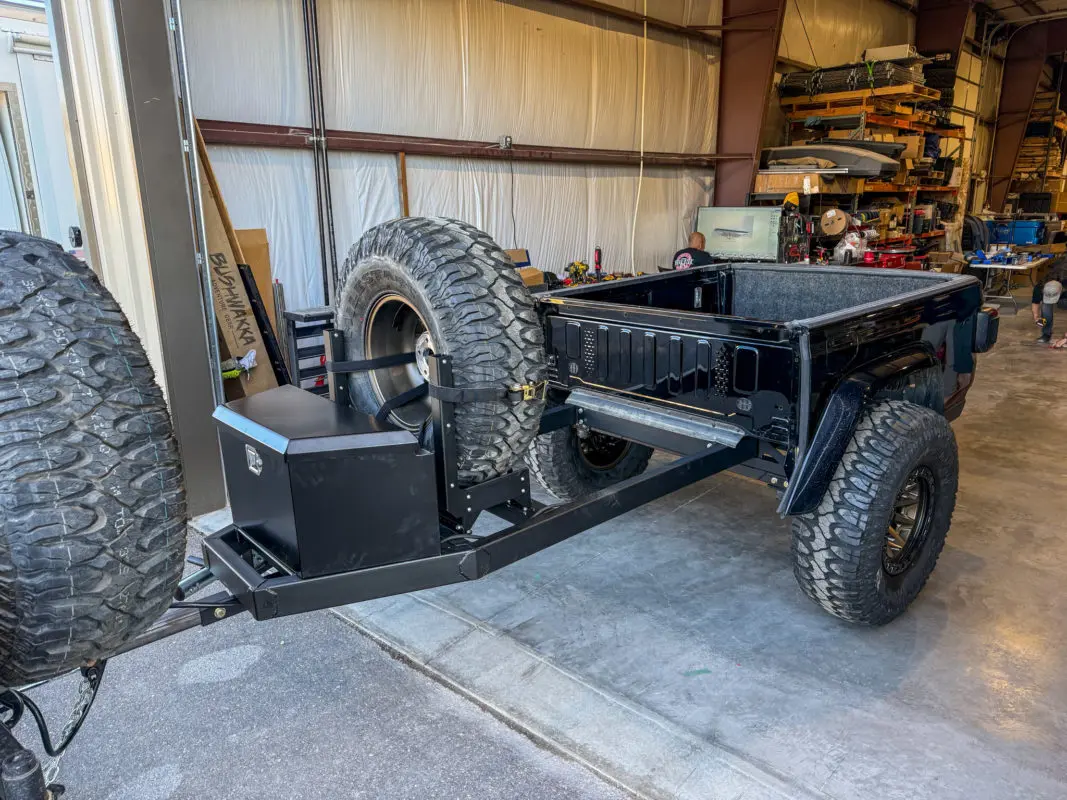
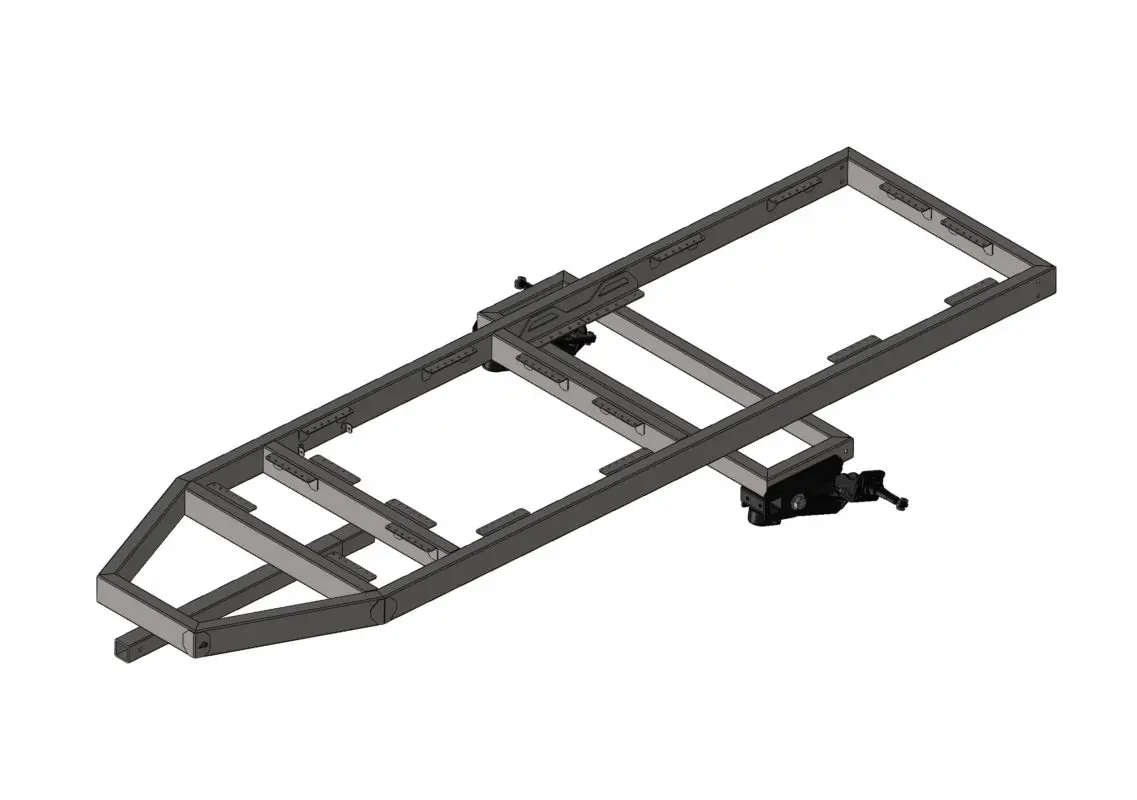
The latest evolution of the ATK chassis features a fully welded design, delivering unmatched stiffness and maximum flexibility for upgrades and customizations, making it the ultimate foundation for your adventure build. The assembled chassis shown in some of the older photos is only available upon request and will be priced higher due to the extra labor and components.Dimensions
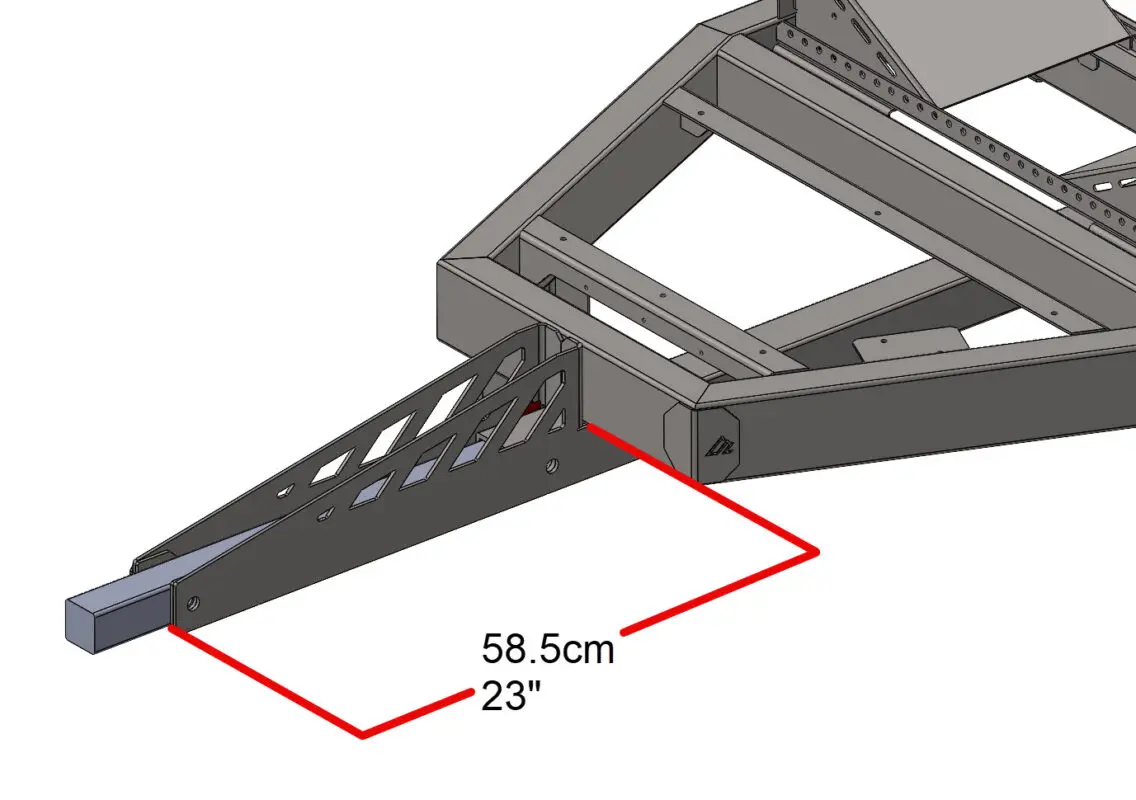
The Adventure Trailer Kit can be built out for many different missions, but the chassis will remain the same. Here are the dimensions for the main chassis. Optional components can affect the overall dimensions.
Trailer Registration by State
The ATK is sold as a kit and does not come with a VIN. You are responsible for registering your completed trailer and obtaining and affixing any required VIN or identification plate through your registration state's process.
Before you build, tell your motor vehicle office: āI'm assembling an American Adventure Lab trailer kit for personal use. The kit is supplied without a VIN. How should I classify it, and what do I need for a VIN, title and registration?ā States may use kit, assembled, homemade or specially constructed categories. Let the agency confirm the right one for your build.
Choose a state for its starting steps and official links. Scroll inside the guide for the checklist.
Select your registration state above. Keep the paperwork below as you build so you're ready when it's time to apply.
Alabama Registration Starting Point
Start with your county licensing office to confirm the trailer category. Alabama DOR directs homemade-trailer assigned-VIN applicants to MyDMV. Ask whether your build needs a state-assigned VIN or the utility-trailer process before marking the frame.
Official Guidance:
How to apply for an Alabama Assigned Vehicle Identification Number (VIN) to a homemade trailer - Alabama Department of Revenue (opens in a new tab)
Alaska Registration Starting Point
Keep invoices for major parts, obtain a weight slip, and arrange a DMV or law-enforcement inspection. The builder completes a notarized Homebuilt Trailer Affidavit. Submit it with ownership evidence and the title/registration application; DMV issues the trailer identification number.
Official Guidance:
RECONSTRUCTED OR HOMEBUILT VEHICLES, Division of Motor Vehicles, State of Alaska (opens in a new tab)
Arizona Registration Starting Point
Arizona has a separate kit-trailer category. Its policy calls for ownership documents, a Level I inspection, and an MCO or invoice for the kit. Tell MVD the kit has no supplied VIN and ask how its assigned-number procedure applies. Using a pickup frame or other manufactured vehicle parts can change the inspection required.
Official Guidance:
8.10.10 Trailer Title and Registration (opens in a new tab)
Arkansas Registration Starting Point
Contact Arkansas DFA Motor Vehicle or your local revenue office before applying. Ask for the process for a customer-assembled trailer kit with no VIN, including ownership evidence, identification-number assignment, inspection and weight documentation. The linked registration page does not provide a complete kit-trailer checklist.
Official Guidance:
Vehicle Tag Renewal ā Arkansas Department of Finance and Administration (opens in a new tab)
California Registration Starting Point
Start with DMV's specially constructed vehicle process. For a trailer built from a purchased kit, DMV accepts the kit MCO or a receipt/invoice identifying the purchased kit as ownership evidence. Ask DMV which construction forms, verification and VIN assignment appointments your no-VIN trailer requires.
Official Guidance:
Specially Constructed or Modified Vehicle Registration - California DMV (opens in a new tab)
Colorado Registration Starting Point
Colorado directs homemade trailer owners to checklist DR 2709 for an assigned VIN before titling. Arrange the required certified VIN inspection through the appropriate inspector. Keep your kit invoice and component receipts and ask the county office which construction and equipment-compliance documents apply.
Official Guidance:
Colorado DMV trailer guidance (opens in a new tab)
Connecticut Registration Starting Point
Connecticut requires homemade trailers to be inspected and assigned a VIN at a DMV Safety Inspection location. Bring receipts and proof of ownership for the parts. Confirm that the ATK kit qualifies for this category and ask about appointment and legal transport requirements before bringing it in.
Official Guidance:
Learn about homemade trailer classifications | CT.gov (opens in a new tab)
Delaware Registration Starting Point
Contact Delaware DMV inspection services to confirm the assembled-trailer inspection and assigned-serial-number process. Explain that the kit never had a VIN, and keep the kit invoice and component receipts. Ask which title forms, weight evidence and inspections apply before transporting the completed build.
Official Guidance:
Vehicle Services Titling - Division of Motor Vehicles (opens in a new tab)
District of Columbia Registration Starting Point
Contact DC DMV before applying. Explain that the completed trailer was assembled from a purchased kit and no VIN was supplied. Ask for the assigned-VIN and inspection process and the ownership documents DC will accept. The linked general registration guide does not establish a complete homemade-kit procedure.
Official Guidance:
Vehicle Registrations | dmv (opens in a new tab)
Florida Registration Starting Point
Start with your county tax collector. The homemade-trailer process depends on weight, and a certified weight slip is part of the published checklist. Heavier homemade trailers use an FLHSMV inspection process. Confirm the exact weight category, assigned identification number and title requirements for a kit build before applying.
Official Guidance:
Trailer Title & Registration | Hillsborough County Tax Collector (opens in a new tab)
Georgia Registration Starting Point
Submit a notarized T-23 Homemade Trailer Affidavit and supporting receipts to your county tag office. The county issues a serial plate and T-22C; follow its attachment instructions and have a Georgia law-enforcement officer certify the plate. Return the paperwork for registration. Georgia does not issue titles for homemade trailers.
Official Guidance:
Homemade Trailers and Serial Plates | Department of Revenue (opens in a new tab)
Hawaii Registration Starting Point
Trailer registration is handled by your county. Hawaii County publishes a homemade-trailer VIN, weighing and safety-check process. Confirm your own county's kit eligibility and sequence before starting; a county's scratch-built trailer instructions may not apply to a purchased kit.
Official Guidance:
Trailer Registration | Hawaii County, HI Vehicle Registration & Licensing (opens in a new tab)
Idaho Registration Starting Point
Start with your county motor vehicle office and explain that this is a customer-assembled kit with no VIN. Ask about an Idaho assigned VIN and any motor vehicle investigator inspection. Keep your kit invoice and receipts for major components; confirm the trailer classification, title paperwork and weight documentation with the office.
Official Guidance:
Vehicle Registrations | Idaho Transportation Department (opens in a new tab)
Illinois Registration Starting Point
Review Affirmation for Homemade Trailer (VSD 314) and Homemade Trailer Statement of Construction (VSD 797). The state requires an inspection by Secretary of State Police; heavier homemade trailers can require an additional IDOT inspection. Keep construction receipts and photos from all four sides and confirm kit classification before submitting.
Official Guidance:
Title and Registration Publications and Forms (opens in a new tab)
Indiana Registration Starting Point
Use the BMV Special Identification Number (MVIN) application packet when no VIN exists. For trailers the packet requires Trailer Ownership Affidavit, State Form 43753. Follow the packet's inspection and supporting-document instructions and obtain the assigned number before applying for title/registration.
Official Guidance:
Special ID Number MVIN Vehicle Application Packet (opens in a new tab)
Iowa Registration Starting Point
Start with the county treasurer and document the completed trailer's empty weight. Iowa DOT requires inspection for homemade trailers over 2,000 pounds unloaded, with ownership evidence for essential parts; an Iowa VIN is affixed and stamped. Ask the treasurer about the small-trailer registration process if your build falls below that threshold.
Official Guidance:
Vehicle Inspections for Titling | Department of Transportation (opens in a new tab)
Kansas Registration Starting Point
Call a Kansas Highway Patrol MVE/VIN inspection station before making the trip. KHP says homemade-trailer documents vary with who built it, weight/size and intended use. Describe your customer-assembled kit accurately and ask about inspection, VIN and county-treasurer requirements. Purchasing a completed homemade trailer can have a different ownership process.
Official Guidance:
FAQs | Kansas Highway Patrol, KS (opens in a new tab)
Kentucky Registration Starting Point
Review Application for Vehicle or Trailer Identification Number (TC 96-169). For a homemade trailer it calls for copies of parts receipts and a notarized statement explaining where the parts originated. Confirm kit eligibility and the remaining inspection/title steps with your county clerk or Transportation Cabinet before applying.
Official Guidance:
Microsoft Word - TC 96-169 (opens in a new tab)
Louisiana Registration Starting Point
OMV publishes separate policies for Unassembled Trailer Kits (29.00) and Homemade/Shopbuilt Trailers (107.00). Ask OMV which applies to the ATK without a supplied VIN, then confirm State Police serial-number inspection and required ownership documents. Keep the kit invoice and component receipts.
Official Guidance:
Vehicle Registration Requirements - Louisiana Office of Motor Vehicles (opens in a new tab)
Maine Registration Starting Point
Start with your municipal registration office or BMV Registration Section. Maine's trailer page explains registration and weight-based title requirements, but does not provide a complete no-VIN kit checklist. Ask how to obtain an assigned VIN and which construction evidence and inspection apply to your build.
Official Guidance:
Register a Trailer | SOS (opens in a new tab)
Maryland Registration Starting Point
Review MVA's Homemade Trailer instructions. Prepare parts receipts, photographs and a construction/value statement, and ask MVA about the assigned VIN and title application. Confirm eligibility for a purchased kit and any inspection required for the completed trailer category.
Official Guidance:
Homemade Trailer (opens in a new tab)
Massachusetts Registration Starting Point
RMV's Massachusetts-assigned VIN process includes homemade trailers with a gross vehicle weight rating over 3,000 pounds. Confirm your trailer category and weight with RMV, then ask whether that process or the lighter-trailer registration procedure applies. Keep receipts and build documentation before requesting an inspection.
Official Guidance:
Apply for a replacement Massachusetts-assigned Vehicle Identification Number (VIN) | Mass.gov (opens in a new tab)
Michigan Registration Starting Point
Use the Secretary of State assembled-trailer guidance. Prepare ownership evidence and weight documentation, and follow the inspection process. The state says an assembled trailer receives a new VIN after passing final inspection and can then be registered. Confirm whether your build also requires a title.
Official Guidance:
Recreational vehicles and watercraft (opens in a new tab)
Minnesota Registration Starting Point
Start with a DVS deputy registrar and request the Homemade Trailer Construction form. County guidance calls for four photos, one from each side. Ask how your kit's VIN will be assigned and which title/registration category applies to its completed weight and use.
Official Guidance:
Department of Motor Vehicles ā Lake of the Woods County (opens in a new tab)
Mississippi Registration Starting Point
Review DOR Form 78-018, Application for Homemade Trailer VIN. Its instructions call for photos of all four sides and Department of Public Safety VIN verification (MVCT-59). Follow the assigned-plate instructions, then work with your county tax collector on title and registration. Confirm kit eligibility first.
Official Guidance:
Application for Homemade Trailer VIN | Mississippi Department of Revenue (opens in a new tab)
Missouri Registration Starting Point
All homemade trailers must be inspected by the county sheriff or authorized Missouri State Highway Patrol personnel. Use DOR's homemade-trailer checklist and ask about Form 5062 for the identification-number plate. Keep construction receipts and complete the required inspection before the title application.
Official Guidance:
Titling and Registration of Trailers (opens in a new tab)
Montana Registration Starting Point
Contact your county treasurer about a customer-assembled kit without a VIN. MVD lists a Certificate of Trailer Number Assignment and a Request for State Assigned VIN among its forms. Ask which form and inspection apply to your trailer, and bring receipts and construction details.
Official Guidance:
Forms & Manuals: Vehicle Title & Registration ā MT Motor Vehicle Division (opens in a new tab)
Nebraska Registration Starting Point
Nebraska DMV issues assigned identification numbers for homemade trailers. Follow the Assigned ID Number application and sheriff's inspection requirements. Approved plates arrive with placement instructions and an affidavit. Confirm the completed trailer's title/registration category with your county office.
Official Guidance:
Assigned ID Number | Nebraska Department of Motor Vehicles (opens in a new tab)
Nevada Registration Starting Point
Nevada requires trailers you assemble or build to be inspected before title and registration. Review Trailer Equipment Requirements and Construction Affidavit VP 223 before building. Ask DMV how to arrange inspection and VIN assignment for a kit with no supplied number.
Official Guidance:
Nevada DMV trailer guidance (opens in a new tab)
New Hampshire Registration Starting Point
Start with your town/city clerk. New Hampshire's title handbook uses different no-VIN trailer procedures by gross weight: lighter trailers use VIN verification and an NHTR number, while heavier homemade trailers require State Police inspection and title paperwork. Confirm the current forms and threshold with the clerk before scheduling.
Official Guidance:
State of New Hampshire (opens in a new tab)
New Jersey Registration Starting Point
MVC has a homemade-trailer checklist with construction details, parts information, photos and weight documentation. Registration and title requirements depend on unladen weight. Explain that your kit has no VIN and confirm how MVC assigns an identification number and which application packet applies before filing.
Official Guidance:
NJ MVC | Trailers, House Semi-trailers and Private Utilities (opens in a new tab)
New Mexico Registration Starting Point
Review MVD's homemade-trailer process after the trailer is completely assembled. Ask about the construction/ownership affidavit and New Mexico assigned identification number. Follow MVD's instructions for permanently marking the number and returning for visual inspection; retain all parts receipts.
Official Guidance:
Chapter 13 ā Trailer | Motor Vehicle Division NM (opens in a new tab)
New York Registration Starting Point
Use DMV form VS-105, Registration and Title for Custom Trailers. Obtain a weight slip and follow its equipment requirements. VIN procedures differ by unladen weight; the lighter-trailer path uses MV-272, while heavier builds require a different assigned-VIN process. Confirm the applicable path before applying or attaching a number.
Official Guidance:
Registration & Title for Custom (Homemade) Trailers (opens in a new tab)
North Carolina Registration Starting Point
The NCDMV title manual describes MVR-15 and an assigned NCX identification number for homemade trailers. Contact NCDMV or the State Highway Patrol investigative unit about inspection and kit classification. Keep the kit invoice, component receipts and construction details and follow agency instructions for marking the assigned number.
Official Guidance:
Title Manual Revised 2026 (opens in a new tab)
North Dakota Registration Starting Point
Use NDDOT's Homemade Trailer VIN packet. Start with SFN 60467, Application for North Dakota Assigned VIN, and provide details of who built it, when and how it was built, and how you obtained it. Follow the packet for ownership evidence, inspection and subsequent title/registration.
Official Guidance:
Homemade Trailer:Applying For a VIN to obtain title and registration (opens in a new tab)
Ohio Registration Starting Point
Start with a deputy registrar and explain the completed trailer's weight and kit construction. BMV lists official weight evidence for trailer registration. Ask whether your build requires a title and State Highway Patrol inspection or an assigned identification number before filing; the linked general registration page is not a complete no-VIN kit checklist.
Official Guidance:
Ohio BMV (opens in a new tab)
Oklahoma Registration Starting Point
Service Oklahoma says noncommercial utility, boat and farm trailers cannot be titled, with optional registration. Confirm whether your finished ATK qualifies for that category or is treated as a travel trailer. Ask a licensed operator about no-VIN identification and documentation for your intended use and interstate travel.
Official Guidance:
Vehicle Titles (opens in a new tab)
Oregon Registration Starting Point
Review Assembled Trailer Certification, form 735-6644. For an owner-built trailer it calls for receipts or bills of sale for the frame and axle. Submit the required title application and fees when applicable; DMV assigns a VIN if none exists. Confirm your trailer category and any weight-based exemption first.
Official Guidance:
735-6644 (opens in a new tab)
Pennsylvania Registration Starting Point
PennDOT's specially constructed vehicle process covers kit-built vehicles and homemade trailers. Review its fact sheet before arranging an enhanced safety inspection. Keep ownership evidence and construction records; ask an authorized agent/inspection station about the application package, photos and VIN assignment for your build.
Official Guidance:
Specially Constructed Vehicle Titling (opens in a new tab)
Rhode Island Registration Starting Point
Use DMV's homemade-trailer checklist: registration application, Homemade Trailer Affidavit, the applicable tax form, and insurance information for the tow vehicle. Rhode Island does not title homemade trailers. Ask DMV how a no-VIN purchased kit is classified and identified before submitting.
Official Guidance:
Trailer Registration | RI Division of Motor Vehicles (opens in a new tab)
South Carolina Registration Starting Point
Confirm whether your build is a utility trailer or camper, since registration requirements differ. SCDMV lists TI-021A and TI-021B when no previous title exists, plus PL-010A for a trailer plate. Ask the Specialized Titles unit about a kit without a VIN and assigned serial number requirements.
Official Guidance:
Camper, Trailer, or RV | SCDMV (opens in a new tab)
South Dakota Registration Starting Point
Start with your county treasurer. Homemade trailers of 3,000 pounds or less may request an assigned serial number there; those exceeding 3,000 pounds go through the rebuilt application and inspection process. Confirm the weight measurement, kit classification and supporting documents with the treasurer.
Official Guidance:
Trailers | South Dakota Department of Revenue (opens in a new tab)
Tennessee Registration Starting Point
Review the Department of Safety homemade-trailer application and equipment requirements. The published process includes VIN assignment and a scheduled inspection after the application is processed. Confirm your kit category and whether title/registration is required for its intended use with Safety and your county clerk.
Official Guidance:
Tennessee Department of Safety trailer inspection FAQ (opens in a new tab)
Texas Registration Starting Point
Start with TxDMV and your county tax assessor-collector. Newly assembled trailers need a VIN. When none exists, TxDMV requires a law-enforcement identification inspection (VTR-68-A) and an assigned-number notice (VTR-68-N). Review VTR-141 and Form 130-U; title requirements depend on gross weight. Confirm the current assembled-trailer path before applying.
Official Guidance:
TxDMV trailer registration and VIN requirements (opens in a new tab)
TxDMV VIN Assignment Process (opens in a new tab)
Utah Registration Starting Point
Start with Utah DMV and describe the kit as customer assembled with no supplied VIN. The trailer page lists TC-656 for title/registration and TC-661 for VIN inspection; weight and use affect exemptions. Ask DMV how an assigned identification number is obtained for this build and whether any exemption applies before filing.
Official Guidance:
Utah DMV trailer guidance (opens in a new tab)
Vermont Registration Starting Point
Review VT-003, Application for Assignment of VIN/HIN. For a homemade build it requests component ownership evidence and completed-build photos. The form says that if a title is required, do not submit the title/registration application before receiving the VIN. Confirm the kit category and inspection steps with DMV.
Official Guidance:
Application for Assignment of VIN/HIN (opens in a new tab)
Virginia Registration Starting Point
Use DMV's homemade-trailer VIN plate process and VSA 22. Once the plate is issued, follow its installation instructions and arrange the required law-enforcement verification before completing title and registration. Confirm that the purchased kit qualifies under the homemade/kit-trailer policy before applying.
Official Guidance:
Get a Homemade Trailer VIN Plate | Virginia Department of Motor Vehicles (opens in a new tab)
Washington Registration Starting Point
Start with a vehicle licensing office to confirm the documents and referral needed, then arrange a Washington State Patrol VIN inspection. WSP inspects homemade trailers and verifies major components. Keep original receipts and ownership evidence, and follow the licensing office's instructions for title/registration after inspection.
Official Guidance:
Schedule a VIN Inspection - Washington State Patrol (opens in a new tab)
West Virginia Registration Starting Point
West Virginia's general guidance requires trailers operated on highways to be titled and registered. Contact DMV before applying for a customer-assembled kit with no VIN. Ask for the assigned-VIN procedure, ownership affidavit, weight evidence and inspection checklist; the linked page is general registration guidance.
Official Guidance:
Registrations | WV Division of Motor Vehicles (opens in a new tab)
Wisconsin Registration Starting Point
Submit MV1 with a written construction/acquisition statement, receipts or invoices, photos of all four sides including the hitch, and applicable fees to WisDOT's Vehicle Research Unit. Confirm classification and assigned VIN instructions. The homemade-trailer page explains the exemption for trailers with combined trailer-and-load weight below 3,000 pounds.
Official Guidance:
Wisconsin Department of Transportation Homemade trailer (opens in a new tab)
Wyoming Registration Starting Point
Apply to WYDOT Motor Vehicle Services for a state-assigned VIN for a homemade trailer without one. After assignment, law enforcement verifies that the VIN is properly affixed before a title is issued. Work with your county clerk/treasurer on ownership evidence, title and registration.
Official Guidance:
Register Boats, Snowmobiles & Trailers | Natrona County, WY (opens in a new tab)
Keep a Build Paperwork Folder
- Your ATK purchase invoice and receipts or bills of sale for major components, including the frame/chassis, axle and any donor parts.
- Photos during assembly and of the finished trailer from the front, rear and both sides, including the hitch.
- A brief construction record: who built it, when it was completed, which parts were used and their costs.
- Completed trailer dimensions, empty weight and component ratings. Ask whether a certified scale ticket is required. Empty weight, loaded weight and GVWR are different measurements.
- Your state's application, construction affidavit, assigned-VIN paperwork and any inspection results. Ask which documents must be original or notarized.
Confirm Before Your Appointment
- Does your finished configuration count as a utility trailer or camping/travel trailer? Camping equipment can affect classification.
- Who assigns the identification number, who attaches it, and does inspection happen before or after assignment? Follow the agency's instructions before stamping or attaching a number.
- Which lights, reflectors, safety chains, brakes and breakaway equipment are required for your trailer's weight and use?
- How can you legally transport the unregistered trailer to inspection? Ask about a temporary permit or hauling it.
- Are a title, registration, tax payment, insurance evidence or additional county documents required? Confirm current fees with the office.
Before You Buy or Build: Confirm that your registration office will accept a customer-assembled kit supplied without a VIN and what ownership documents it requires. If it asks for manufacturer paperwork you do not have, contact us before proceeding.
Research checked November 10, 2026. This guide provides starting points, not a registration guarantee or a substitute for agency instructions. Requirements depend on the finished build, weight, use and local office. Follow the current official guidance linked for your state.


Reviews
There are no reviews yet.