
Latest News
From Ranger6G Feedback to Fleet Trucks: The Ford Ranger Rear Seat Delete Story
The best product launches usually do not start with a polished product photo. They start with a problem, a few people willing to test ideas, and a truck that needs to work harder than it did from the factory.
Our Ford Ranger Rear Seat Delete started exactly that way. Before the first production units ever shipped, we were working through the concept with Ranger owners on Ranger6G, asking what they needed from the second-row area of a crew cab Ranger and what would make a rear seat delete actually useful in the real world.
That feedback helped shape the platform: a flat cargo surface, access doors for the factory cubbies and OEM jack, plenty of mounting points, a tough aluminum structure, and a design that could work for overland builds, dogs, daily gear, and actual service trucks.
Developed With the Ranger6G Community
We did not want to build a rear seat delete in isolation and hope it matched what Ranger owners actually needed. Early in the process, we opened up the conversation with the Ranger6G community through our Ranger Rear Seat Delete R&D thread.
That discussion gave us a direct look at how people wanted to use the back seat area. Some needed space for dogs. Some wanted room for recovery gear, tools, camp equipment, or camera cases. Others cared about retaining access to the factory storage compartments instead of permanently burying them under a flat panel.
Those conversations mattered. The final product is not just a sheet of aluminum where the seats used to be. It is a finished platform with removable access doors, tie-down and mounting points, compatibility with factory storage, and a structure designed to live in a truck that gets used.
When it was time to launch, we followed up with the community in our Ranger6G product launch thread. That gave the same group that helped shape the idea a first look at the production version.
First Production Install: Colorado Fleet Trucks
The first two production Ford Ranger Rear Seat Deletes did not go into a show truck. They went straight into working fleet trucks.
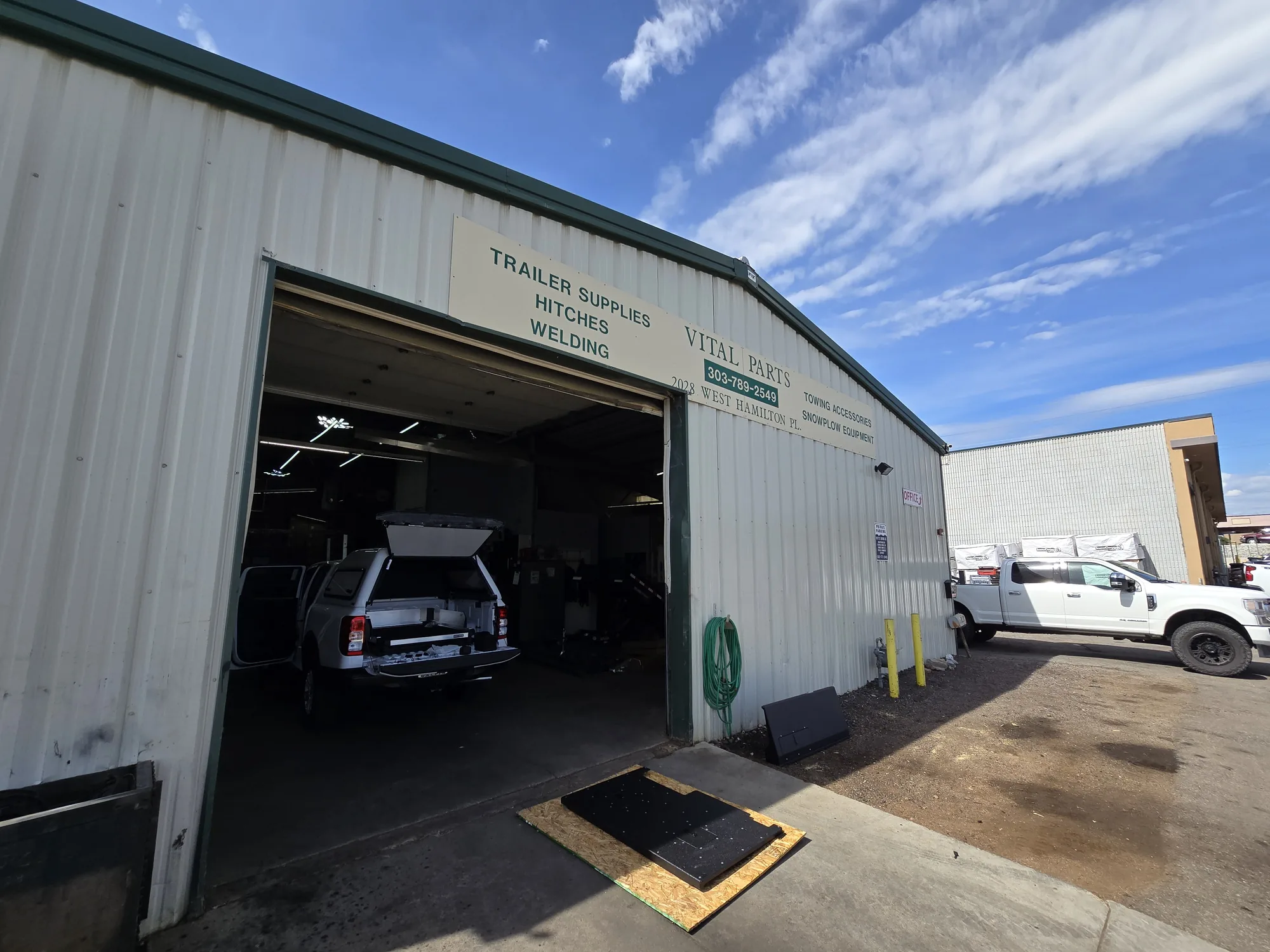
We loaded them up and drove to Colorado, where Vital Fleet was preparing Ranger-based pest control trucks for real service use. That made it a perfect first production install. These trucks needed the rear of the cab to carry equipment, tools, and daily-use gear without wasting space or turning the back seat into a pile of loose cargo.
For a service fleet, the second row of a crew cab truck is often underused. The seats take up space, but the truck may rarely carry passengers. Removing the rear seat and replacing it with a durable storage platform turns that area into something far more useful.

Built for Work Trucks, Useful EverywhereThe fleet install was a good test because work trucks are not gentle. They get loaded, unloaded, cleaned, reorganized, and used every day. That environment validates details that matter outside of fleet use too. The platform is built from 5052 aluminum with a steel support structure, giving it the strength needed for heavy gear while keeping the setup practical inside the cab. The surface is easy to clean, and the flat layout makes it easier to organize tool bags, recovery equipment, dog gear, camera cases, camp supplies, or anything else that benefits from a stable interior cargo area. For Ranger and Ranger Raptor owners building an overland truck, the same features carry over. You get a strong second-row platform without giving up access to the storage compartments and cubbies already built into the truck. |
Access Doors and Factory Storage
One of the big priorities from the beginning was access. A rear seat delete should not make the truck less useful by covering up factory storage. The Ranger platform has useful cubbies and the OEM jack location under the rear seat area, so the platform includes access doors that let you get back into those spaces when needed.

Closed access doors keep the platform clean and flat for cargo. |

Open the access doors to reach factory storage compartments below the platform. |
From Community Feedback to Production Parts
That Colorado install was a fun milestone because it tied the whole process together. The product started with owner feedback, went through R&D, moved into production, and then immediately went into trucks that had a job to do.
That is exactly the kind of product development we like: listen to the community, build the part properly, then prove it in the field.
You can see the finished product here: Ford Ranger Rear Seat Delete. You can also see how we use it in our own shop-owned Ranger Raptor on the AAL Ford Ranger Raptor build page.
