
Built by Unreasonable People
“The reasonable man adapts himself to the world; the unreasonable one persists in trying to adapt the world to himself. Therefore all progress depends on the unreasonable man.”
George Bernard Shaw
Read more on Wikipedia.
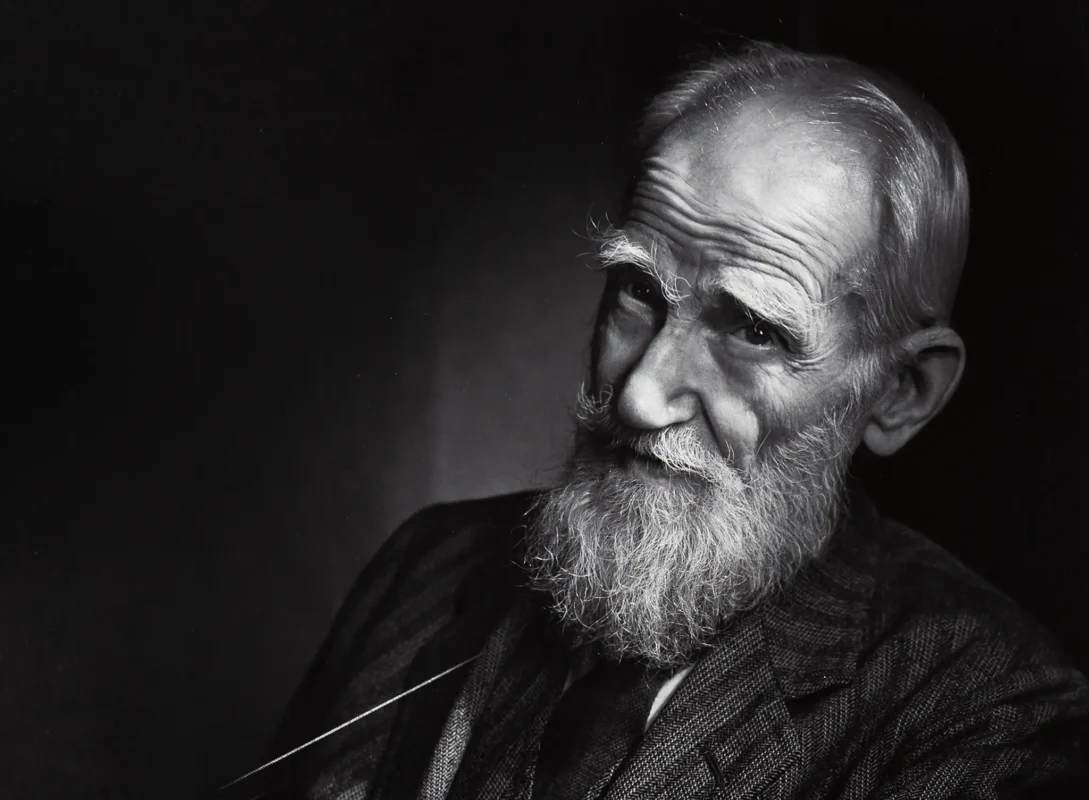
“The reasonable man adapts himself to the world; the unreasonable one persists in trying to adapt the world to himself. Therefore all progress depends on the unreasonable man.”
George Bernard Shaw
Read more on Wikipedia.
Progress has never come from quietly accepting things as they are.
It comes from people who look at accepted limitations and decide they are not acceptable at all. People who question why something must be heavy, complicated, fragile, disposable, or compromised. People who are willing to be labeled difficult, obsessive, or unreasonable in the pursuit of doing it better.
At American Adventure Lab, we embrace that label.
We believe progress depends on the unreasonable.
Being unreasonable is not about being reckless. It is about being deliberate.
It means refusing shortcuts even when they are cheaper, faster, or more common. It means spending time where others do not. It means caring deeply about details that may never be noticed by most, but are felt every time something is used.
Unreasonable design starts with asking harder questions:
Why should strength require excess weight?
Why should modularity come at the cost of rigidity?
Why should precision be optional?
Why should quality fade with time instead of improving through use?
If there is no good answer, we do not accept the premise.


Materials are never just materials.
They are decisions. They reflect priorities. They reveal whether something was designed to impress briefly or endure relentlessly.
We choose materials for how they behave over years, not minutes. For how they respond to vibration, load, weather, and repetition. For how they age. For how they fail, or more importantly, how they refuse to.
This insistence often makes things harder. It adds complexity. It demands tighter tolerances and better processes.
That is exactly the point.
Anyone can claim quality. Few are willing to prove it at the smallest scale.
Details are where philosophy stops being theoretical and becomes physical. They are where intention shows itself. They are where unreasonable effort quietly accumulates.
Edges that are finished when they could have been ignored. Interfaces that are designed to feel obvious instead of improvised. Systems that align naturally because someone cared enough to make them do so.
These choices are not made for marketing. They are made because someone will notice. Even if they never say a word.
Trends move quickly. Progress does not.
Much of the industry optimizes for what sells fastest, not what works best. For what photographs well, not what holds up. For what is easy to explain, not what is right.
We are comfortable saying no.
No to designs that prioritize novelty over function.
No to solutions that lock users into one way of thinking.
No to compromises disguised as innovation.
True innovation often looks stubborn at first. It takes longer. It asks more of everyone involved. It resists simplification until the result is actually simpler.
This philosophy does not end with a finished design. It extends into what comes after.
Systems should anticipate change. They should adapt without being replaced. They should reward long-term ownership instead of forcing reinvention.
Progress is not a single leap. It is a series of deliberate, unreasonable steps taken consistently over time.
We build with the expectation that what we create today must still make sense tomorrow.
Because acceptance does not move the world forward.
Because compromise rarely leads to excellence.
Because progress demands friction.
Because the things worth building deserve more than average effort.
Being unreasonable is not a flaw to be corrected. It is a discipline to be practiced.

This is how progress happens,
and it is how we build.